
In industrial material handling systems, the reliability of small components often determines the overall efficiency and safety of the entire setup. Among these components, DIN 15237 elevator bolts play a crucial role in ensuring that bucket elevator systems operate smoothly and securely.
These specialized bolts are commonly used in conveyor belts and bucket elevators where heavy materials such as grains, minerals, cement, and aggregates need to be transported efficiently. Their unique head design and strong fastening capability make them ideal for applications where durability and stability are essential.
Manufacturers and suppliers involved in industrial fasteners and elevator components—such as R‑E Industries—often provide DIN 15237 bolts designed to meet strict engineering standards and demanding industrial environments.
This guide explains the dimensions, specifications, advantages, and industrial applications of DIN 15237 elevator bolts, helping engineers, procurement teams, and maintenance professionals better understand their importance in material handling systems.
What Is a DIN 15237 Elevator Bolt?
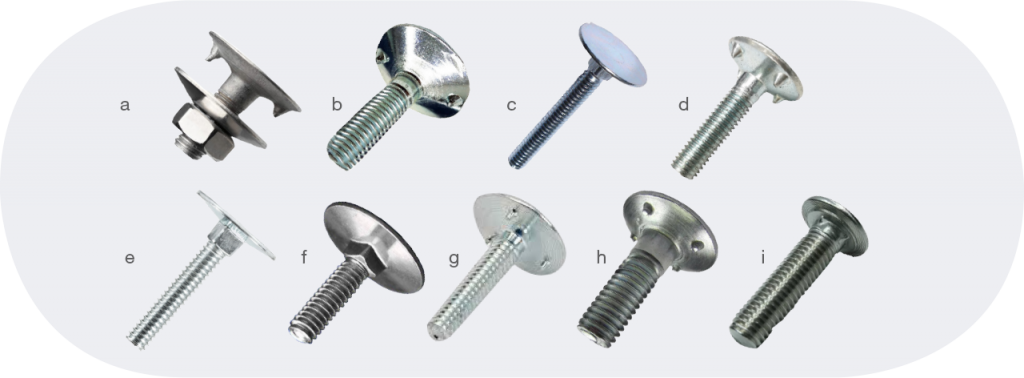
A DIN 15237 elevator bolt is a specialized fastener designed for attaching elevator buckets to conveyor belts in bucket elevator systems. These bolts are manufactured according to DIN standards, ensuring uniform dimensions and performance across different industrial applications.
The most distinctive feature of this bolt is its large, flat head, which allows it to sit flush against the belt surface. This design helps protect the belt from excessive wear while maintaining strong and secure fastening.
Key Characteristics
DIN 15237 bolts typically include the following features:
- Large flat head for smooth belt operation
- High mechanical strength
- Designed for bucket elevator applications
- Available in different sizes and lengths
- Resistant to vibration and heavy loads
Because bucket elevators operate continuously in demanding environments, the use of standardized bolts like DIN 15237 ensures consistent performance and safety.
DIN 15237 Bolt Dimensions
Selecting the correct bolt dimensions is essential for proper installation and long-term performance. DIN 15237 bolts are available in a range of sizes to match different belt thicknesses and bucket configurations.
Common Bolt Sizes
Typical metric sizes include:
- M6
- M8
- M10
- M12
- M16
The bolt length varies depending on the thickness of the elevator belt and the size of the bucket being attached.
Head Design and Function
One of the defining characteristics of DIN 15237 bolts is the wide, flat head. This design serves several practical purposes:
- Distributes pressure evenly across the belt
- Prevents bolt heads from pulling through the belt
- Reduces belt wear during operation
- Ensures smooth movement of bulk materials
Because of this design, the bolt head remains flush with the belt surface, preventing obstruction when materials move through the system.
DIN 15237 Bolt Specifications
Understanding the specifications of DIN 15237 bolts helps ensure that the correct fastener is selected for the application.
Thread Type
DIN 15237 bolts typically use metric threads, which are widely used in industrial machinery and equipment worldwide.
Materials
These bolts are commonly manufactured from materials such as:
- High-strength carbon steel
- Stainless steel for corrosion resistance
The choice of material depends on the operating environment and load requirements.
Surface Coating
To improve durability and resistance to corrosion, DIN 15237 bolts may be available with different surface finishes, including:
- Zinc plating
- Hot-dip galvanizing
- Stainless steel finish
These coatings protect the bolts from moisture, dust, and chemical exposure often found in industrial environments.
Nut and Washer Compatibility
DIN 15237 bolts are typically used with:
- Hex nuts
- Lock nuts
- Washers for additional load distribution
Proper compatibility ensures that the fastening system remains secure even under continuous vibration.
Applications of DIN 15237 Elevator Bolts
DIN 15237 bolts are widely used in industries that rely on bulk material handling systems. Their specialized design makes them particularly suitable for bucket elevators.
1. Bucket Elevator Systems
The primary application of DIN 15237 bolts is attaching elevator buckets to conveyor belts. These systems transport materials vertically and are commonly used in industrial processing plants.
2. Agricultural and Grain Handling
Grain elevators require durable fastening solutions to handle continuous operation. DIN 15237 bolts are commonly used in:
- Grain storage facilities
- Flour mills
- Feed processing plants
Their design ensures reliable bucket attachment even during long operational cycles.
3. Mining and Cement Plants
Industries such as mining and cement production handle abrasive materials like:
- Limestone
- Coal
- Sand
- Cement clinker
Bucket elevators in these facilities rely on strong bolts capable of withstanding heavy loads and harsh conditions.
4. Food Processing Industry
In food processing environments, bucket elevators are used to move ingredients such as sugar, grains, and seeds. Stainless steel DIN 15237 bolts are often used in these systems to maintain hygiene and corrosion resistance.
Companies specializing in industrial fasteners and material handling components—such as R‑E Industries—play a role in supplying reliable bolts suitable for these demanding applications.
Advantages of DIN 15237 Elevator Bolts
Using standardized DIN 15237 bolts offers several benefits for industrial operations.
Strong and Secure Fastening
These bolts provide a reliable connection between buckets and conveyor belts, reducing the risk of component failure.
Reduced Belt Wear
The flat head distributes pressure evenly across the belt, minimizing stress and prolonging belt life.
High Load Capacity
DIN 15237 bolts are designed to withstand heavy loads and continuous mechanical stress.
Easy Installation
Installation is relatively simple and can be performed using standard tools commonly available in industrial maintenance workshops.
Corrosion Protection
Protective coatings and stainless steel options make these bolts suitable for harsh industrial environments.
Installation Tips for DIN 15237 Bolts
Proper installation is essential for maintaining system efficiency and preventing equipment damage.
Best Practices
Choose the correct bolt length
The bolt must match the combined thickness of the belt and bucket.
Use proper tightening torque
Over-tightening can damage the belt, while under-tightening may cause the bolt to loosen.
Use locking components
Lock nuts or washers help prevent loosening caused by vibration.
Inspect components before installation
Ensure that bolts, nuts, and washers are free from defects.
Schedule routine inspections
Regular maintenance helps identify potential issues before they lead to equipment failure.
Maintenance and Inspection
Routine inspection helps extend the lifespan of both the bolts and the bucket elevator system.
Maintenance Checklist
Maintenance teams should regularly:
- Check bolt heads for wear
- Inspect nuts for loosening
- Look for signs of corrosion
- Replace damaged or worn bolts immediately
Preventive maintenance ensures safe operation and reduces the risk of costly downtime.
Conclusion
DIN 15237 elevator bolts are an essential component in bucket elevator systems used across multiple industries. Their standardized design, strong construction, and wide head structure ensure reliable fastening while protecting conveyor belts from excessive wear.
Understanding the dimensions, specifications, and applications of these bolts helps engineers and maintenance professionals select the right fasteners for their systems. Regular inspection and proper installation also contribute to improved equipment reliability and longer service life.
As industrial material handling continues to evolve, reliable components like DIN 15237 bolts—supported by manufacturers and suppliers such as R‑E Industries—remain critical for maintaining safe and efficient operations.
Frequently Asked Questions
What is the purpose of a DIN 15237 bolt?
DIN 15237 bolts are designed to securely attach elevator buckets to conveyor belts in bucket elevator systems used for bulk material handling.
What materials are DIN 15237 bolts made from?
They are commonly manufactured from carbon steel or stainless steel, often with protective coatings such as zinc plating or galvanization.
Why do DIN 15237 bolts have a large flat head?
The large head distributes pressure evenly across the belt surface, preventing belt damage and improving fastening strength.
Where are DIN 15237 bolts used?
They are widely used in industries such as agriculture, mining, cement production, and food processing.