
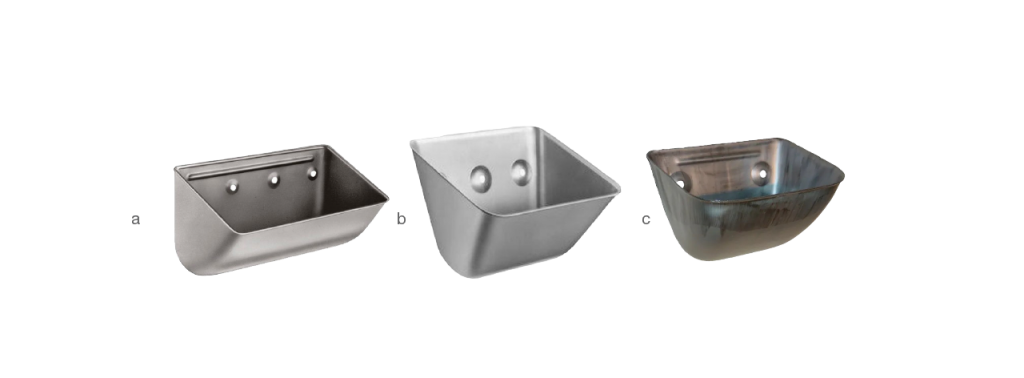
Efficient material handling is essential for industries that deal with bulk materials such as grains, minerals, cement, and fertilizers. One of the most reliable solutions for vertical transportation is the bucket elevator system. A key component of this system is the elevator bucket, commonly known in French as Les godets d’élévateurs.
Les godets d’élévateurs are specially designed buckets attached to belts or chains in bucket elevators to lift and transport bulk materials vertically. These components are widely used in agriculture, mining, cement production, and food processing industries because they offer high efficiency, low material loss, and reliable operation.
Understanding how these elevator buckets work, their types, materials, and applications can help businesses choose the right solution for improving industrial productivity.
What Are Les godets d’élévateurs?
Les godets d’élévateurs are buckets used in bucket elevator systems to transport bulk materials vertically. They are attached to belts or chains and scoop materials at the bottom of the elevator before lifting them to a discharge point at the top. These buckets are widely used in industries such as agriculture, mining, cement production, and food processing.
These buckets are carefully designed to ensure maximum capacity, minimal material loss, and smooth operation.
How Bucket Elevator Buckets Work
The working principle of bucket elevators is simple but highly efficient.
- Material Loading
At the bottom of the elevator, the buckets scoop material from the inlet section. - Vertical Transportation
The belt or chain lifts the buckets vertically along the elevator casing. - Material Discharge
When the buckets reach the top pulley, the material is discharged through centrifugal force or gravity. - Return Cycle
The empty buckets travel back down to the loading section to repeat the cycle.
Because of this continuous movement, systems using Les godets d’élévateurs can handle large quantities of material with minimal manual intervention.
Types of Les godets d’élévateurs
Different industries require different bucket designs. The most common types include:
1. Deep Buckets
Deep buckets are designed for materials that are free-flowing, such as grains or sand. Their deeper shape allows them to carry larger volumes of material.
These buckets are commonly used in agriculture, food processing plants, and grain storage facilities.
2. Shallow Buckets
Shallow buckets are used for materials that may stick or clump together. The reduced depth helps prevent buildup and ensures smooth discharge.
Industries handling wet or sticky materials often prefer this type.
3. Heavy-Duty Buckets
Heavy-duty buckets are built for industries like mining and cement production where materials are dense and abrasive. These buckets are reinforced to withstand harsh conditions and heavy loads.
4. High-Efficiency Buckets
Modern bucket designs focus on maximizing capacity while reducing energy consumption. High-efficiency designs allow industries to transport more material with fewer buckets.
Many modern Les godets d’élévateurs fall into this category due to improved engineering and material design.
Materials Used in Manufacturing Elevator Buckets
The performance and durability of elevator buckets largely depend on the materials used during manufacturing. Common materials include:
Steel
Steel buckets are strong and durable, making them ideal for heavy industries such as cement, mining, and fertilizer plants. They can withstand high temperatures and abrasive materials.
Stainless Steel
Stainless steel buckets are used in industries where hygiene is important, such as food processing and pharmaceuticals. They resist corrosion and are easy to clean.
Plastic (HDPE, Nylon, Polyurethane)
Plastic buckets are lightweight and corrosion-resistant. They are widely used in agricultural and food industries where contamination must be minimized.
Plastic Les godets d’élévateurs are also quieter during operation compared to metal buckets.
Key Benefits of Using Les godets d’élévateurs
Industries choose bucket elevators for several reasons. Here are some of the most important advantages:
High Material Handling Efficiency
Bucket elevators can transport large volumes of material vertically with minimal energy consumption. This makes them highly efficient compared to many other conveying systems.
Reduced Material Loss
Properly designed buckets ensure minimal spillage during transportation. This helps maintain product quality and reduces waste.
Low Maintenance
Modern bucket designs are durable and require less frequent maintenance. This reduces downtime and operational costs.
Versatility
One of the biggest advantages of Les godets d’élévateurs is their ability to handle a wide range of materials including grains, powders, minerals, and chemicals.
Space Saving
Vertical transportation requires less floor space compared to horizontal conveyors, making bucket elevators ideal for facilities with limited space.
Industries That Use Elevator Buckets
Bucket elevators are used in many industries around the world. Some of the most common sectors include:
Agriculture
Grain elevators use buckets to transport crops such as wheat, corn, rice, and soybeans. These systems are essential for large-scale grain storage and processing facilities.
Cement Industry
Cement plants rely heavily on bucket elevators to move raw materials such as limestone, clinker, and gypsum.
Mining
Mining operations use heavy-duty buckets to transport minerals and ores efficiently.
Food Processing
Food processing facilities use specially designed buckets to move ingredients like flour, sugar, and grains while maintaining hygiene standards.
Fertilizer Production
Fertilizer manufacturers use corrosion-resistant buckets to handle chemical-based materials.
Because of their adaptability, Les godets d’élévateurs remain an essential part of industrial material handling systems.
Common Materials Used for Elevator Buckets
| Material | Key Benefits | Common Industries |
|---|---|---|
| Steel | Strong and durable | Mining, cement |
| Stainless Steel | Corrosion resistant and hygienic | Food processing |
| Plastic (HDPE) | Lightweight and quiet | Agriculture |
| Nylon | High wear resistance | Chemical handling |
Factors to Consider When Choosing Elevator Buckets
Selecting the right buckets is important for maximizing performance and system longevity. Key factors include:
Type of Material
Different materials require different bucket designs. Free-flowing materials may require deep buckets, while sticky materials may need shallow ones.
Operating Conditions
Temperature, humidity, and environmental conditions affect bucket performance. Choosing the right material ensures durability.
Bucket Capacity
The size and spacing of buckets determine how much material the system can transport.
Durability Requirements
Industries handling abrasive materials should choose reinforced or steel buckets for longer service life.
By carefully selecting the right Les godets d’élévateurs, companies can significantly improve operational efficiency.
Maintenance Tips for Long-Lasting Performance
Proper maintenance helps extend the life of bucket elevators and their components.
Some important maintenance practices include:
- Regularly inspect buckets for cracks or wear
- Ensure proper belt alignment
- Replace damaged buckets immediately
- Keep the elevator casing clean to avoid buildup
- Lubricate moving components as recommended
Preventive maintenance ensures that Les godets d’élévateurs continue to perform efficiently for years.
Performance of Modern Bucket Elevators
Modern bucket elevator systems equipped with high-quality Les godets d’élévateurs can transport large quantities of bulk materials efficiently. In many industrial setups:
- Bucket elevators can handle up to 1000 tons of material per hour depending on design.
- Industrial elevators may reach heights of 50–60 meters or more.
- Properly designed systems reduce material loss by up to 90% compared to manual handling methods.
These capabilities make bucket elevators one of the most efficient vertical conveying systems used in industrial environments.
The Future of Elevator Bucket Technology
Industrial technology continues to evolve, and bucket elevator systems are no exception. Manufacturers are now focusing on innovations such as:
- Lightweight high-strength materials
- Improved bucket designs for higher capacity
- Energy-efficient conveying systems
- Smart monitoring sensors for predictive maintenance
Conclusion
Efficient vertical material transportation is essential for modern industrial operations. Bucket elevators offer a reliable and space-saving solution, and their performance largely depends on the quality of the buckets used in the system. Known in French as Les godets d’élévateurs, these components play a crucial role in transporting bulk materials safely and efficiently across many sectors, including the R-E industry and other heavy industrial applications.
By selecting the right bucket type, material, and design, industries can significantly improve productivity, reduce maintenance costs, and ensure consistent material flow. As industrial technologies continue to evolve, advanced designs of Les godets d’élévateurs will remain a key part of high-performance material handling systems.
Frequently Asked Questions
What are Les godets d’élévateurs used for?
Les godets d’élévateurs are used to transport bulk materials vertically in bucket elevator systems. They are commonly used in industries such as agriculture, cement production, mining, and food processing.
What materials are used to manufacture elevator buckets?
Elevator buckets are typically made from steel, stainless steel, plastic, or nylon. The material chosen depends on the type of bulk material being transported and the operating conditions.
How do bucket elevators work?
Bucket elevators work by attaching buckets to a belt or chain that moves in a loop. The buckets scoop materials at the bottom of the system and release them at the top through centrifugal force or gravity discharge.
Which industries use bucket elevator systems?
Industries that frequently use bucket elevators include agriculture, mining, cement manufacturing, fertilizer production, and food processing.
How do you choose the right elevator bucket?
Choosing the right bucket depends on several factors including material type, bucket capacity, operating temperature, and environmental conditions.