
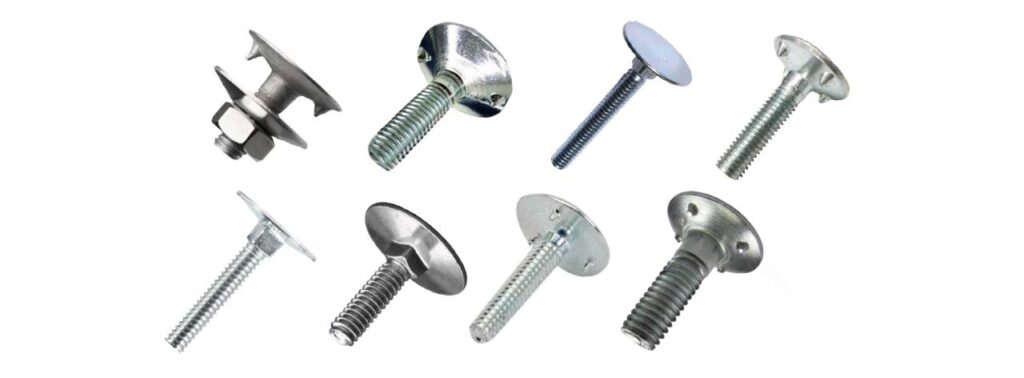
In industries where bulk materials need to be moved efficiently—like agriculture, mining, and food processing—small components often make the biggest difference. One such component is śruby czerpakowe, a specialized fastener designed for bucket elevator systems. Choosing the right bolts and installing them correctly can directly impact performance, safety, and maintenance costs.
This guide explains everything you need to know in a clear, practical way—from types and materials to installation tips and common mistakes.
What are śruby czerpakowe?
śruby czerpakowe are flat-head bolts used to attach buckets to belts in bucket elevators. Their smooth, low-profile head prevents material buildup and reduces wear on belts during operation.
These bolts are commonly used in:
- Grain handling systems
- Cement and aggregate industries
- Fertilizer plants
- Food processing units
Their design ensures secure fastening while maintaining smooth movement within the system.
Why are śruby czerpakowe important?
A bucket elevator runs continuously under heavy load. Poor-quality or incorrectly installed bolts can lead to:
- Bucket misalignment
- Belt damage
- Material spillage
- Unexpected downtime
High-quality śruby czerpakowe ensure:
- Strong and stable bucket attachment
- Reduced wear and tear
- Longer system lifespan
- Improved operational efficiency
Types of śruby czerpakowe
Not all bolts are the same. The type you choose depends on your application and environment.
1. Standard flat head bolts
These are the most common type, used in general applications where moderate strength is sufficient.
2. Countersunk head bolts
Designed for a flush finish, these minimize friction and are ideal for high-speed systems.
3. Ribbed neck bolts
These prevent rotation during installation, making them easier to tighten securely.
4. Oval head bolts
Used in specific setups where a slightly raised head is acceptable.
Materials used in śruby czerpakowe
Material selection plays a key role in durability and resistance.
| Material | Key Benefits | Best Use Case |
|---|---|---|
| Carbon Steel | Strong and cost-effective | General industrial use |
| Stainless Steel | Corrosion-resistant | Food and chemical industries |
| Alloy Steel | High strength and durability | Heavy-duty applications |
| Zinc-Coated Steel | Rust protection | Outdoor or humid environments |
Choosing the right material ensures better performance and fewer replacements over time.
How to choose the right śruby czerpakowe
Selecting the right bolts is not just about size. Here are the key factors to consider:
1. Load capacity
Make sure the bolts can handle the weight of the material being transported.
2. Environment
If the system is exposed to moisture or chemicals, corrosion-resistant materials are essential.
3. Size and fit
Incorrect sizing can cause loosening or damage to the belt.
4. Compatibility
Ensure the bolts match your bucket and belt specifications.
5. Standards and quality
Always choose bolts that meet industry standards for safety and performance.
Step-by-step installation guide
Proper installation is just as important as choosing the right bolts.
Step 1: Prepare the belt and buckets
Ensure all surfaces are clean and aligned properly.
Step 2: Insert the bolt
Place the śruby czerpakowe through the bucket and belt holes.
Step 3: Add washers and nuts
Use appropriate washers to distribute pressure evenly.
Step 4: Tighten securely
Avoid over-tightening, as it can damage the belt.
Step 5: Inspect alignment
Check that all buckets are aligned and securely fastened.
Common mistakes to avoid
Even experienced operators can make errors that reduce system efficiency.
- Using incorrect bolt size
- Ignoring material compatibility
- Over-tightening or under-tightening
- Skipping regular inspections
- Choosing low-quality bolts to save cost
Avoiding these mistakes can prevent costly repairs and downtime.
Maintenance tips for longer lifespan
Routine maintenance ensures your system runs smoothly.
- Inspect bolts regularly for wear and loosening
- Replace damaged or corroded bolts immediately
- Clean the system to prevent buildup
- Check belt tension periodically
- Keep spare bolts available for quick replacement
A simple maintenance routine can significantly extend the life of your śruby czerpakowe.
Applications of śruby czerpakowe
These bolts are widely used across multiple industries:
Agriculture
Used in grain elevators for transporting crops efficiently.
Mining
Handle heavy materials like coal and minerals.
Cement industry
Support high-load operations in harsh conditions.
Food processing
Stainless steel variants are used for hygienic operations.
Final thoughts
Choosing the right śruby czerpakowe is a small decision that has a big impact on your system’s efficiency and reliability. From selecting the correct material to ensuring proper installation, every step matters.
A well-maintained bucket elevator system not only performs better but also reduces long-term costs. By following the guidelines in this article, you can make informed decisions and keep your operations running smoothly.
Frequently asked questions (FAQs)
What makes śruby czerpakowe different from regular bolts?
They have a flat or low-profile head designed to prevent material buildup and reduce wear on belts.
How often should they be replaced?
It depends on usage, but regular inspection helps determine when replacement is needed.
Can I use standard bolts instead?
It is not recommended, as they may not provide the same performance or safety.
Which material is best?
Stainless steel is ideal for corrosive environments, while carbon steel works well for general use.