
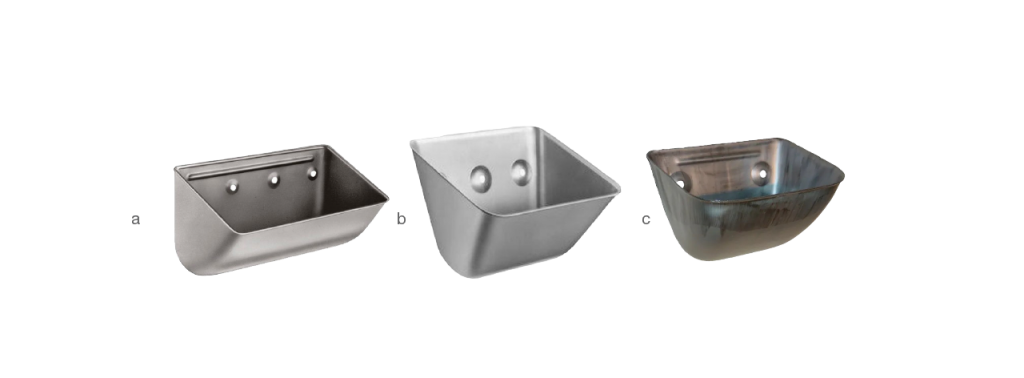
Choosing the right elevator buckets is essential for efficient material handling in industrial environments. Whether you are working in agriculture, food processing, mining, or cement industries, the type of bucket you select directly impacts performance, durability, and operating cost.
Many businesses make the mistake of selecting buckets based only on price, but factors like material type, bucket design, capacity, and operating conditions are just as important. In this guide, you will learn how to choose the right elevator buckets step by step using simple and practical insights.
What Are Elevator Buckets?
Elevator buckets are containers attached to a belt or chain in a bucket elevator system. Their main job is to carry bulk materials vertically from one point to another.
They are commonly used for handling materials such as:
- Grains and seeds
- Cement and sand
- Chemicals and fertilizers
- Food products
- Minerals and aggregates
The right bucket ensures smooth movement, minimal spillage, and long-lasting performance.
Why Choosing the Right Elevator Bucket Matters
Selecting the wrong bucket can lead to several problems:
- Material spillage and wastage
- Increased maintenance costs
- Reduced efficiency
- Faster wear and tear
- Equipment downtime
On the other hand, the correct bucket improves productivity, reduces operational costs, and ensures consistent performance.
Key Factors to Consider When Choosing Elevator Bucket
1. Type of Material Being Handled
The first and most important factor is the material you will handle.
Ask yourself:
- Is the material abrasive?
- Is it heavy or lightweight?
- Is it sticky or free-flowing?
- Is it fragile?
Examples:
- For abrasive materials like sand or cement → use heavy-duty buckets
- For fragile materials like grains → use smooth, gentle buckets
- For sticky materials → choose buckets with easy discharge design
2. Bucket Material
Elevator buckets are made from different materials, each with its own advantages.
Plastic Buckets
- Lightweight
- Corrosion-resistant
- Ideal for food and agricultural use
Steel Buckets
- Strong and durable
- Suitable for heavy and abrasive materials
- Long lifespan in tough environments
Nylon or Polyurethane Buckets
- Flexible and impact-resistant
- Good for high-speed operations
3. Bucket Design and Shape
The shape of the bucket plays a big role in performance.
Common Designs:
- Deep Buckets → ideal for handling fine and free-flowing materials
- Shallow Buckets → suitable for slow discharge and controlled flow
- V-Buckets → designed for specific industrial applications
Why it matters:
Proper design ensures efficient loading, smooth transport, and clean discharge without spillage.
4. Bucket Capacity and Size
Bucket size determines how much material is moved in each cycle.
Consider:
- Required output per hour
- Elevator speed
- Material density
Choosing the wrong size can either reduce efficiency or overload the system.
5. Operating Environment
The working environment affects bucket performance and durability.
Key conditions to consider:
- Temperature (high heat or cold)
- Moisture and humidity
- Exposure to chemicals
- Outdoor vs indoor use
Examples:
- High-temperature environments → use heat-resistant materials
- Wet conditions → use corrosion-resistant buckets
6. Type of Bucket Elevator System
There are two main types of systems:
Centrifugal Discharge Elevators
- High-speed operation
- Uses spaced buckets
- Best for free-flowing materials
Continuous Elevators
- Slow speed
- Buckets placed close together
- Ideal for fragile or sticky materials
Your bucket choice must match the elevator type to ensure proper functioning.
7. Mounting and Spacing
Bucket installation also plays an important role.
- Proper spacing ensures smooth operation
- Incorrect mounting can cause imbalance
- Strong fastening prevents accidents
Always follow manufacturer guidelines for installation.
8. Maintenance and Durability
Low-maintenance buckets help reduce long-term costs.
Look for:
- Wear-resistant materials
- Easy-to-clean designs
- Replaceable components
Although durable buckets may have a higher upfront cost, they help save money in the long run.
Common Mistakes to Avoid
Ignoring Material Type
Using the same bucket for all materials can reduce efficiency and cause damage.
Choosing Based on Price Only
Low-cost buckets may wear out quickly and increase maintenance costs.
Wrong Bucket Size
Oversized or undersized buckets can disrupt system performance.
Poor Installation
Improper installation can lead to breakdowns and safety risks.
Tips for Better Performance
- Always test buckets before full-scale use
- Regularly inspect for wear and damage
- Clean buckets to prevent material buildup
- Replace damaged buckets immediately
- Work with trusted suppliers for quality products
Benefits of Choosing the Right Elevator Buckets
When you choose correctly, you get:
- Improved efficiency
- Reduced material loss
- Lower maintenance costs
- Longer equipment life
- Better overall productivity
Conclusion
Choosing the right elevator buckets is not just about selecting a product—it is about understanding your entire operation. From material type to environmental conditions, every factor plays a role in performance and efficiency.
By carefully evaluating your needs and avoiding common mistakes, you can select buckets that improve productivity, reduce downtime, and save costs in the long run.
Investing time in the right choice today will ensure smooth and reliable operations for years to come.
Frequently Asked Questions (FAQs)
1. How do I know which elevator bucket is best for my application?
Start by analyzing your material type, operating conditions, and system requirements. Then match these with the right bucket material, size, and design.
2. Which material is best for elevator buckets?
It depends on your application. Plastic is best for food and light materials, while steel is ideal for heavy and abrasive materials.
3. How often should elevator buckets be replaced?
Replacement depends on usage and material type. Regular inspection helps identify wear early and avoid sudden failures.
4. Can I use the same bucket for different materials?
It is not recommended. Different materials require different bucket designs and materials for optimal performance.
5. What causes bucket wear and tear?
Common causes include abrasive materials, high speed, poor alignment, and lack of maintenance