
Introduction
Elevator bolts India are specialized fasteners used to secure belts in bucket elevators and conveyor systems. They are essential in industries like agriculture, mining, cement, and food processing. In India, industrial automation, infrastructure projects, and agricultural mechanization are driving strong demand for these fasteners. By 2026, the market is expected to grow steadily as industries seek durable and high-performance solutions.
Summary
Elevator bolts in India are critical components for conveyor and bucket elevator systems. The market is expanding due to industrial growth, automation, and mechanization in agriculture. Key sectors driving demand include cement, food processing, and mining. By 2026, high-strength and corrosion-resistant elevator bolts will dominate the market.
What Are Elevator Bolts?
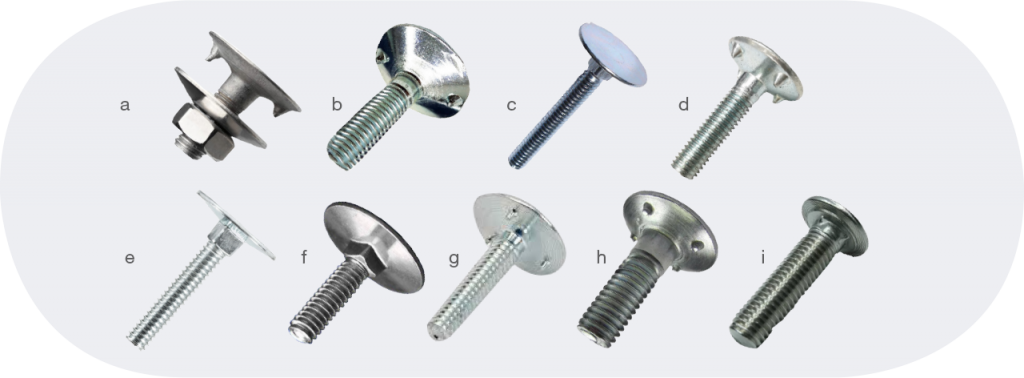
Elevator bolts are fasteners with a flat, wide head and square neck that prevents rotation. This design allows them to firmly secure belts in bucket elevators and conveyor systems.
Common applications include:
- Grain handling systems
- Industrial conveyors
- Cement and mining plants
- Food processing units
Their unique design distributes pressure evenly and ensures safety in heavy-duty operations.
How Big Is the Elevator Bolts Market in India?
India’s industrial fastener market is expanding rapidly. According to market research:
- The industrial fastener market is growing at 8–10% CAGR
- Bucket elevator installations in India are projected to cross 50,000 units by 2026
- Agricultural mechanization has increased demand for elevator bolts by 15% YoY
This growth is fueled by infrastructure projects, automation, and industrial expansion.
What Are the Key Growth Drivers for Elevator Bolts in India?
1. Rapid Infrastructure Development
Investments in warehouses, railways, ports, and smart cities require efficient material handling. Elevator bolts ensure safety and reliability in these systems.
2. Growth in Agriculture Mechanization
Modern farming equipment, such as grain elevators, depends on elevator bolts for belt fastening, driving demand in states like Punjab, Haryana, and Madhya Pradesh.
3. Industrial Automation
Automation in factories and logistics requires reliable fasteners. Elevator bolts play a key role in automated conveyors and processing lines.
4. Expansion of Food Processing Industry
India’s growing food processing sector depends on bucket elevators, where elevator bolts ensure uninterrupted operations and safety.
What Are the Emerging Elevator Bolts Market Trends in 2026?
Shift Toward High-Strength Materials
- Stainless steel and alloy steel bolts dominate industrial use
- Corrosion-resistant coatings improve longevity and reduce maintenance
Customization and Industry-Specific Designs
- Custom thread lengths, head types, and coatings
- Tailored solutions for conveyor systems, grain handling, and cement plants
Sustainability in Production
- Recyclable materials and energy-efficient manufacturing
- Reduced carbon footprint improves market acceptance
Digital Supply Chain & E-commerce
- B2B platforms simplify sourcing for small and medium enterprises
- Increased accessibility improves market penetration
Elevator Bolts vs Hex Bolts: Key Differences
| Feature | Elevator Bolts | Hex Bolts |
|---|---|---|
| Head Type | Flat & Large | Hexagonal |
| Applications | Conveyor & bucket elevators | General fastening |
| Anti-Rotation Feature | Square neck prevents spinning | None |
| Industrial Use | Heavy-duty machinery | Light to medium use |
Elevator Bolts Specifications
| Specification | Details |
|---|---|
| Material Types | Mild Steel, Stainless Steel, Alloy Steel |
| Head Type | Flat / Countersunk |
| Neck Type | Square / Ribbed |
| Size Range | M6 to M24 (custom sizes available) |
| Coating Options | Zinc plated, Hot-dip galvanized |
| Standards | DIN 15237 (common) |
Real Applications in India
Grain Storage Facilities
Elevator bolts secure bucket elevators in grain silos, ensuring smooth operation during peak harvest periods.
Cement Plants
Heavy-duty conveyors transporting limestone and clinker depend on durable elevator bolts.
Agro-Processing Units
Rice mills, flour mills, and other processing facilities rely on elevator bolts for belt fastening.
Mining Industry
Mining operations use elevators and conveyors for bulk material transport, increasing demand for high-strength bolts.
What Are the Challenges Facing Elevator Bolts Market in India?
- Raw material price fluctuations affect production costs
- Low-quality counterfeit bolts compromise safety
- Supply chain disruptions impact availability
- High competition among manufacturersAd
What Is the Future Outlook for Elevator Bolts in India by 2026?
- Strong growth from industrial automation, infrastructure, and agriculture
- Increased adoption of high-strength, corrosion-resistant bolts
- Expansion of exports and digital procurement channels
- Greater customization and sustainability trends
The market outlook is highly positive, with steady demand growth across industries.
Conclusion & Key Takeaways
Conclusion:
The elevator bolts market in India is growing steadily through 2026 due to industrial automation, infrastructure expansion, and agricultural mechanization. These fasteners ensure operational efficiency and safety in industries like cement, mining, food processing, and agriculture. High-strength materials, customized designs, and compliance with standards like DIN 15237 are shaping the future of this market.
Key Takeaways:
- High Demand Drivers: Automation, infrastructure, and mechanized agriculture.
- Material Trends: Stainless steel, alloy steel, and corrosion-resistant coatings.
- Industry Applications: Bucket elevators, conveyors, cement plants, grain storage, and food processing units.
- Market Outlook: Positive growth expected through 2026 with emphasis on quality and customization.
- Actionable Insight: Investing in durable, high-quality elevator bolts ensures operational efficiency and long-term reliability.
FAQs
Q1: What are elevator bolts used for?
A: They secure belts in bucket elevators and conveyor systems, ensuring operational safety in industries like agriculture, mining, and cement.
Q2: Why is demand for elevator bolts increasing in India?
A: Industrial automation, infrastructure projects, and agricultural mechanization are driving higher demand.
Q3: Which material is best for elevator bolts?
A: Stainless steel and alloy steel are preferred for strength, durability, and corrosion resistance.
Q4: What is DIN 15237 standard?
A: It defines specifications for elevator bolts used in bucket elevator systems to ensure safety and uniformity.
Q5: What industries use elevator bolts the most?
A: Agriculture, cement, mining, food processing, and manufacturing rely heavily on elevator bolts.