
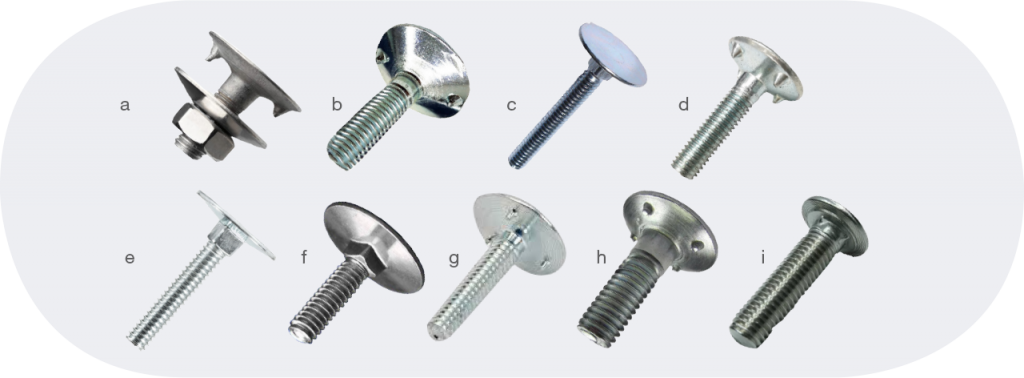
Euro elevator bolts are widely used in industrial systems, especially in bucket elevators and conveyor belts. They are designed to provide a strong and secure fastening solution where durability and reliability are critical. If you are planning to purchase these bolts, understanding their pricing and the factors that affect cost can help you make a better decision. This guide explains the price structure of Euro elevator bolts, what influences their cost, and practical tips to help you buy the right product without overspending.
What Are Euro Elevator Bolts?
Euro elevator bolts are special types of bolts designed for heavy-duty industrial applications. Unlike standard bolts, they have unique features that make them ideal for machinery that handles heavy loads or operates continuously. They are most commonly used in elevators, conveyors, and agricultural machines where reliability and strength are essential.
Key Features
- Flat, Wide Head – This provides a strong surface area to hold parts together firmly without slipping.
- Square Neck – The square-shaped section just below the head prevents the bolt from turning while tightening nuts, making installation easier.
- Material Options – Euro elevator bolts are available in different materials, including:
- Mild steel for general purposes
- Stainless steel for corrosion resistance
- High tensile steel for very strong applications
Common Applications
Euro elevator bolts are widely used in industries because of their strength and stability. Typical uses include:
- Bucket Elevators – For lifting bulk materials like grains, fertilizers, or powders.
- Conveyor Systems – Keeping belts, chains, and mechanical components secure.
- Agricultural Machinery – Used in equipment such as threshers, harvesters, and planters.
- Food Processing Equipment – Stainless steel bolts are preferred due to their resistance to moisture and chemicals.
Price Range in India
The price of Euro elevator bolts depends on size, material, and coating. Here is a general guide:
| Size | Material | Price (per piece) |
|---|---|---|
| M6–M8 | Mild Steel | ₹2 – ₹8 |
| M10–M12 | Mild Steel / Stainless Steel | ₹8 – ₹25 |
| M16+ | High Tensile / Stainless Steel | ₹25 – ₹80+ |
Tip: Industrial buyers often get discounts of 10–20% on bulk orders, which can save a lot of money when purchasing thousands of bolts.
Factors Affecting Price
The cost of Euro elevator bolts is influenced by several key factors:
- Material
- Mild Steel: Low cost, suitable for dry conditions.
- Stainless Steel: More expensive but resists corrosion and rust.
- High Tensile Steel: The priciest option but extremely strong and durable.
- Size and Dimensions
Larger bolts require more raw material and extra labor to manufacture, so they cost more. - Surface Finish
- Zinc Plated: Affordable protection against rust.
- Hot-Dip Galvanized: More durable, longer-lasting, but costs more.
- Black Oxide: Medium-level protection for indoor or low-moisture environments.
- Quality and Manufacturing
Precision-made bolts ensure consistent performance and reduce the chance of failure, but high-quality production increases the price. - Quantity
Buying in bulk lowers the per-unit cost. For example, 5,000 M12 bolts can cost anywhere between ₹50,000 and ₹1,00,000 depending on the material chosen.
Cost Breakdown
Here’s an approximate breakdown of what contributes to the price of each bolt:
| Component | % of Price |
|---|---|
| Raw Material | 40% |
| Manufacturing & Labor | 25% |
| Surface Finishing | 10% |
| Packaging & Transport | 10% |
| Supplier Margin | 15% |
This shows that the material alone is nearly half of the total cost, which explains why higher-grade steel bolts are significantly more expensive.
Choosing the Right Euro Elevator Bolt
To get the best performance and value, consider these factors:
- Match the Application – For wet or chemical environments, stainless steel is ideal. High tensile steel is best for heavy machinery.
- Check Load Requirements – Don’t use low-grade bolts for heavy loads; failure can cause accidents and downtime.
- Verify Standards – Ensure the bolt meets the proper size, threading, and mechanical standards for your equipment.
- Inspect Quality – Look for smooth finishes, accurate threads, and consistent shape. Poor quality bolts can cause problems during installation and operation.
Tips to Save Money
You can achieve savings without compromising standards by:
- Buying bolts in bulk
- Comparing prices from multiple suppliers
- Selecting the right material for your needs
- Using local suppliers to reduce shipping charges
- Negotiating custom pricing for large orders
Common Mistakes to Avoid
Even small mistakes when buying Euro elevator bolts can lead to bigger problems. Avoid these:
- Purchasing low-quality bolts to save money, which can fail under load.
- Choosing the wrong size or thread type, causing installation issues.
- Ignoring corrosion resistance, leading to rust and equipment damage.
- Buying from unverified suppliers, risking poor-quality or counterfeit bolts.
Mistakes like these can increase maintenance costs and machine downtime, which are far more expensive than investing in the right bolt upfront.
Future Price Trends
The price of Euro elevator bolts may change over time due to:
- Fluctuations in the steel market
- Changes in manufacturing costs
- Supply chain disruptions
- Increased demand for durable, corrosion-resistant bolts
Understanding these trends helps industrial buyers plan purchases and avoid unexpected cost spikes.
FAQ About Euro Elevator Bolts
Q1: What is the average price?
A: Prices range from ₹2 to ₹80+ per piece depending on size, material, and coating. Bulk purchases reduce costs.
Q2: Which material is best?
A: Stainless steel is ideal for wet or chemical environments. High-strength steel is ideal for applications that require heavy-duty performance.
Q3: Can mild steel bolts be used in industrial systems?
A: Yes, but only in dry environments. They can rust in wet conditions.
Q4: How can I save money?
A: Buy in bulk, compare multiple suppliers, choose the correct material, and negotiate custom pricing for large orders.
Q5: Are stainless steel bolts worth the extra cost?
A: Yes, they last longer, resist corrosion, and reduce maintenance costs over time.
Conclusion
Euro elevator bolts are an essential component in industrial machinery. They provide stability, strength, and safety for conveyor systems, elevators, and agricultural equipment. By understanding different materials, sizes, price ranges, and quality factors, buyers can make informed decisions that save money while ensuring reliable performance.
Investing in the right elevator bolts improves machine efficiency, reduces downtime, and ensures long-term safety. Whether you choose mild steel, stainless steel, or high tensile steel, selecting bolts carefully will pay off in durability and cost savings.