
Introduction
In modern industries, efficient bulk material handling is essential for productivity and cost control. One of the most important components in this process is the elevator bucket.
Whether you’re handling fragile grains, fine cement powder, or heavy mining materials, choosing the right industrial elevator buckets can significantly improve performance and reduce maintenance costs.
This guide provides a complete comparison to help you make the best choice.
What Are Elevator Buckets?
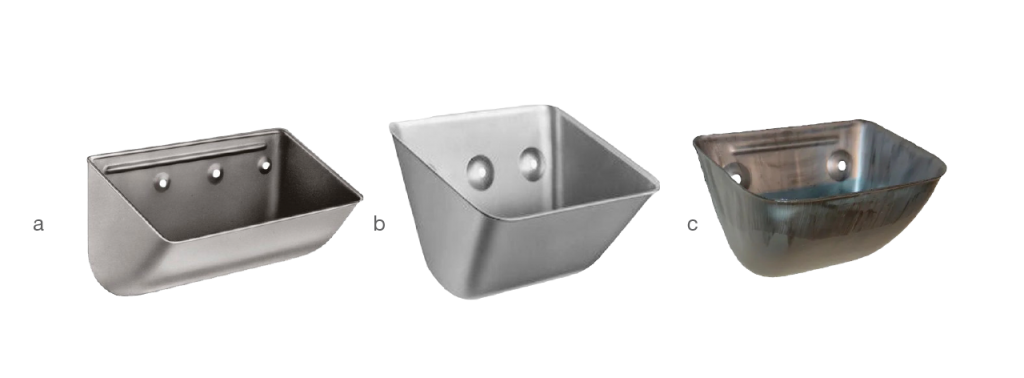
Elevator buckets are specially designed containers attached to a bucket elevator system that transport bulk materials vertically. They are widely used in industries like agriculture, cement, and mining for efficient and continuous material handling.
Quick Summary
- Grain Industry: Lightweight plastic buckets for gentle handling
- Cement Industry: Heat-resistant steel buckets for fine, dusty materials
- Mining Industry: Heavy-duty alloy buckets for abrasive and heavy loads
Elevator Buckets for Grain Industry
What Makes Them Different?
Grain materials like wheat, rice, and corn are delicate and require careful handling to avoid breakage and loss.
Key Features
- Made from HDPE or खाद्य-grade plastic
- Lightweight and corrosion-resistant
- Smooth surface to reduce grain damage
- हाई-capacity design for fast movement
Benefits
- Prevents grain cracking
- Reduces dust and contamination
- Ideal for food-grade applications
- Energy-efficient due to low weight
Best Applications
- Agricultural storage facilities
- Food processing units
- Grain elevators
Elevator Buckets for Cement Industry
What Makes Them Different?
Cement is fine, abrasive, and often handled in high-temperature environments. This demands durable and sealed bucket designs.
Key Features
- Made from steel or reinforced polymer
- Heat-resistant and wear-resistant
- Designed for dust control
- Medium to heavy-duty capacity
Benefits
- Handles powder efficiently
- Minimizes material loss
- Long lifespan under harsh conditions
- Suitable for continuous operation
Best Applications
- Cement plants
- Concrete batching units
- Construction material systems
Elevator Buckets for Mining Industry
What Makes Them Different?
Mining involves handling extremely heavy, sharp, and abrasive materials like coal, ores, and rocks.
Key Features
- Made from alloy steel or heavy-duty metal
- Thick walls for impact resistance
- Large capacity design
- high abrasion resistance
Benefits
- Withstands extreme environments
- Handles heavy loads efficiently
- Reduces downtime and maintenance
- Long operational life
Best Applications
- Coal mines
- Metal extraction plants
- Quarry operations
Key Comparison Table
| Feature | Grain Buckets | Cement Buckets | Mining Buckets |
|---|---|---|---|
| Material | HDPE / Plastic | Steel / Reinforced | Alloy Steel |
| Weight | Lightweight | Medium | Heavy |
| Durability | Moderate | High | Very High |
| Abrasion Resistance | Low | Medium | Very High |
| Capacity | High | Medium | Large |
| Use Case | Food & Agriculture | Construction | Mining & Quarry |
How to Choose the Right Elevator Bucket
1. Material Type
- Fragile materials → Plastic buckets
- Abrasive materials → Steel buckets
- Heavy materials → Alloy or reinforced buckets
2. Operating Conditions
Consider:
- Temperature
- Moisture
- Dust levels
3. Bucket Design & Capacity
Higher capacity increases output but requires more power.
4. System Compatibility
Ensure the bucket matches your conveyor bucket system and belt speed.
5. Maintenance Needs
Choose designs that are easy to clean, replace, and maintain.
Common Problems & Solutions
❌ Problem: Fast Wear & Tear
✔ Solution: Use abrasion-resistant materials like alloy steel
❌ Problem: Material Spillage
✔ Solution: Optimize bucket size and spacing
❌ Problem: Dust Generation
✔ Solution: Use enclosed bucket elevator systems
❌ Problem: Low Efficiency
✔ Solution: Match bucket type with application
Future Trends in Elevator Buckets
Modern material handling equipment is evolving with:
- Advanced polymer buckets (lightweight + strong)
- Anti-static and flame-resistant materials
- Eco-friendly and recyclable designs
- Smart monitoring systems for predictive maintenance
Conclusion
Elevator buckets may seem like a small part of a large system, but they play a crucial role in material handling. Whether you are dealing with grain, cement, or mining materials, choosing the right bucket can make a significant difference in performance and cost-efficiency.
- Grain buckets focus on gentle handling and hygiene
- Cement buckets require durability and dust control
- Mining buckets demand strength and resistance to extreme conditions
By understanding these differences and selecting the right type, you can improve productivity, reduce downtime, and extend the life of your equipment.
Frequently Asked Questions
Which material is best suited for elevator buckets?
The best material depends on the application. Plastic is ideal for grain, steel works best for cement, and alloy steel is perfect for mining.
Which elevator bucket is used in mining?
Mining uses heavy-duty elevator buckets made from alloy steel due to their high strength and abrasion resistance.
Are plastic elevator buckets durable?
Yes, plastic buckets are durable for lightweight materials like grain. They are corrosion-resistant and suitable for food-grade applications.
How do I choose the right elevator bucket?
You should consider material type, operating conditions, capacity, and system compatibility before choosing an elevator bucket.
What is a bucket elevator system?
A bucket elevator system is a vertical conveying system used to transport bulk materials using a series of attached buckets.