
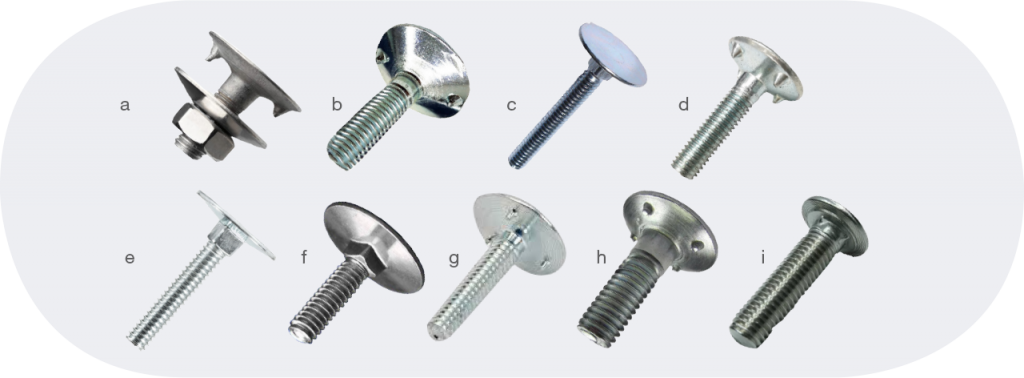
Euro elevator bolts are flat-head fasteners designed for conveyor systems and heavy-duty machinery. Their wide head and square neck provide a secure grip, prevent rotation, and allow smooth surface movement, making them ideal for industries like agriculture, mining, and food processing.
What Are Euro Elevator Bolts?
Euro elevator bolts are specialized fasteners with a flat, wide head and a square neck beneath it. This design helps the bolt stay in place while tightening and ensures a flush surface after installation.
They are mainly used in systems where materials move continuously, such as conveyor belts or bucket elevators. The flat head reduces wear and tear on belts and prevents damage during operation.
The term “Euro” refers to bolts manufactured according to European standards, which focus on precision, durability, and consistent quality.
Key Features
These bolts are engineered for reliable performance under harsh conditions. Key features include:
- Flat Head Design: Sits flush with the surface, preventing obstruction
- Square Neck: Locks into place and stops the bolt from spinning
- Strong Grip: Holds components tightly even under vibration
- High Durability: Made from tough materials like carbon steel or stainless steel
- Corrosion Resistance: Available with coatings or in rust-resistant materials
Types of Euro Elevator Bolts
Different applications require different types of bolts. Having a clear grasp of these choices enables you to make the right selection.
1. Standard Euro Elevator Bolts
These are used in general applications where conditions are not too harsh.
Best for:
- Light conveyor systems
- Basic industrial use
2. High-Strength Elevator Bolts
Made from stronger materials, these bolts can handle heavy loads and constant stress.
Best for:
- Mining equipment
- Heavy-duty conveyors
- High-impact environments
3. Stainless Steel Elevator Bolts
These are resistant to rust and corrosion, making them ideal for sensitive environments.
Best for:
- Food processing units
- Marine areas
- Wet or humid conditions
4. Coated Elevator Bolts
These bolts come with protective coatings such as zinc or galvanization to improve durability.
Best for:
- Outdoor installations
- Moderate exposure to moisture
5. Custom Euro Elevator Bolts
Some projects require specific sizes or materials. Euro bolts are made for such needs.
Best for:
- Specialized machinery
- Unique industrial setups
Common Uses
Euro elevator bolts are widely used in industries where strong and reliable fastening is required.
1. Conveyor Systems
These bolts are commonly used to fasten belts and buckets. The flat head ensures smooth movement without damaging the belt.
2. Agricultural Equipment
In grain elevators, these bolts hold buckets that carry crops like wheat or rice. They operate continuously under heavy loads.
3. Mining Industry
Mining equipment requires durable components. These bolts help secure parts that handle heavy materials like coal or ore.
4. Food Processing Units
Stainless steel variants are used because they resist corrosion and are easy to clean, maintaining hygiene standards.
5. Industrial Machinery
They are used in machines where vibration and load are constant, ensuring parts stay securely fastened.
Real-World Example
In a grain handling facility, thousands of kilograms of grain are moved every hour using bucket elevators. Euro elevator bolts are used to secure each bucket to the belt. If even one bolt fails, it can disrupt the entire system, leading to downtime and repair costs. This shows how important it is to choose the right bolt.
Euro Elevator Bolts vs Standard Bolts
Understanding the difference helps avoid wrong choices.
| Feature | Euro Elevator Bolts | Standard Bolts |
| Head Type | Flat and wide | Hex or rounded |
| Surface Finish | Flush | Raised |
| Rotation Control | Square neck prevents spinning | May rotate tightening |
| Primary Use | Conveyor systems | General fastening |
| Load Handling | Designed for continuous movement | Varies by type |
How to Choose the Right Euro Elevator Bolt
Choosing the correct bolt ensures safety and long-term performance.
1. Material Selection
- Use stainless steel for wet or hygienic environments
- Use high-strength steel for heavy-duty applications
2. Size and Dimensions
Select the correct length and diameter. A wrong size can weaken the connection or cause failure.
3. Load Requirements
Always check how much weight the bolt needs to handle. For heavy loads, choose high-strength variants.
4. Environmetal Conditions
Consider exposure to:
- Moisture
- Chemicals
- Temperature changes
Choose corrosion-resistant options when needed.
5. Compatibility
Make sure the bolt fits well with nuts, washers, and the material being used.
6. Quality Standards
Always choose bolts that meet recognized manufacturing standards to ensure reliability.
Common Mistakes to Avoid
Steering clear of these errors can help you save both time and money:
- Choosing the wrong material: Leads to rust or early failure
- Ignoring load capacity: Can cause breakage under stress
- Using incorrect size: Results in weak fastening
- Skipping inspection: Poor-quality bolts may fail quickly
- Not considering environment: Moisture and chemicals can damage bolts
Buying Tips
Here are some practical tips to help you make the right purchase:
1. Choose Trusted Suppliers
Reliable suppliers offer better quality and consistent products.
2. Check Certifications
Ensure the bolts meet industry standards for safety and durability.
3. Inspect Product Quality
Look at:
- Thread finish
- Coating quality
- Overall build
4. Balance Cost and Quality
Cheap bolts may save money initially but can lead to higher maintenance costs.
5. Buy in Bulk When Needed
Bulk purchases can reduce cost for large projects.
6. Ask for Technical Guidance
If unsure, consult experts or suppliers to avoid costly mistakes.
Installation Tips
Proper installation ensures the bolt performs as expected:
- Use the correct hole size
- Ensure the square neck locks properly
- Tighten evenly to avoid stress imbalance
- Use proper tools to prevent thread damage
- Recheck tightness after installation
Maintenance and Care
Regular maintenance improves lifespan and performance:
- Inspect bolts for wear and damage
- Replace rusted or weakened bolts
- Keep them clean in sensitive environments
- Check for loosening due to vibration
Final Thoughts
Euro elevator bolts are small components, but their role is critical in many industries. Their unique design ensures secure fastening, smooth operation, and long-lasting performance.
By understanding the different types, choosing the right material, and avoiding common mistakes, you can ensure your system runs efficiently without unexpected failures. Whether you are working on a conveyor system, agricultural setup, or heavy machinery, selecting the right bolt is always a smart investment.
Frequently Asked Questions (FAQ)
1. What makes Euro elevator bolts different from regular bolts?
Euro elevator bolts have a flat head and square neck, which prevent rotation and allow a flush surface, unlike regular bolts.
2. Where are Euro elevator bolts mainly used?
They are mainly used in conveyor systems, agricultural equipment, and industrial machinery.
3. Which material is best for elevator bolts?
It depends on the environment. Stainless steel is best for wet conditions, while high-strength steel is suitable for heavy loads.
4. Can these bolts be used outdoors?
Yes, but coated or stainless steel bolts are recommended for outdoor use to prevent corrosion
5. How do I know the right size to choose?
Check the thickness of the material and load requirements. Always match the bolt size to the application.