
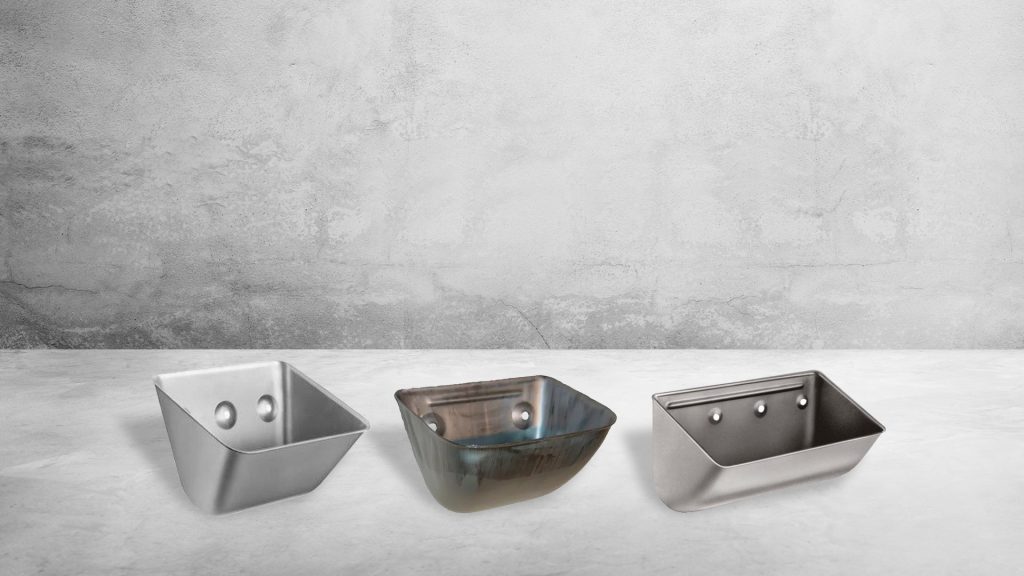
Vertical conveying systems are a fundamental part of many industrial processes where bulk materials must be moved efficiently between different levels. Among the most important components in these systems are les godets d’élévateurs, widely known as elevator buckets. These components enable controlled lifting of materials while maintaining steady flow, minimal spillage, and reliable system performance.
Although elevator buckets may appear simple, their design, material quality, and dimensional accuracy have a direct impact on overall system efficiency. Poor bucket selection can lead to uneven loading, excessive wear on belts or chains, and frequent maintenance interruptions. As industries continue to expand production capacity, the importance of dependable elevator buckets has become increasingly evident.
We support industrial material handling operations by supplying elevator buckets that are suited to practical operating conditions and long-term performance requirements.
Role of Les Godets d’Élévateurs in Industrial Operations
Elevator buckets are designed to transport bulk materials vertically within enclosed conveying systems. Mounted on belts or chains, they collect material at the inlet point, carry it upward, and discharge it at the desired height. This controlled process helps industries maintain clean, efficient, and consistent material flow.
Les godets d’élévateurs are utilized in industries that require continuous handling of bulk materials. Their enclosed operation helps reduce dust generation, material loss, and contamination, which is especially important in regulated industrial environments.
Industries that commonly rely on elevator buckets include:
- Agriculture for grains, seeds, and feed materials
- Cement and construction material processing plants
- Mining and mineral handling operations
- Food processing and packaging facilities
- Chemical and fertilizer production units
In each of these applications, bucket performance directly affects productivity. Buckets that are incorrectly sized or unevenly manufactured can disturb system balance, increase vibration, and accelerate wear on mechanical components.
By selecting properly designed elevator buckets, industries can maintain stable operation and reduce mechanical stress throughout the conveying system.
Different Types of Elevator Buckets and Their Uses
Handling requirements vary widely across industries, leading to the development of different bucket designs. Each type of les godets d’élévateurs is intended to suit specific material characteristics, speeds, and discharge methods.
Common bucket types include:
- Deep buckets for fine and free-flowing materials
- Shallow buckets for sticky or slow-discharging products
- Continuous buckets for gentle handling of fragile materials
- Centrifugal discharge buckets for higher-speed, high-capacity systems
Deep buckets are often used in applications involving grain, sand, or powdered materials where maximum carrying capacity is required. Shallow buckets improve discharge efficiency when handling materials that tend to cling to surfaces. Continuous buckets operate at lower speeds, making them suitable for delicate materials that require minimal impact.
Choosing the correct bucket type ensures efficient filling, smooth discharge, and reduced carry back. Using an unsuitable design can result in material buildup inside the casing and reduced system output.
We assist industrial users by supplying elevator buckets that match system design and material behaviour.
Material Selection for Les Godets d’Élévateurs
Material choice is a critical factor in determining bucket durability and system efficiency. Elevator buckets operate under continuous movement and are often exposed to abrasion, moisture, and temperature variation.
Common materials used include:
- Carbon steel for heavy and abrasive materials
- Stainless steel for corrosive or hygiene-sensitive environments
- Plastic and polymer materials for lightweight and food-related applications
Carbon steel buckets are widely used in cement, mining, and mineral processing due to their strength and impact resistance. Stainless steel buckets are preferred in food processing and chemical industries where corrosion resistance and cleanliness are essential. Plastic buckets offer reduced weight, corrosion resistance, and quieter operation in suitable applications.
Material thickness and reinforcement also affect service life. Abrasive materials require thicker walls to prevent premature wear, while lighter materials allow thinner designs that improve energy efficiency.
We focus on supplying elevator buckets manufactured from materials that align with real operating conditions and performance expectations.
Design Accuracy and Compatibility with Elevator Systems
Design precision plays a significant role in the reliable operation of elevator buckets. Accurate dimensions ensure proper fit on belts or chains and reduce stress at mounting points.
Important design considerations include:
- Uniform bucket weight for balanced system operation
- Correct hole alignment for secure attachment
- Smooth internal surfaces to improve discharge
- Reinforced edges to enhance durability
Inconsistent dimensions or uneven weight distribution can lead to vibration, misalignment, and accelerated wear. Proper bucket spacing also contributes to smooth operation and consistent material flow.
Design accuracy directly influences energy consumption. Well-designed buckets allow material to move efficiently, reducing resistance and power requirements during operation.
We supply les godets d’élévateurs with controlled manufacturing accuracy to support long-term system stability and efficiency.
Importance of Quality in Elevator Buckets
Quality has a direct impact on the reliability and safety of vertical conveying systems. Low-quality buckets may crack, deform, or loosen during operation, causing material loss and equipment damage.
High-quality elevator buckets offer:
- Stable and consistent material flow
- Reduced wear on belts, chains, and pulleys
- Improved system balance
- Longer service intervals and lower maintenance costs
Quality manufacturing ensures uniform thickness, precise hole placement, and proper surface finish. These factors help distribute load evenly and prevent stress concentration at mounting points.
Industries increasingly prefer suppliers that follow strict quality control procedures, including material inspection and dimensional checks. Consistency across production batches is essential for predictable system performance.
R-E Industries emphasizes dependable quality standards, supporting industrial operations with elevator buckets designed for reliable long-term use.
Selecting a Reliable Supplier for Les Godets d’Élévateurs
Choosing the right supplier is essential for maintaining system efficiency and minimizing operational risks. A dependable supplier understands material behavior, system design, and industry requirements.
Key factors to consider include:
- Availability of multiple bucket designs and materials
- Consistency in manufacturing quality
- Ability to support bulk and repeat orders
- Clear quality assurance practices
Reliable supply helps industries avoid delays, reduce downtime, and maintain smooth production schedules. Long-term supplier relationships also support better planning and maintenance coordination.
We work closely with industrial clients to supply elevator buckets that align with system requirements and operational goals.
Conclusion
Les godets d’élévateurs play a critical role in vertical conveying systems used for material handling. Their design, choice of materials, and production quality have a direct impact on operational efficiency, service life, and maintenance needs. Selecting the right bucket configuration and partnering with knowledgeable suppliers helps industries maintain reliable material flow and long-term performance. With an emphasis on reliability and practical functionality, R-E Industries remains committed to delivering durable and efficient elevator bucket solutions for a wide range of industrial applications.