
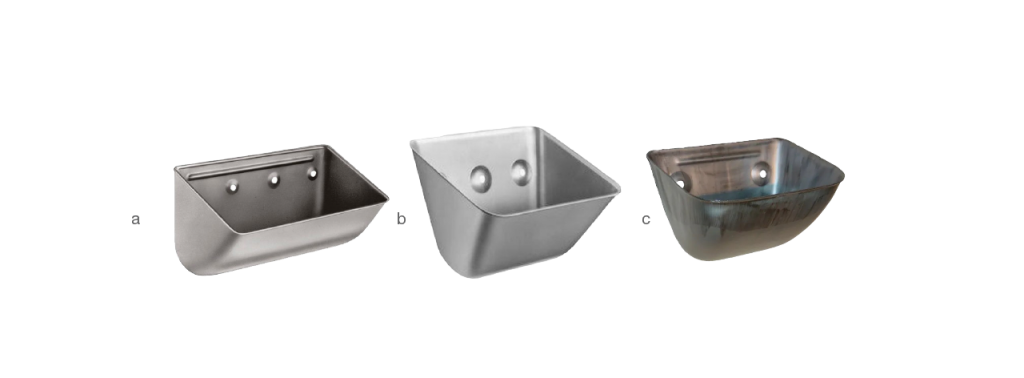
In modern industrial operations, efficiency, safety, and reliability are essential. One piece of equipment that has become indispensable is the cangilón elevador, also known as a bucket elevator, vertical conveyor, or bulk material handling system. These systems transport bulk materials vertically with minimal spillage and consistent throughput.
Their versatility makes them a cornerstone in industries handling large volumes of material daily.
1. Agriculture Industry
The agriculture sector moves massive volumes of grains, seeds, and other bulk materials. Cangilón elevadores provide gentle, vertical lifting without damaging the product.
Applications:
- Grain Handling: Farms, silos, and processing plants use elevators to move wheat, corn, rice, and other grains efficiently.
- Seed Processing: Seed companies transport seeds between cleaning, sorting, and packaging stations.
- Animal Feed Production: Ingredients are moved vertically to ensure smooth operation in feed mills.
Impact: Over 80% of grain processing plants use cangilón elevadores for reliable vertical transport. Key benefits include reduced labor, minimal product loss, and consistent material flow.
2. Mining Industry
Mining operations involve heavy, abrasive materials like ore, coal, and gravel. Durability and strength are crucial. Bucket elevators withstand harsh conditions while handling abrasive materials efficiently.
Applications:
- Ore Transportation: Elevators move crushed ore from lower levels to processing plants.
- Coal Handling: Mines use elevators to transfer coal to storage bunkers or conveyors.
- Aggregate Processing: Gravel, sand, and aggregates are transported to different facility levels.
Benefits: Minimized downtime, improved safety, and higher productivity for workers and equipment.
3. Food Processing Industry
Hygiene, precision, and gentle handling are vital. Food-grade cangilón elevadores meet these requirements with stainless steel construction and sanitary designs.
Applications:
- Bulk ingredients like flour, sugar, and grains are moved efficiently.
- Snack and cereal production lines rely on elevators to prevent breakage.
- Continuous feeding into packaging machines boosts throughput.
Benefits: Contamination prevention, consistent operation, and high efficiency in food production.
4. Chemical Industry
Chemical facilities handle powders, granules, and pellets that require careful handling. Vertical conveyors provide a controlled, enclosed solution.
Applications:
- Transport powdered chemicals like fertilizers, pigments, and detergents.
- Move pelletized products used in chemical or pharmaceutical processes.
- Handle hazardous materials safely with dust containment.
Benefits: Maintains production flow, reduces risk of exposure, and ensures safety compliance.
5. Cement and Construction Materials Industry
The cement and construction sector deals with cement, sand, and aggregates that must be lifted efficiently. Heavy-duty bucket elevators are ideal here.
Applications:
- Move bulk cement from silos to mixers with minimal dust.
- Elevate sand and aggregates to various plant levels.
- Ensure consistent feeding into concrete mixers.
Benefits: Reduced downtime, improved material flow, and support for large-scale production.
6. Waste Management and Recycling
Recycling facilities handle materials from plastic pellets to scrap metal. Bulk material handling systems ensure smooth vertical transport.
Applications:
- Move plastic granules to molding or extrusion machines.
- Transport scrap materials to sorting and processing units.
- Elevate organic waste for composting and processing.
Benefits: Streamlined recycling, reduced manual labor, and improved throughput.
Why Industries Prefer Cangilón Elevador Systems
- High Efficiency: Continuous vertical transport maintains throughput.
- Material Integrity: Gentle handling reduces breakage.
- Space-Saving Design: Vertical transport optimizes floor space.
- Durability: Handles abrasive, heavy, and bulk materials.
- Safety: Enclosed systems reduce spillage and manual handling hazards.
- Adaptability: Custom bucket sizes, belt speeds, and materials fit industry needs.
Choosing the Right System
Consider these factors before selecting a cangilón elevador:
- Material Type: Granular, powdery, or fragile materials.
- Capacity Requirements: Volume to move per hour.
- Height of Elevation: Vertical distance materials must travel.
- Environment: Sanitary or corrosion-resistant materials for food/chemical use.
- Maintenance and Durability: Models that minimize downtime and withstand wear.
Working with a trusted manufacturer ensures your elevator meets operational and regulatory standards.
Conclusion
From agriculture to mining, food processing, chemicals, construction, and recycling, the cangilón elevador is a reliable backbone for vertical bulk material handling. Its efficiency, durability, and adaptability make it essential for high-volume operations.
By understanding your industry’s needs and selecting the right system, businesses can boost productivity, reduce labor costs, and ensure safe, efficient operations.
FAQ
Q1: What is a cangilón elevador?
A: It is a vertical conveyor system, also called a bucket elevator, used to move bulk materials efficiently and safely.
Q2: Which industries use bucket elevators most?
A: Agriculture, mining, food processing, chemicals, construction, and recycling industries.
Q3: How do I choose the right elevator for my business?
A: Consider material type, capacity, elevation height, environment, and durability requirements.
Q4: Are bucket elevators safe for food processing?
A: Yes, food-grade elevators use stainless steel and sanitary designs to prevent contamination.
Q5: Can they handle abrasive materials like ore or cement?
A: Yes, heavy-duty models are designed to withstand abrasive and high-volume materials.