
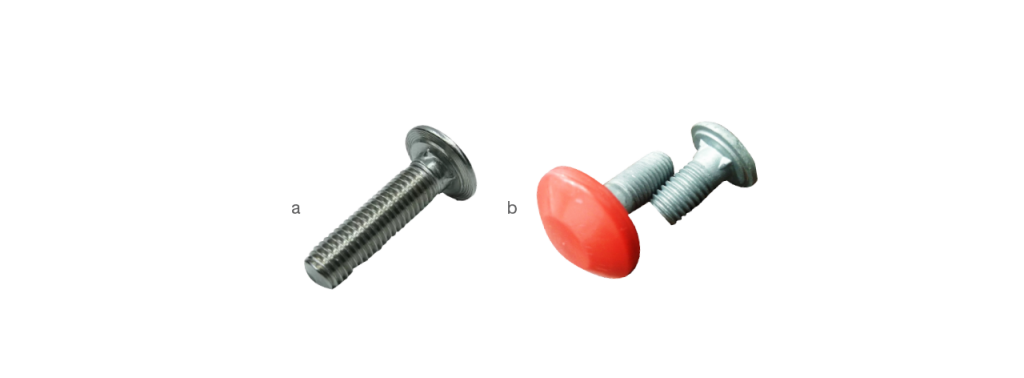
When it comes to building or maintaining storage systems like grain silos or industrial tanks, small components often make the biggest difference. One such component is the silo bolt. Choosing the right silo bolts is not just about fastening metal sheets together—it’s about ensuring safety, durability, and long-term performance.
In this guide, you’ll learn how to select the right silo bolts for your project using simple, practical steps. Whether you are a contractor, manufacturer, or business owner, this article will help you make a confident and informed decision.
What Are Silo Bolts?
Silo bolts are specially designed fasteners used in the construction of silos, storage tanks, and similar structures. Unlike regular bolts, they have a flat or domed head that sits flush against the surface. This design prevents material buildup inside the silo and reduces the risk of contamination or damage.
They are widely used in:
- Grain storage systems
- Cement and industrial silos
- Food processing units
- Agricultural storage facilities
Why Choosing the Right Silo Bolts Matters
Many people underestimate the importance of selecting the correct bolts. The wrong choice can lead to:
- Structural failure
- Leakage or contamination
- Increased maintenance costs
- Reduced lifespan of the silo
On the other hand, the right silo bolts provide:
- Strong and secure connections
- Resistance to corrosion
- Better performance under pressure and load
- Long-term cost savings
Key Factors to Consider When Choosing Silo Bolts
1. Material of the Bolt
The material is one of the most important factors. Different environments require different materials.
Common options include:
- Galvanized steel – Good for general use and offers basic corrosion resistance
- Stainless steel – Ideal for food-grade or high-moisture environments
- High-tensile steel – Suitable for heavy-duty industrial applications
If your silo is exposed to moisture, chemicals, or extreme weather, always go for corrosion-resistant materials.
2. Size and Strength
Silo bolts come in different sizes and strength grades. Choosing the wrong size can weaken the entire structure.
Consider:
- Thickness of the silo panels
- Load-bearing requirements
- Pressure inside the silo
A properly sized bolt ensures that the structure remains stable even under heavy loads.
3. Environmental Conditions
Your operating environment plays a big role in bolt selection.
Ask yourself:
- Is the area humid or dry?
- Will the bolts be exposed to chemicals?
- Are there extreme temperature changes?
For example:
- Humid climates require anti-corrosion coatings
- Chemical industries need specialized resistant materials
4. Coating and Corrosion Resistance
Coatings increase the life of silo bolts. Without proper protection, bolts can rust and weaken over time.
Popular coating options:
- Hot-dip galvanization
- Zinc plating
- Specialized anti-corrosion coatings
Investing in high-quality coating may cost more initially, but it reduces maintenance and replacement costs later.
5. Head Design and Seal
Silo bolts are designed to prevent leakage and contamination.
Look for:
- Smooth, wide heads for better sealing
- Washers or sealing components
- Tight fit to avoid gaps
This is especially important in food and grain storage where hygiene matters.
Silo Bolts for Different Applications
Not all silo bolts are the same. Different industries have different requirements.
Grain Storage
- Requires smooth surfaces to prevent grain damage
- Needs corrosion resistance due to moisture
Cement Industry
- Requires high strength to handle heavy loads
- Must resist dust and abrasion
Food Processing
- Needs stainless steel for hygiene
- Must meet safety standards
Understanding your application helps you choose the right type quickly.
Common Mistakes to Avoid
Even experienced buyers can make mistakes. Here are some common ones:
1. Choosing based on price only
Cheap bolts may fail quickly and increase long-term costs.
2. Ignoring environmental factors
Not considering moisture or chemicals can lead to corrosion.
3. Using incorrect sizes
Improper sizing weakens the structure.
4. Skipping quality checks
Always ensure the bolts meet industry standards.
Avoiding these mistakes can save both time and money.
Price vs Quality: What Should You Focus On?
It’s tempting to go for the lowest price, especially in bulk purchases. However, quality should always come first.
Low-quality bolts may:
- Corrode faster
- Break under pressure
- Require frequent replacement
High-quality bolts offer:
- Better durability
- Lower maintenance
- Improved safety
Think of silo bolts as a long-term investment rather than a short-term expense.
Quick Buying Checklist
Before making your final decision, go through this checklist:
- ✔ Choose the right material for your environment
- ✔ Confirm correct size and strength
- ✔ Check corrosion resistance and coating
- ✔ Match the bolt type with your industry needs
- ✔ Buy from a reliable supplier
- ✔ Ensure compliance with quality standards
To make your selection process easier, it’s also a good idea to understand how manufacturers maintain consistency and reliability. Reviewing a company’s quality control practices can give you better confidence in the products you choose, helping ensure long-term performance and safety in your project.
Final Thoughts
Choosing the right silo bolts is a critical step in ensuring the safety and efficiency of your storage system. By focusing on material, size, environment, and quality, you can avoid costly mistakes and improve long-term performance.
Instead of rushing the decision, take time to evaluate your needs and invest in the right solution. A well-chosen bolt may seem like a small detail, but it plays a big role in the success of your entire project.
If you want to explore detailed specifications, compare different options, and get a clearer understanding of what suits your application best, reviewing a complete product catalogue can be a helpful next step. It allows you to evaluate technical details and make a more confident, well-informed decision for your project.
Frequently Asked Questions (FAQs)
1. What is the best material for silo bolts?
Stainless steel is ideal for high-moisture or food-grade environments, while galvanized steel works well for general use.
2. How do I know the right size of silo bolts?
It depends on the thickness of the panels and load requirements. Always refer to engineering specifications.
3. Are coated silo bolts worth it?
Yes, coatings improve corrosion resistance and extend the lifespan of the bolts.
4. Can I use regular bolts instead of silo bolts?
No. Silo bolts are specially designed for safety, sealing, and durability in storage systems.