
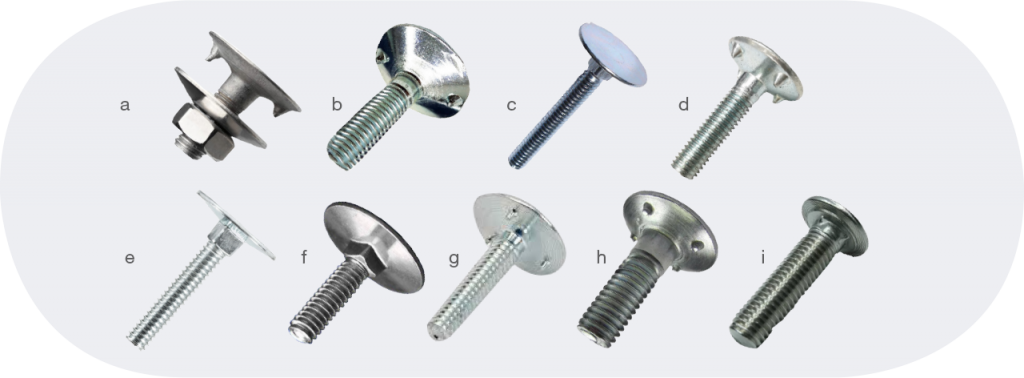
The elevator bucket bolt industry may look small, but it plays a big role in industries like agriculture, cement, mining, and food processing. These bolts hold bucket systems together, making sure materials move safely and smoothly. As industries grow and modernize, the demand for strong and reliable bucket bolts is also rising.
This blog explains the current trends, key insights, and future direction of global elevator bucket bolt manufacturers in a simple and clear way.
What Are Elevator Bucket Bolts?
Elevator bucket bolts are special fasteners used to attach buckets to conveyor belts in bucket elevator systems. These systems are used to move bulk materials like grains, sand, cement, and chemicals vertically.
The bolts must be strong, wear-resistant, and secure because they operate in tough conditions like high load, dust, and vibration.
Global Market Overview
The global market for elevator bucket bolts is growing steadily. This growth is mainly because industries are expanding and using more automated systems.
- Around 206 suppliers are actively trading elevator bucket bolts globally.
- These suppliers serve 220+ buyers across 46 countries, showing a wide global demand.
- Growth is strongly linked with industries like construction, mining, and agriculture.
In simple terms, wherever materials need to be moved in bulk, bucket bolts are needed.
Key Trends in Elevator Bucket Bolt Manufacturing
1. Rising Demand from Industrial Growth
As industries grow, the need for efficient material handling systems also increases. Bucket elevators are widely used because they are simple and reliable.
Sectors driving demand:
- Cement plants
- Agriculture and grain storage
- Mining operations
- Food processing industries
Infrastructure projects and industrial expansion are major reasons behind this demand.
2. Shift Toward Stronger and Better Materials
Manufacturers are focusing on improving the quality of bolts. New materials are making bolts:
- More resistant to corrosion
- Stronger under heavy loads
- Longer lasting
Advances in material science are helping create bolts that reduce maintenance and replacement costs.
3. Focus on Automation and Smart Systems
Modern factories are becoming more automated. This change is also affecting bucket bolt design.
Manufacturers are now producing bolts that:
- Work well with high-speed systems
- Support automated conveyors
- Reduce downtime
Some advanced systems even use smart monitoring to track performance and wear.
4. Growth in Emerging Markets
Countries in Asia, Africa, and parts of South America are seeing fast industrial growth.
- New factories and plants are being built
- Demand for bulk handling equipment is increasing
- Local manufacturing is expanding
These regions are expected to grow faster than developed markets in the coming years.
5. Customization Is Becoming Important
Every industry has different needs. Because of this, manufacturers are offering more customized solutions.
Examples include:
- Different bolt sizes and shapes
- Special coatings for harsh environments
- Application-specific designs
This trend helps companies improve efficiency and reduce system failures.
6. Sustainability and Eco-Friendly Practices
Environmental concerns are influencing manufacturing processes.
Manufacturers are now:
- Using recyclable materials
- Reducing waste during production
- Adopting eco-friendly coatings
Sustainability is not just a trend, it is becoming a requirement in many regions.
Challenges Faced by Manufacturers
Even though the market is growing, manufacturers face some challenges.
1. Raw Material Price Fluctuations
Steel and metal prices change often. This affects production costs and pricing.
2. High Competition
There are many manufacturers worldwide, which creates price pressure and competition.
3. Supply Chain Issues
Delays in transport or shortages of raw materials can impact production and delivery.
4. Need for Continuous Innovation
Manufacturers must keep improving their products to stay competitive.
Key Insights About the Industry
Strong Link with Infrastructure Development
Whenever new infrastructure projects start, demand for bucket systems and bolts increases.
Limited Substitutes
There are very few alternatives to bucket bolts in these systems, which keeps demand stable.
Growing Standardization
Global standards are making it easier for manufacturers to supply products across countries.
Expansion Through Partnerships
Many companies are expanding by working with local distributors and partners in new markets.
Future Outlook
The future of elevator bucket bolt manufacturing looks positive.
Here’s what we can expect:
- More use of advanced materials
- Growth in smart and connected systems
- Higher demand from developing countries
- Better quality and longer-lasting products
The overall market will continue to grow as industries expand and automation increases.
Conclusion
Elevator bucket bolt manufacturers are part of a growing global industry. Even though these components are small, they are essential for smooth industrial operations.
With rising demand, better technology, and new market opportunities, manufacturers who focus on quality, innovation, and customer needs will continue to grow.
The industry is moving forward steadily, and the future looks strong for those who adapt to change.
FAQ
What drives the demand for elevator bucket bolts?
Demand is driven by industrial growth, infrastructure projects, and the need for efficient material handling systems.
Which industries use elevator bucket bolts the most?
Main industries include agriculture, mining, cement, food processing, and chemicals.
What are the latest trends in bucket bolt manufacturing?
Key trends include better materials, automation, customization, and eco-friendly production.
Why are emerging markets important?
Emerging markets are building new industries and infrastructure, which increases demand for bucket systems and components.