
Introduction
When it comes to material handling systems, small components often play a big role. One such critical component is Boulons de godet d’élévateur, commonly used in bucket elevator systems. These specialized bolts are designed to securely fasten buckets to elevator belts, ensuring smooth and efficient operation.
If you’re new to this topic, don’t worry. This beginner-friendly guide will walk you through everything you need to know—from what these bolts are to how to choose and maintain them properly.
What Are Boulons de godet d’élévateur?
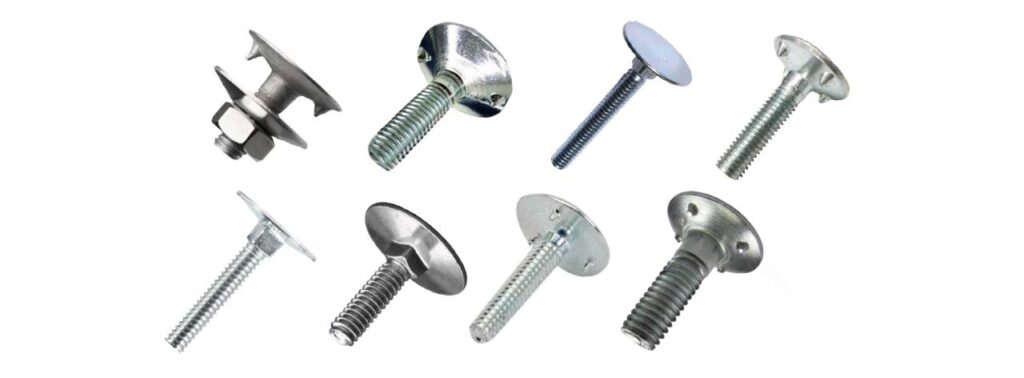
Boulons de godet d’élévateur are specially designed bolts used to attach buckets to conveyor belts in bucket elevator systems. These systems are widely used in industries such as agriculture, mining, cement, and food processing.
Unlike regular bolts, these are engineered to handle constant movement, heavy loads, and harsh environments. They usually feature a flat or low-profile head to prevent damage to belts and ensure smooth operation.
Why Are They Important in Elevator Systems?
1. Secure Attachment
These bolts keep the buckets firmly attached to the belt, preventing them from loosening or falling off during operation.
2. Smooth Operation
Their design minimizes interference with the belt, allowing the system to run efficiently without unnecessary friction.
3. Safety Assurance
Loose or poor-quality bolts can lead to equipment failure. Properly installed bolts reduce the risk of accidents and downtime.
4. Durability
They are made to withstand wear and tear, even in demanding industrial environments.
Key Components and Design Features
Understanding the structure of these bolts can help you choose the right type:
- Head Design: Usually flat or countersunk to avoid belt damage
- Shank: Provides strength and holds the bucket in place
- Threading: Ensures a tight and secure fit
- Material: Often made from steel, stainless steel, or coated metals for corrosion resistance
Each feature is designed to improve performance and extend the life of the system.
Types of Boulons de godet d’élévateur
1. Flat Head Bolts
These are the most commonly used and are ideal for minimizing wear on belts.
2. Mushroom Head Bolts
They offer a larger surface area and better grip, especially in heavy-duty applications.
3. Countersunk Bolts
Designed to sit flush with the belt surface, reducing friction and improving efficiency.
4. High-Strength Bolts
Used in industries where heavy loads and high speeds are involved.
How to Choose the Right Bolts
Choosing the right bolts doesn’t have to be complicated. Here are some simple factors to consider:
1. Application Type
Think about where the system is used. Is it for light agricultural use or heavy industrial work?
2. Material Compatibility
Choose a material that matches your environment. For example, stainless steel works well in humid or corrosive conditions.
3. Size and Fit
Make sure the bolt size matches your bucket and belt specifications.
4. Load Capacity
Always consider how much weight the system will carry.
5. Environmental Conditions
Dust, moisture, and temperature can affect performance, so choose accordingly.
Installation Tips for Beginners
Proper installation is key to ensuring long-term performance. Follow these simple steps:
Step 1: Prepare the Belt
Make sure the belt is clean and properly aligned.
Step 2: Position the Bucket
Place the bucket in the correct position on the belt.
Step 3: Insert the Bolt
Carefully insert the bolt through the bucket and belt.
Step 4: Tighten Securely
Use the right tools to tighten the bolt without over-tightening.
Step 5: Check Alignment
Ensure everything is aligned properly before running the system.
Common Mistakes to Avoid
Even small mistakes can lead to bigger problems. Here are a few to watch out for:
- Using the wrong bolt size
- Over-tightening or under-tightening
- Ignoring regular maintenance
- Choosing low-quality materials
- Improper alignment during installation
Steering clear of these errors can help conserve time, money, and energy over time.
Maintenance and Care
Regular maintenance helps extend the life of your bolts and the entire system.
Routine Checks
Regularly examine the bolts for any wear, rust, or looseness.
Tightening
Check and tighten the bolts as needed, particularly following intensive use.
Replacement
Replace damaged or worn-out bolts immediately to avoid system failure.
Cleaning
Keep the system clean to prevent buildup that can affect performance.
Signs You Need Replacement
Knowing when to replace bolts is crucial. Look out for:
- Visible wear or damage
- Rust or corrosion
- Loose buckets
- Unusual noise during operation
- Reduced system efficiency
If you notice any of these signs, it’s time to take action.
Benefits of Using High-Quality Bolts
Investing in good-quality bolts offers several advantages:
- Longer lifespan
- Better performance
- Reduced maintenance costs
- Improved safety
- Higher efficiency
Quality components may cost more upfront but save money over time.
Applications Across Industries
Boulons de godet d’élévateur are used in various sectors, including:
- Agriculture (grain handling)
- Mining (material transport)
- Cement production
- Food processing
- Chemical industries
Their versatility makes them an essential component in many operations.
Conclusion
Boulons de godet d’élévateur may seem like a small part of a larger system, but they play a crucial role in ensuring smooth, safe, and efficient operation. For beginners, understanding their function, types, and maintenance needs can make a big difference in system performance.
By choosing the right bolts, installing them correctly, and maintaining them regularly, you can extend the life of your equipment and avoid costly downtime. Keep things simple, stay consistent with checks, and always prioritize quality over shortcuts.
FAQs
What makes these bolts different from regular bolts?
They are specifically designed for bucket elevator systems and can handle constant motion and heavy loads.
How often should they be checked?
It’s best to inspect them regularly, depending on usage—monthly checks are a good starting point.
Can I reuse old bolts?
It’s not recommended, especially if they show signs of wear or damage.
What material is best?
It depends on your environment. Stainless steel is great for corrosion resistance.