
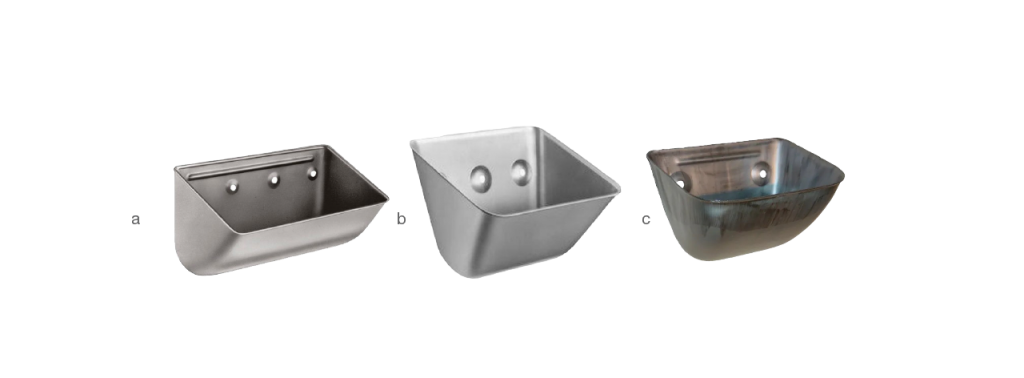
Czerpaki do podnośników kubełkowych are buckets used in vertical transport systems to move bulk materials like grains, cement, and minerals. The right material and design improve efficiency, reduce wear, and lower maintenance costs.
What Are Czerpaki do Podnośników Kubełkowych?
Czerpaki do podnośników kubełkowych are specially designed containers attached to belts or chains in bucket elevators. Their main function is to lift materials vertically and discharge them at a specific height.
These buckets are widely used in industries where continuous material handling is required.
Simple definition:
They are durable buckets that carry bulk materials upward in industrial systems.
Why Material Selection Matters
The performance of czerpaki do podnośników kubełkowych depends heavily on the material used. A wrong choice can lead to:
- Frequent damage
- High maintenance cost
- Reduced system efficiency
Choosing the correct material ensures longer life and better performance.
Types of Materials Used
Steel Buckets
Steel is the most common choice for heavy-duty operations.
Key benefits:
- Strong and impact-resistant
- Suitable for rough materials
- Long-lasting in tough environments
Best use cases:
- Cement plants
- Mining industries
Limitation:
Can rust without proper coating.
Stainless Steel Buckets
Stainless steel is used where cleanliness and corrosion resistance are important.
Key benefits:
- Rust-resistant
- Hygienic
- Easy to maintain
Best use cases:
- Food processing
- Chemical industries
Limitation:
Higher cost compared to regular steel.
Plastic Buckets (HDPE, Nylon, Polyurethane)
Plastic czerpaki do podnośników kubełkowych are lightweight and efficient.
Key benefits:
- Corrosion-free
- Energy saving due to low weight
- Smooth surface reduces material sticking
Best use cases:
- Agriculture
- Fertilizer handling
Limitation:
Not suitable for high-temperature or heavy impact environments.
Cast Iron Buckets
Used in extreme industrial conditions.
Key benefits:
- Very strong
- High wear resistance
Best use cases:
- High-temperature operations
- Abrasive materials
Limitation:
Heavy and costly.
Key Durability Factors
1. Wear Resistance
If materials are abrasive, buckets wear out faster. Choosing wear-resistant materials extends lifespan.
2. Corrosion Protection
Moisture and chemicals can damage buckets quickly.
Best solutions:
- Use stainless steel
- Apply coatings
- Choose plastic options
3. Thickness of Material
Thicker buckets last longer but increase system weight.
Tip:
Always balance strength and efficiency.
4. Temperature Handling
High temperatures can weaken materials.
Important:
Check the operating temperature before selecting buckets.
5. Impact Strength
Buckets must handle continuous loading without cracking.
Steel is best for high-impact conditions.
Design Features That Improve Performance
Bucket Shape
Different shapes are used for different materials:
- Deep buckets for heavy loads
- Shallow buckets for faster movement
- Special shapes for smooth discharge
Bucket Size
Larger buckets increase capacity but must match system speed.
Bucket Spacing
Correct spacing improves efficiency and reduces material loss.
Mounting System
- Belt system: quieter and energy-efficient
- Chain system: stronger for heavy-duty use
Performance Tips for Better Efficiency
Choose the Right Bucket Type
Always match the bucket type with:
- Material being handled
- Environmental conditions
- Load capacity
Maintain Proper Alignment
Misalignment causes uneven wear and reduces lifespan.
Avoid Overloading
Overloading leads to:
- Bucket damage
- Material spillage
- System failure
Perform Regular Inspection
Check for:
- Cracks
- Wear
- Loose fittings
Routine inspection prevents major breakdowns.
Replace Buckets on Time
Worn buckets reduce system efficiency and increase risk of failure.
Optimize System Speed
Correct speed ensures smooth operation and reduces wear.
Common Problems and Solutions
Cracking of Buckets
Cause: High impact or poor material
Solution: Use stronger materials and reduce load impact
Material Spillage
Cause: Improper spacing or overloading
Solution: Adjust spacing and control feeding
Fast Wear
Cause: Abrasive materials
Solution: Use wear-resistant materials
Corrosion Issues
Cause: Moisture or chemicals
Solution: Use coated or stainless materials
Industry Applications
Czerpaki do podnośników kubełkowych are used in:
- Agriculture (grain, seeds)
- Construction (cement, sand)
- Food industry (sugar, flour)
- Mining (ores, coal)
Each application requires specific material and design choices.
Future Trends
Modern systems are focusing on:
- Lightweight materials
- Energy efficiency
- Smart monitoring systems
- Advanced coatings for durability
These trends help reduce costs and improve performance.
Final Summary
Czerpaki do podnośników kubełkowych are critical for efficient material handling. The right material, proper design, and regular maintenance can greatly improve performance and durability.
Key points:
- Select material based on application
- Focus on durability factors
- Maintain regular checks
- Optimize system design
By following these simple steps, you can ensure long-lasting and efficient operation of your bucket elevator system.
FAQ Section
What are czerpaki do podnośników kubełkowych used for?
They are used to transport bulk materials vertically in industries like agriculture, mining, and construction.
Which material is best for bucket elevators?
It depends on the application. Steel is best for heavy-duty use, while plastic is ideal for lightweight materials.
How to increase bucket lifespan?
Use the right material, maintain proper alignment, and perform regular inspections.
Why do buckets wear out quickly?
Main reasons include abrasive materials, overloading, and poor material selection.