
India is growing upward. With rapid urbanization and limited land availability, cities like Mumbai, Pune, Bangalore, and Delhi are seeing a rise in high-rise buildings. Elevators are now a basic necessity in residential apartments, offices, malls, and hospitals.
While people notice elevator speed and design, the real strength lies in the unseen components. One of the most important among them is the elevator bolt.
So, why do elevator bolts matter so much?
Because they directly impact safety, performance, and long-term reliability.
What Are Elevator Bolts and How Do They Work?
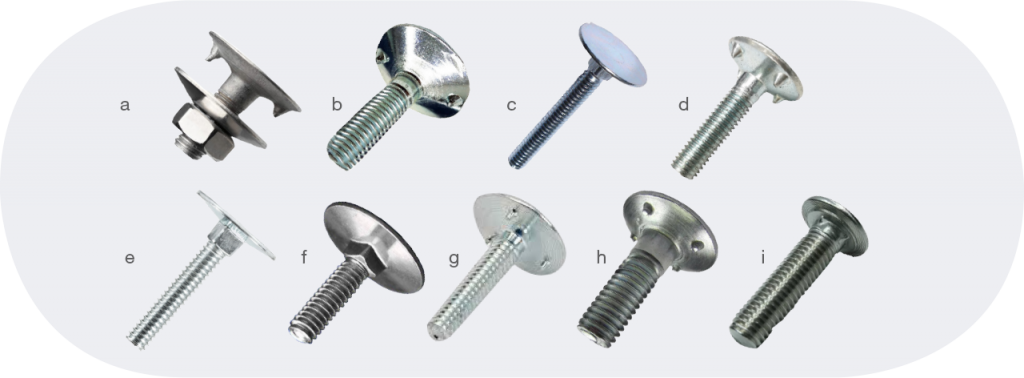
Elevator bolts are specialized fasteners designed for high-load and high-vibration environments.
They are different from regular bolts because they:
- Have a wide, flat head for better grip
- Feature a square neck to prevent rotation
- Are built for long-term stability
How do they work?
They hold together key elevator parts such as:
- Cabin structure
- Guide rails
- Door mechanisms
By keeping these components tightly connected, they ensure smooth and safe elevator movement.
Why Do Elevator Bolts Matter in High-Rise Buildings?
1. They Ensure Passenger Safety
Short answer: Elevator bolts keep critical parts securely fastened, preventing failures.
In high-rise buildings, elevators operate continuously. If even one important connection becomes loose, it can create safety risks.
Strong and properly installed bolts:
- Prevent structural failures
- Keep the cabin stable
- Reduce accident risks
2. They Handle Heavy Loads Efficiently
Short answer: Elevator bolts are designed to carry high and variable loads.
Elevators transport:
- People
- Furniture
- Equipment
This creates constant stress on components. Elevator bolts are engineered to:
- Withstand pressure
- Manage load distribution
- Maintain strength over time
3. They Resist Vibration and Movement
Short answer: They stay tight even under constant motion.
Elevators move up and down multiple times daily, creating vibration. Regular bolts may loosen, but elevator bolts are designed to:
- Stay fixed
- Reduce wear and tear
- Improve system stability
4. They Improve Durability in Indian Conditions
Short answer: High-quality bolts resist corrosion and environmental damage.
India’s climate varies widely:
- Coastal humidity
- Urban dust
- Heat fluctuations
Good elevator bolts use materials like stainless steel or coated alloys to:
- Prevent rust
- Increase lifespan
- Reduce replacements
5. They Support Regulatory Compliance
Short answer: Proper bolts help meet safety standards.
Elevator systems in India must follow strict safety and engineering guidelines. Using the right fasteners ensures:
- Easier inspections
- Legal compliance
- Reliable performance
Elevator Bolts vs Regular Bolts
| Feature | Elevator Bolts | Regular Bolts |
|---|---|---|
| Design | Flat head, square neck | Standard head |
| Load Capacity | High | Moderate |
| Vibration Resistance | Strong | Low |
| Usage | Safety-critical systems | General use |
| Durability | Long-lasting | Varies |
Conclusion: Elevator bolts are specifically engineered for safety and performance, unlike general-purpose bolts.
Role in India’s Construction Boom
India’s infrastructure growth is driving demand for reliable elevator systems.
Where They Are Used:
- High-rise apartments
- Commercial buildings
- Hospitals
- Metro stations
- Shopping malls
Real-world example:
In a 20+ floor residential tower, elevators run hundreds of times daily. Without strong fastening systems, frequent breakdowns and safety risks would increase.
Elevator bolts ensure:
- Continuous operation
- Reduced downtime
- Better user experience
How to Choose the Right Elevator Bolts
Choosing the correct bolt is critical for performance.
1. Material Matters
Use corrosion-resistant materials like:
- Stainless steel
- Zinc-coated alloys
2. Check Load Capacity
Ensure the bolt can handle expected stress and weight.
3. Correct Size and Fit
Improper sizing can weaken the entire system.
4. Quality Certification
Always choose products that meet engineering and safety standards.
Common Challenges in the Indian Market
Despite growing awareness, some issues remain:
1. Low-Quality Products
Cheap or counterfeit bolts can fail under stress.
2. Cost-Cutting Practices
Some builders compromise on quality to reduce expenses.
3. Lack of Awareness
Not all stakeholders understand the importance of specialized fasteners.
Solution:
Education and stricter quality control can improve overall safety.
Future of Elevator Components in India
The future looks promising with advancements in:
- Smart elevators
- Automated systems
- High-strength materials
As buildings get taller and smarter, the demand for:
- Reliable fasteners
- High-performance components
will continue to grow.
Elevator bolts will remain a key part of this evolution.
Key Takeaways
- Elevator bolts are essential for elevator safety and stability
- They are designed for high load and vibration conditions
- High-quality materials improve durability and lifespan
- They play a critical role in India’s growing high-rise infrastructure
- Choosing the right bolts reduces maintenance and safety risks
Conclusion
Elevator bolts may seem like minor components, but they are fundamental to the functioning of modern elevators. In India’s rapidly growing skyline, their importance is greater than ever.
From ensuring passenger safety to supporting heavy loads and reducing maintenance, these small fasteners carry a big responsibility.
Investing in the right elevator bolts is not just a technical choice—it is a step toward safer and more reliable infrastructure.