
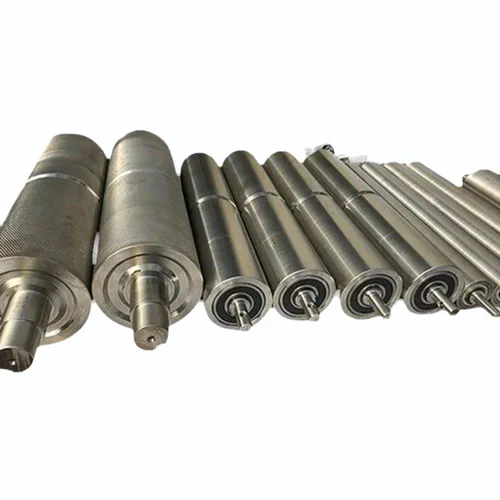
Conveyor systems are an essential part of many industries, from manufacturing to warehousing. At the heart of these systems are conveyor belt rollers, which play a key role in moving materials smoothly and efficiently. If you are planning to invest in a conveyor system or upgrade an existing one, understanding rollers is very important.
This guide will give you a clear and simple overview of conveyor belt rollers, their types, uses, and what you should consider before buying.
What Are Conveyor Belt Rollers?
Conveyor belt rollers are cylindrical components that help move a conveyor belt or the materials placed on it. They are usually placed along the length of the conveyor system and allow the belt to rotate smoothly.
In simple terms, rollers reduce friction and support the belt, making it easier to transport goods from one place to another.
Why Are Conveyor Belt Rollers Important?
Rollers may look like small parts, but they have a big impact on performance. Here’s why they matter:
- Smooth Movement: They ensure materials move without interruption
- Reduced Wear and Tear: Good rollers extend the life of the conveyor belt
- Energy Efficiency: Less friction means lower power consumption
- Load Support: They help carry heavy loads safely
Choosing the right rollers can improve productivity and reduce maintenance costs.
Types of Conveyor Belt Rollers
There are several types of rollers available, each designed for specific applications.
1. Carrying Rollers
These rollers hold up the conveyor belt and carry the materials moving on it. They are the most widely used type in conveyor systems.
2. Return Rollers
Placed on the underside of the conveyor, these rollers support the empty belt as it returns to the starting point.
3. Impact Rollers
These are used in loading areas where materials drop onto the belt. They are designed to absorb shock and prevent damage.
4. Trough Rollers
These rollers are arranged in a way that forms a trough shape. This helps keep materials centered on the belt, especially useful for bulk handling.
5. Guide Rollers
Guide rollers help keep the belt aligned and prevent it from moving sideways.
Materials Used in Conveyor Belt Rollers
The material of the roller affects its durability and performance. Common materials include:
- Steel: Strong and durable, ideal for heavy-duty use
- Stainless Steel: Resistant to corrosion, suitable for food and chemical industries
- Plastic: Lightweight and cost-effective, used for lighter loads
- Rubber-Coated Rollers: Provide extra grip and reduce noise
Choosing the right material depends on your industry and working conditions.
Key Factors to Consider Before Buying
Before purchasing conveyor belt rollers, consider the following factors:
1. Load Capacity
Make sure the rollers can handle the weight of your materials. Overloading can lead to damage and frequent breakdowns.
2. Roller Size and Diameter
The size of the roller affects the speed and efficiency of the conveyor. Larger rollers are better for heavy loads.
3. Environment Conditions
If your system operates in extreme conditions (heat, moisture, dust), choose rollers that can withstand those environments.
4. Maintenance Requirements
Some rollers require regular maintenance, while others are designed to be maintenance-free. Choose based on your operational needs.
5. Noise Level
If your workplace requires a quiet environment, consider rollers with noise-reducing features.
6. Cost vs Quality
While cheaper rollers may save money initially, high-quality rollers often last longer and reduce long-term costs.
Common Applications of Conveyor Belt Rollers
Conveyor belt rollers are used in many industries, including:
- Manufacturing Plants
- Warehouses and Distribution Centers
- Mining and Quarrying
- Food Processing Units
- Airports (baggage handling systems)
Their versatility makes them a key component in modern industrial operations.
Maintenance Tips for Longer Life
Proper maintenance can extend the life of your rollers and improve system efficiency.
- Regular Cleaning: Remove dust and debris to avoid blockages
- Check Alignment: Misaligned rollers can damage the belt
- Lubrication: Ensure bearings are properly lubricated
- Inspect for Damage: Replace worn-out rollers immediately
- Monitor Noise: Unusual sounds can indicate problems
Routine checks can prevent costly downtime.
Signs You Need to Replace Rollers
Knowing when to replace rollers can save time and money. Watch for these signs:
- Excessive noise during operation
- Visible wear or damage
- Reduced conveyor performance
- Belt misalignment issues
- Increased energy consumption
Replacing faulty rollers early prevents bigger problems.
Benefits of Choosing the Right Conveyor Belt Rollers
When you select the right rollers, you get:
- Better efficiency
- Lower maintenance costs
- Improved safety
- Longer equipment life
- Smooth material handling
Investing in quality rollers is always a smart decision.
Conclusion
Conveyor belt rollers are a critical part of any conveyor system. Even though they may seem simple, they have a huge impact on performance, durability, and efficiency.
By understanding the different types, materials, and factors to consider, you can make a better buying decision. Always focus on quality, compatibility, and long-term value rather than just price.
Whether you are setting up a new system or upgrading an old one, the right rollers will help you achieve smooth and reliable operations.
FAQs
1. What are conveyor belt rollers used for?
Conveyor belt rollers are used to support and move conveyor belts, allowing materials to be transported efficiently.
2. How do I choose the right conveyor belt rollers?
Consider load capacity, material, size, environment, and maintenance needs before choosing rollers.
3. How long do conveyor belt rollers last?
The lifespan depends on usage and maintenance, but high-quality rollers can last several years.
4. What is the difference between carrying rollers and return rollers?
Carrying rollers support the loaded belt, while return rollers support the empty belt on its way back.
5. Can conveyor belt rollers be repaired?
Some rollers can be repaired, but in many cases, replacing them is more cost-effective.
6. Are plastic rollers better than steel rollers?
It depends on the application. Plastic rollers are lighter and quieter, while steel rollers are stronger and better for heavy loads.