
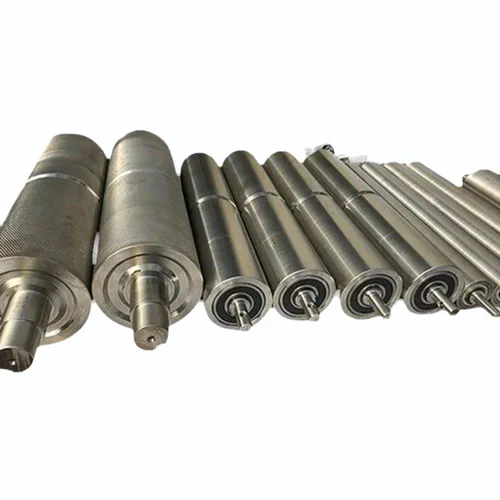
In today’s fast-moving industrial world, smooth material handling is the backbone of productivity. One small yet powerful component makes this possible — Conveyor Belt Rollers. Though often overlooked, these rollers play a critical role in keeping conveyor systems running efficiently, safely, and cost-effectively.
This guide will help you understand everything about conveyor belt rollers in a simple and practical way. Whether you work in manufacturing, mining, logistics, or warehousing, this article will give you clear insights to make better decisions.
What Are Conveyor Belt Rollers?
Conveyor belt rollers are cylindrical components installed along a conveyor frame to support and guide the conveyor belt. They help move materials smoothly from one point to another.
Without rollers, conveyor belts would sag, create friction, and wear out quickly. Rollers reduce resistance and ensure steady belt movement.
Why Are Conveyor Belt Rollers Important?
Here’s why they matter:
- Reduce friction and energy consumption
- Support heavy loads
- Prevent belt misalignment
- Increase conveyor lifespan
- Improve overall efficiency
A small issue with rollers can stop the entire system.
Types of Conveyor Belt Rollers
Understanding different types helps you select the right roller for your application.
Carrying Rollers
These rollers support the loaded belt. They are placed on the upper side of the conveyor. Their main job is to handle weight and keep materials stable during movement.
Return Rollers
Installed on the bottom side of the conveyor, return rollers support the empty belt as it travels back.
Impact Rollers
Used at loading points, these rollers absorb shock from falling materials. They usually have rubber rings to reduce damage.
Troughing Rollers
These rollers form a trough shape to hold bulk materials like coal, sand, or grain. They prevent spillage and improve carrying capacity.
Guide Rollers
They prevent the belt from moving sideways and help maintain alignment.
Materials Used in Conveyor Belt Rollers
The performance of conveyor belt rollers depends largely on the material used.
🔹 Steel Rollers
- Strong and durable
- Ideal for heavy-duty applications
- Common in mining and construction
🔹 Rubber-Coated Rollers
- Reduce noise
- Absorb shock
- Protect the belt surface
🔹 HDPE (Plastic) Rollers
- Lightweight
- Corrosion resistant
- Good for wet or chemical environments
Choosing the right material improves system efficiency and reduces maintenance costs.
How to Choose the Right Conveyor Belt Rollers
Selecting the correct rollers depends on several factors:
1. Load Capacity
Understand the weight your conveyor will carry. Heavy loads require stronger rollers.
2. Belt Speed
High-speed systems need rollers with high-quality bearings.
3. Environmental Conditions
Dust, moisture, and temperature affect roller performance.
4. Maintenance Requirements
Choose rollers that are easy to maintain and replace.
5. Industry Application
Different industries have different needs. For example:
- Mining requires impact-resistant rollers.
- Food industries may need corrosion-resistant materials.
Benefits of High-Quality Conveyor Belt Rollers
Investing in good rollers brings long-term benefits:
- Lower energy costs
- Reduced downtime
- Longer belt life
- Less noise
- Improved safety
Cheap rollers may save money initially but often lead to frequent breakdowns and higher repair costs.
Common Problems and Solutions
Understanding common issues helps prevent system failure.
❌ Roller Seizing
Cause: Poor bearing quality
Solution: Use sealed, high-quality bearings
❌ Belt Misalignment
Cause: Uneven roller placement
Solution: Regular inspection and proper installation
❌ Excessive Noise
Cause: Worn-out rollers
Solution: Replace damaged rollers immediately
❌ Material Build-Up
Cause: Sticky materials
Solution: Use self-cleaning or rubber disc rollers
Regular maintenance is key to avoiding costly repairs.
Maintenance Tips for Longer Roller Life
Here are simple maintenance practices:
- Inspect rollers regularly
- Check for unusual noise
- Clean debris buildup
- Lubricate bearings if required
- Replace damaged rollers quickly
Preventive maintenance increases operational efficiency and reduces unexpected downtime.
Industries That Use Conveyor Belt Rollers
Conveyor systems are used in many industries, such as:
- Mining
- Cement plants
- Warehousing
- Agriculture
- Food processing
- Manufacturing
In each of these industries, rollers ensure smooth and continuous material flow.
Latest Trends in Conveyor Belt Roller Technology
Modern conveyor systems are becoming smarter and more efficient. Some trends include:
✅ Energy-Efficient Rollers
Designed to reduce rolling resistance and save power.
✅ Smart Monitoring Systems
Sensors detect roller failure before breakdown occurs.
✅ Lightweight Designs
Reduce load on the motor and improve system efficiency.
Final Thoughts
Conveyor Belt Rollers may look like small components, but they are essential for smooth and efficient material handling. Choosing the right type, maintaining them properly, and investing in quality products can significantly improve performance and reduce costs.
If your conveyor system is the heart of your operation, then rollers are the muscles that keep it moving. Paying attention to these components ensures long-term reliability and higher productivity.
When selecting rollers, always consider load, environment, and application needs. A well-designed conveyor system with high-quality rollers can transform your operational efficiency.