
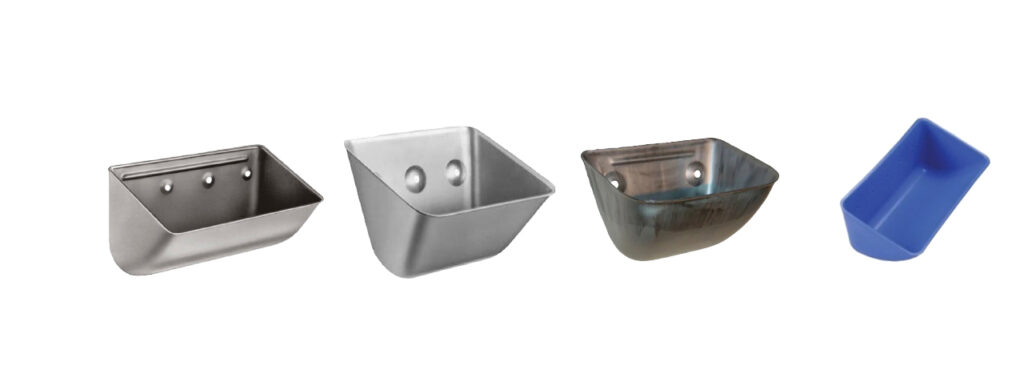
In industries where bulk materials need to be moved vertically, elevator buckets play a critical role. From grain silos to cement plants, these small but powerful components keep production lines moving smoothly and efficiently. Yet, despite their importance, elevator buckets are often overlooked until something goes wrong.
This comprehensive guide covers everything you need to know about elevator buckets — how they work, their types, materials, applications, selection criteria, maintenance, and common issues — structured for clear understanding and practical use.
What Are Elevator Buckets?
Elevator buckets are containers attached to a belt or chain system in a bucket elevator. Their primary purpose is to lift bulk materials vertically from one level to another.
You’ll commonly find them in industries handling:
- Agricultural grains
- Cement and aggregates
- Fertilizers
- Mining materials
- Food processing powders
- Chemicals
Each bucket scoops material at the bottom of the elevator, carries it upward, and discharges it at the top through centrifugal force or gravity.
Companies like R-E Industry understand that choosing the right bucket design directly impacts efficiency, product safety, and long-term operating costs.
How Do Elevator Buckets Work?
Elevator buckets operate as part of a bucket elevator system. The system consists of:
- Buckets
- Belt or chain
- Head pulley
- Boot section
- Drive motor
The process works like this:
- Material enters the boot section.
- Buckets scoop up the material.
- The belt or chain lifts the buckets upward.
- At the head pulley, material is discharged.
- Empty buckets return downward for another cycle.
The design ensures continuous movement, making bucket elevators ideal for high-capacity vertical transport.
Types of Elevator Buckets
Selecting the right type of elevator bucket depends on material characteristics and operational needs.
1. Agricultural Buckets
These are commonly used in grain handling. They typically feature:
- Deeper design
- Smooth surfaces
- High capacity
They reduce grain damage and spillage.
2. Industrial Buckets
Designed for heavy-duty applications like cement and aggregates, these buckets are:
- Thicker
- More durable
- Resistant to abrasion
They are built to handle rough materials.
3. Heavy-Duty Buckets
Used in mining and extreme environments, these buckets are reinforced to withstand impact and high wear conditions.
4. Special-Purpose Buckets
Some industries require custom designs for:
- Food-grade handling
- Chemical resistance
- High-temperature environments
In such cases, material compatibility becomes crucial.
Materials Used in Elevator Buckets
The performance and lifespan of elevator buckets largely depend on the material used in manufacturing.
Steel Buckets
Steel buckets are widely used in heavy industrial applications. They offer:
- High strength
- Excellent durability
- Resistance to impact
However, they may corrode in humid environments if not properly treated.
Stainless Steel Buckets
Ideal for food processing and chemical industries, stainless steel provides:
- Corrosion resistance
- Hygienic surface
- Long service life
Plastic Buckets
Plastic elevator buckets are increasingly popular in agricultural and food sectors. Benefits include:
- Lightweight structure
- Rust resistance
- Reduced belt wear
- Lower noise
High-density polyethylene (HDPE) and nylon are common choices.
Key Applications Across Industries
Elevator buckets are essential in several industries.
Agriculture
In grain handling systems, they are used to move wheat, corn, rice, and other cereals efficiently without causing damage.
Cement Industry
In cement plants, buckets transport clinker, limestone, and powdered materials between processing stages.
Mining
Mining operations rely on heavy-duty elevator buckets to move ores and crushed minerals vertically.
Food Processing
Flour mills and feed mills use specially designed buckets that comply with hygiene standards.
Factors to Consider When Choosing Elevator Buckets
Choosing the right elevator bucket is not just about size. Several factors must be evaluated carefully.
1. Material Characteristics
Consider:
- Abrasiveness
- Moisture content
- Temperature
- Particle size
- Flow properties
For example, abrasive materials require thicker or reinforced buckets.
2. Bucket Size and Capacity
Capacity determines how much material each bucket can carry. Larger buckets increase throughput but may require stronger belts and motors.
3. Speed of Operation
High-speed systems require buckets designed for centrifugal discharge. Slower systems often use gravity discharge buckets.
4. Environment
If the system operates outdoors or in humid areas, corrosion resistance becomes critical.
5. Compliance Requirements
Food and pharmaceutical industries must follow strict safety and hygiene regulations. The material and design must comply with industry standards.
Advantages of Using Elevator Buckets
Elevator buckets provide several operational benefits.
Efficient Vertical Transport
They maximize vertical space and minimize horizontal footprint.
High Capacity
Modern systems can handle thousands of tons per hour.
Reduced Spillage
Properly designed buckets minimize product loss.
Energy Efficiency
Compared to some alternative conveying systems, bucket elevators consume relatively low energy for vertical transport.
Common Problems and How to Prevent Them
Like any mechanical component, elevator buckets can experience issues.
1. Bucket Wear
Abrasive materials can wear down bucket surfaces. Preventive steps include:
- Choosing wear-resistant materials
- Regular inspection
- Replacing worn buckets promptly
2. Misalignment
Improper alignment can cause uneven wear and spillage. Routine system checks help avoid this issue.
3. Cracking or Breakage
Overloading or impact damage can crack buckets. Ensure correct capacity usage and select heavy-duty options when needed.
4. Corrosion
In humid or chemical environments, corrosion can shorten bucket life. Stainless steel or corrosion-resistant plastic can solve this problem.
Maintenance Tips for Long-Term Performance
Routine maintenance increases the lifespan of elevator buckets and improves safety.
Inspect Regularly
Check for:
- Cracks
- Wear patterns
- Loose bolts
- Belt alignment
Clean Accumulated Material
Material buildup can reduce efficiency and cause imbalance.
Replace in Sets When Needed
If several buckets show wear, replacing them together ensures balanced performance.
Monitor Fasteners
Loose bolts can lead to catastrophic failure. Tighten and inspect regularly.
Safety Considerations
Safety is a priority in any material handling system.
- Install proper guards around moving parts.
- Follow lockout procedures during maintenance.
- Avoid overloading the system.
- Use explosion-resistant buckets in dust-prone environments.
Dust explosions in grain and powder industries can be hazardous, so appropriate bucket materials and grounding systems are essential.
Innovations in Elevator Bucket Design
Modern manufacturing has introduced improvements such as:
- Anti-static plastic buckets
- Flame-retardant materials
- Increased wear resistance
- Optimized discharge designs
These advancements improve efficiency, safety, and durability.
Final Thoughts
Elevator buckets may seem like small components in large industrial systems, but their role is fundamental. The right bucket improves efficiency, reduces downtime, enhances safety, and protects product quality.
Understanding the types, materials, applications, and maintenance requirements allows businesses to make informed decisions. Whether you operate a grain facility, cement plant, or food processing unit, selecting the correct elevator bucket ensures smooth vertical material handling and long-term reliability.
By investing in the right design and maintaining it properly, you safeguard productivity and minimize costly disruptions.
Frequently Asked Questions
What is the lifespan of elevator buckets?
It depends on material type and usage conditions. Plastic buckets in grain applications may last several years, while steel buckets in mining may require more frequent replacement due to abrasion.
Can elevator buckets handle hot materials?
Yes, but material selection is critical. High-temperature steel or specially designed buckets are required.
How do I know when to replace elevator buckets?
Signs include visible cracks, excessive thinning, uneven wear, or recurring spillage problems.
Are plastic buckets strong enough for industrial use?
For many agricultural and light industrial applications, high-quality plastic buckets provide sufficient strength. For heavy mining, steel remains preferable.