
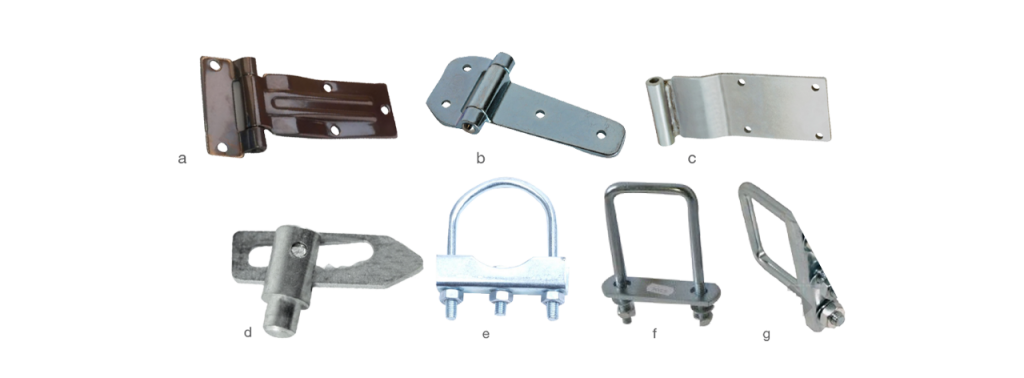
The Indian automotive and transport industry has grown rapidly over the last decade. Along with it, the demand for Trailer Parts India has increased not only within the country but also across international markets. Indian manufacturers are now supplying axles, suspension systems, braking components, landing legs, kingpins, and other trailer components to buyers in Asia, Africa, the Middle East, and even Europe.
With competitive pricing, improving quality standards, and strong manufacturing capacity, India is becoming a reliable sourcing hub for trailer components. In this blog, we will explore why export opportunities in Trailer Parts India are expanding, which markets are growing, and how businesses can take advantage of this global demand.
What makes Trailer Parts India competitive in the global market?
Trailer Parts India are competitive because of:
- Cost-effective manufacturing
- Skilled labour
- Strong steel and raw material availability
- Improved quality certifications
- Flexible production capacity for bulk orders
Indian manufacturers offer international-level quality at affordable prices, which attracts overseas buyers.
Which countries import Trailer Parts India?
Major export markets include:
- UAE and other Middle East countries
- African nations like Kenya and Nigeria
- Bangladesh and Sri Lanka
- Southeast Asian markets
- Select European buyers
These regions are expanding their logistics and construction sectors, increasing demand for trailer components.
Which trailer parts are most exported from India?
The most commonly exported Trailer Parts India include:
- Trailer axles
- Mechanical and air suspension systems
- Brake chambers and braking assemblies
- Landing legs
- Fifth wheels and kingpins
- Leaf springs
These products are essential for heavy transport and infrastructure-related vehicles.
Understanding the Global Demand for Trailer Parts India
Global trade, infrastructure projects, mining operations, and logistics expansion are driving the need for trailers worldwide. As countries develop highways, ports, and industrial zones, the demand for transport vehicles increases. Every trailer requires durable and reliable components.
India has positioned itself as a trusted supplier due to:
- Large-scale production units
- Ability to customize products
- Faster delivery timelines
- Competitive export pricing
Many global buyers prefer sourcing from India because they receive quality products without the high costs associated with Western markets.
Why Trailer Parts India Are Gaining Global Trust
1. Improved Manufacturing Standards
Indian manufacturers now follow strict quality control processes. Many exporters comply with ISO certifications and international testing standards. This gives confidence to overseas distributors and fleet owners.
2. Strong Engineering Capability
Indian companies invest in research and development. Advanced machinery and testing facilities ensure that Trailer Parts India meet global load and durability requirements.
3. Price Advantage
One of the biggest reasons for export growth is pricing. Labor costs and raw material sourcing advantages allow Indian suppliers to offer competitive rates without compromising quality.
4. Flexible Production
Indian manufacturers can handle both small and large bulk orders. This flexibility makes them ideal partners for international distributors.
Key Export Markets for Trailer Parts India
Middle East
The Middle East region has high demand for heavy-duty trailers used in oil, gas, and construction industries. Countries such as the UAE and Saudi Arabia import suspension systems, axles, and brake components from India.
Africa
African countries are investing heavily in road infrastructure and mining. Durable trailer components are essential in these sectors. Indian exporters benefit from strong trade relations and affordable pricing.
South Asia
Neighbouring countries like Bangladesh and Sri Lanka often source Trailer Parts India due to geographic proximity and cost advantages.
Emerging European Demand
Some European buyers are exploring Indian suppliers to reduce procurement costs while maintaining quality standards.
Most Promising Product Segments in Trailer Parts India
Trailer Axles
Axles are among the highest-demand export products. Heavy-duty and multi-axle systems designed for high load capacity are particularly popular.
Suspension Systems
Both mechanical and air suspension systems are in strong demand. Buyers look for durable systems that can handle rough road conditions.
Brake Components
Brake chambers, slack adjusters, and full braking assemblies are critical for safety. Indian manufacturers produce reliable braking parts that meet international norms.
Landing Legs and Coupling Systems
These parts are essential for trailer stability and connection. They are widely exported to fleet operators and trailer manufacturers worldwide.
Government Support for Export Growth
The Indian government promotes exports through various incentives and schemes. Exporters of Trailer Parts India benefit from:
- Export promotion councils
- Duty drawback schemes
- Free trade agreements with certain countries
- Simplified export documentation processes
These measures make exporting smoother and more profitable.
Challenges in Exporting Trailer Parts India
While the opportunities are strong, exporters also face challenges:
- Global competition from China and other manufacturing hubs
- Freight cost fluctuations
- Changing international regulations
- Currency exchange risks
To succeed, companies must focus on consistent quality, timely delivery, and strong communication with international buyers.
How Businesses Can Enter the Export Market
If you are a manufacturer or supplier of Trailer Parts India, here are simple steps to enter global markets:
1. Obtain Required Certifications
Make sure your products comply with global quality and safety standards.
2. Build a Strong Online Presence
Create a professional website optimized for keywords like Trailer Parts India, trailer axle exporters, and suspension system manufacturers.
3. Participate in Trade Fairs
International automotive expos and transport exhibitions help connect with global buyers.
4. Register on B2B Platforms
Listing products on global trade platforms increases visibility.
5. Focus on Long-Term Relationships
Consistent supply and good after-sales support build trust with overseas clients.
The Future of Trailer Parts India in Global Trade
The future looks promising. As developing nations continue building roads, ports, and logistics networks, demand for trailers will grow. With strong engineering capability and cost advantages, Trailer Parts India are expected to gain a larger share of the global market.
Technological improvements such as lightweight materials, better suspension systems, and advanced braking technology will further strengthen India’s position.
Export-oriented companies that invest in quality control, branding, and international marketing will see long-term success.
Conclusion
Companies like R-E Industry are playing an important role in strengthening India’s trailer parts sector by supplying reliable, export-ready components that meet international quality standards.
Export opportunities in India’s trailer parts industry are growing quickly. Expanding infrastructure projects, increasing logistics demand, and India’s competitive manufacturing capabilities are helping suppliers tap into global markets. By maintaining high quality standards, adopting smart marketing strategies, and building strong partnerships, businesses can take full advantage of rising international demand.
India is no longer focused only on meeting domestic requirements—it is steadily emerging as a global hub for dependable and cost-effective trailer components.
Frequently Asked Questions (FAQ)
1. Is Trailer Parts India export business profitable?
Yes, due to competitive pricing and growing international demand.
2. Which trailer part has highest export demand?
Axles and suspension systems lead the export segment.
3. How can I find buyers for Trailer Parts India?
Through trade fairs, B2B platforms, export councils, and digital marketing.
4. What certifications are needed for exporting?
ISO certifications and compliance with importing country regulations are important.