
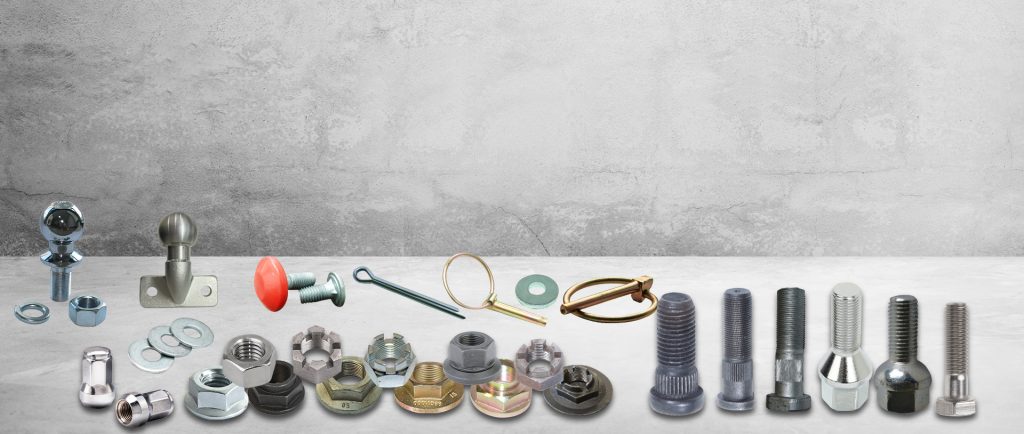
Fasteners are an essential part of every engineered structure, machine, and mechanical assembly. In India, where infrastructure development and manufacturing activity continue to expand, fasteners form the backbone of reliable construction and production systems. Though often overlooked, these components play a vital role in holding together materials under stress, vibration, and long-term use.
Across industries, fasteners in India are selected not only for their size or shape but for their ability to perform consistently in demanding conditions. From large infrastructure projects to precision-based manufacturing units, dependable fastening products support safety, efficiency, and durability. As expectations around performance rise, fasteners are increasingly treated as engineered products rather than basic hardware.
Indian industries now demand fastening products that align with project specifications, material compatibility, and long service life. We support this requirement by supplying fasteners that are suitable for a wide range of industrial and structural applications, helping maintain strength and stability across assemblies.
Contribution of Fasteners to India’s Expanding Industries
India’s industrial landscape has changed significantly over the past decade. Growth in construction, transportation, energy, and manufacturing has created steady demand for high-quality fasteners. These components are used to connect beams, panels, machinery parts, and support structures where joint integrity is critical.
Fasteners are widely used in:
- Infrastructure and civil engineering projects
- Automotive and transport manufacturing
- Heavy machinery and fabrication units
- Power plants and utility installations
In infrastructure development, fasteners help secure steel structures, bridges, and support frames. In manufacturing, they are used to assemble equipment, production systems, and enclosures that must operate continuously. The performance of these fasteners directly affects safety and operational reliability.
As projects grow larger and more complex, the margin for error becomes smaller. This has increased awareness about selecting fasteners with consistent dimensions, strength levels, and thread accuracy. Indian industries now prefer standardized fasteners that ensure uniform performance across installations.
We work with industries to provide fasteners that support this growth by offering products designed to perform reliably under load and over extended periods of use.
Common Types of Fasteners Used Across India
Fasteners are available in several forms, each designed for specific connection requirements. Choosing the right type improves joint stability and reduces the risk of loosening or failure during operation.
Frequently used fasteners in India include:
- Bolts and nuts for structural and load-bearing joints
- Screws for machinery assembly and equipment housing
- Washers for load distribution and surface protection
- Studs for high-pressure and fixed connections
Each fastener type is available in various dimensions, thread patterns, and strength grades. Structural applications often require heavy-duty bolts, while precision machinery relies on accurately threaded screws. Washers play a supporting role by protecting surfaces and improving joint balance.
We supply a broad range of fasteners to meet these varied application needs, supporting industries with dependable options for different assembly conditions.
Material Selection for Fasteners in Indian Environments
Material choice plays a major role in fastener performance. India’s operating environments can vary widely, from dry industrial zones to humid coastal regions and high-temperature processing plants. Fasteners must be able to handle these conditions without losing strength or stability.
Common materials used for fasteners in India include:
- Carbon steel for general industrial applications
- Stainless steel for moisture-prone or corrosive environments
- Alloy steel for high-strength and high-load requirements
Each material offers specific benefits depending on the application. Carbon steel fasteners are widely used due to their strength and cost efficiency. Stainless steel fasteners are preferred where corrosion resistance is essential. Alloy steel fasteners are chosen for demanding applications requiring enhanced mechanical properties.
We focus on supplying fasteners made from reliable materials that match application demands and environmental conditions.
Surface Finishes and Protection for Long-Term Use
Surface finish is another important factor in fastener selection. Protective finishes help extend service life by reducing wear and corrosion, especially in outdoor or industrial environments.
Common surface treatments include:
- Protective coatings to reduce corrosion
- Galvanized finishes for outdoor exposure
- Special treatments for improved wear resistance
A suitable finish helps fasteners maintain their integrity even when exposed to moisture, dust, or chemicals. In installations where maintenance access is limited, long-lasting finishes reduce the need for frequent replacements.
Poor surface treatment can lead to rust formation, thread seizure, or difficulty during removal. Selecting fasteners with proper finishing helps maintain smooth installation and long-term reliability.
We ensure that the fasteners we supply meet practical requirements for surface protection and durability in real working conditions.
Role of Standards in Indian Fastener Usage
Standardization has become increasingly important in India’s industrial sector. Fasteners manufactured according to recognized standards provide consistency in dimensions, strength, and performance.
Indian industries commonly use fasteners aligned with IS, DIN, ISO, and ASTM specifications. These standards help ensure compatibility between components and simplify replacement during maintenance.
Using standardized fasteners offers several advantages:
- Predictable load-bearing performance
- Interchangeability across suppliers
- Simplified installation and inspection
- Improved overall assembly reliability
Standards also help reduce errors during design and procurement, as engineers can specify fasteners with confidence. This approach supports efficiency across manufacturing and construction projects.
We support standardized fastener usage by supplying products that align with widely accepted specifications.
Quality Considerations and Industrial Safety
Fastener quality has a direct impact on industrial safety. Substandard products can loosen, deform, or fail under load, leading to equipment damage or safety risks. High-quality fasteners help maintain joint stability even under vibration and repeated stress.
Quality-focused fasteners offer:
- Consistent strength and hardness
- Accurate threading and dimensions
- Improved resistance to loosening
- Longer service life
Indian industries now place greater emphasis on quality checks such as tensile testing and dimensional inspection. These measures help ensure that fasteners perform as expected in operational conditions.
By prioritizing quality, industries can reduce downtime, improve safety, and lower long-term maintenance costs. R-E Industries supports this focus by supplying fasteners that meet practical performance expectations.
Selecting a Reliable Fastener Supplier in India
Choosing the right supplier is an important part of fastener procurement. A dependable supplier ensures consistent quality, timely availability, and support across repeat orders.
Key factors to consider include:
- Product range and availability
- Consistency in manufacturing quality
- Compliance with industry standards
- Ability to support bulk requirements
Reliable suppliers help industries avoid delays caused by inconsistent products or supply gaps. Long-term supplier relationships also support better planning and smoother operations.
We work closely with our clients to understand application needs and supply fasteners that support stable and efficient assembly processes.
Conclusion
Fasteners India represent a critical element of the country’s industrial and infrastructure development. Though small in size, their role in maintaining strength, safety, and durability is significant. By selecting appropriate fastener types, materials, finishes, and suppliers, industries can ensure reliable performance across applications. With a continued focus on quality and consistency, R-E Industries remains committed to supporting Indian industries with dependable fastening products designed for long-term use.