
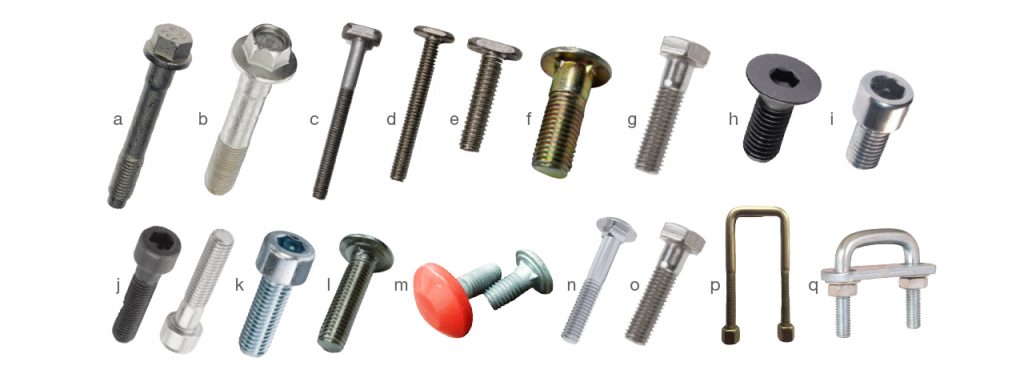
When it comes to heavy machinery, every component must withstand extreme stress, vibration, and demanding operating conditions. Among these components, hex bolts and nuts are particularly critical. They ensure structural integrity, secure assemblies, and maintain safety during operation. Choosing the right strength grade, material, size, and torque is essential, as even small mistakes can lead to costly failures, downtime, and safety hazards.
This guide covers everything you need to know about selecting hex bolts and nuts for heavy machinery. From understanding grades and materials to installation, maintenance, and sourcing, this post will help you make informed decisions for reliable, long-lasting performance.
Why Hex Bolts and Nuts Are Critical in Heavy Machinery
Hex bolts and nuts are designed to provide strong, reliable fastening for machines that operate under high stress and load. In heavy machinery, components are often exposed to:
- Extreme weight and force
- Continuous vibration and movement
- Exposure to moisture, dust, or corrosive environments
A single failure in a bolt can compromise safety, reduce efficiency, or even halt operations entirely. That’s why industrial-grade bolts are chosen based on load capacity, material, and strength.
Common applications include:
- Construction equipment: Excavators, bulldozers, cranes, and loaders
- Agricultural machinery: Tractors, harvesters, and plows
- Industrial machines: Presses, conveyors, and metal fabrication equipment
- Mining and heavy-duty transport: Loaders, trucks, and earthmoving machinery
Using the wrong type of hex bolt or nut can lead to thread stripping, snapping under load, or corrosion in harsh environments, all of which compromise safety.
Understanding Hex Bolt Grades and Strength
One of the first factors to consider is the grade or strength rating of hex bolts. Bolt grades are numerical indicators that define tensile and shear strength, which determines how much load a bolt can handle without breaking.
Common Grades for Heavy Machinery
- Grade 8: High-tensile strength; often used in structural applications
- Grade 10.9: Superior performance under heavy loads; common in automotive and machinery applications
- Grade 12.9: Top-tier strength for extreme load-bearing applications
Tensile vs. Shear Strength
- Tensile strength: The maximum amount of pulling force a bolt can handle before breaking
- Shear strength: The bolt’s ability to resist forces that attempt to slide layers of metal past each other
Tip: Always check the bolt head markings to verify the grade. These markings are your guide to proper application and load capacity.
Materials Matter: Choosing the Right Metal
The material of a hex bolt or nut directly affects its durability, strength, and resistance to environmental factors. Common materials include:
- Carbon Steel: Strong and cost-effective, but prone to rust if not coated
- Stainless Steel: Offers superior corrosion resistance, making it perfect for outdoor or high-moisture settings.
- Alloy Steel: High-strength bolts for critical load-bearing applications, often coated for protection
Surface Treatments and Coatings
Surface treatment enhances bolt performance, especially in corrosive or extreme environments:
- Galvanized: Provides a protective zinc coating to prevent rust
- Zinc-plated: Lighter corrosion protection; suitable for indoor or controlled environments
- Black Oxide: Industrial finish that reduces friction and protects against minor corrosion
Practical Tip: For heavy machinery operating outdoors or near water, stainless steel or galvanized bolts are recommended to prevent rust and ensure longevity.
Size, Thread Type, and Torque Considerations
Even the strongest bolt can fail if the size, threading, or torque is incorrect.
Diameter and Length
- Always match the bolt diameter and length to manufacturer specifications
- Oversized bolts may not fit properly, while undersized bolts can fail under load
Thread Type
- Metric Threads: Standard in European and Asian machinery
- Imperial Threads: Common in North American equipment
Torque Recommendations
- Correct torque ensures bolts stay tight without being over-stressed
- Using a calibrated torque wrench is essential
- Follow machinery manufacturer specifications for torque values
Pro Tip: If torque is too low, bolts may loosen under vibration. If torque is too high, bolts may stretch or strip, compromising safety.
Common Mistakes to Avoid
Even with high-quality bolts, mistakes during installation or maintenance can reduce safety and performance.
- Using low-grade bolts in high-stress applications – This can lead to snapping under load
- Improper torque during installation – Can cause loosening or stripping
- Ignoring environmental protection – Leads to corrosion, rust, and reduced lifespan
- Mixing materials – Using incompatible metals can cause galvanic corrosion
Avoiding these mistakes ensures your machinery remains safe and operational for longer periods.
Maintenance Tips for Longevity
Regular maintenance of hex bolts and nuts is essential for heavy machinery reliability.
- Routine Inspections: Check for loosened bolts, rust, or thread wear
- Lubrication: Apply anti-seize compounds to prevent rust and facilitate easier removal
- Replacement Guidelines: Replace bolts that show cracks, corrosion, or deformation
Safety Tip: Document inspections and replacements. Consistent maintenance reduces downtime and prevents catastrophic failures.
Load Calculations and Engineering Considerations
For critical applications, it’s not enough to choose bolts based on grade and material—you also need to calculate load requirements.
- Determine shear and tensile loads based on machinery weight and vibration
- Use safety factors to account for unexpected forces
- Consult engineering tables or manufacturer datasheets for precise bolt selection
Proper calculations ensure the bolts can handle both static and dynamic loads without risk.
Where to Source Quality Hex Bolts and Nuts
Choosing the right supplier is as important as selecting the correct bolt:
- Certified Manufacturers: ISO or ASTM-certified manufacturers guarantee quality and consistency
- Industrial Suppliers: Offer bulk purchasing and specialized products
- Online B2B Platforms: Convenient for sourcing rare sizes or high-strength grades
Buying Tip: Always request material certifications and grade verification before purchasing, especially for critical machinery applications.
Conclusion
Selecting the right hex bolts and nuts for heavy machinery requires careful consideration of strength grades, materials, size, threading, and torque requirements. Using high-quality bolts not only ensures safety and reliability but also reduces maintenance costs and downtime. Regular inspections, proper installation, and maintenance further extend the lifespan of your machinery.
Investing time in proper selection and maintenance of hex bolts and nuts pays off in efficiency, safety, and long-term performance.
Frequently Asked Question
1. What grade of hex bolts is best for heavy machinery?
High-strength hex bolts like Grade 8, 10.9, or 12.9 are recommended. These grades provide the strength needed to handle extreme loads safely.
2. Which materials are suitable for hex bolts and nuts in harsh environments?
Stainless steel and galvanized steel are ideal for outdoor or wet conditions because they resist corrosion. Alloy steel is suitable for high-stress, heavy-load applications.
3. How do I determine the correct torque for hex bolts?
Torque depends on the bolt diameter, thread type, and material. Always follow the machinery manufacturer’s specifications and use a calibrated torque wrench.
4. How often should hex bolts and nuts in heavy machinery be inspected?
Inspect them regularly during routine maintenance—typically every few months—checking for corrosion, wear, or loosening.
5. Can low-grade bolts be used in heavy machinery?
No. Low-grade bolts are not strong enough for high-stress applications and can fail, damage equipment, or create safety hazards. Always use bolts rated for industrial load-bearing applications.