
In today’s construction landscape, strength is not only measured by towering skylines or expansive industrial plants. It is defined by the reliability of the smallest components holding those structures together. Among these often-overlooked elements are silo bolts—specialized fasteners designed to perform in demanding structural environments.
From grain storage facilities to heavy industrial tanks, silo bolts play a critical role in maintaining safety, durability, and long-term performance. This comprehensive guide explores everything you need to know about silo bolts in modern construction,
What Are Silo Bolts?
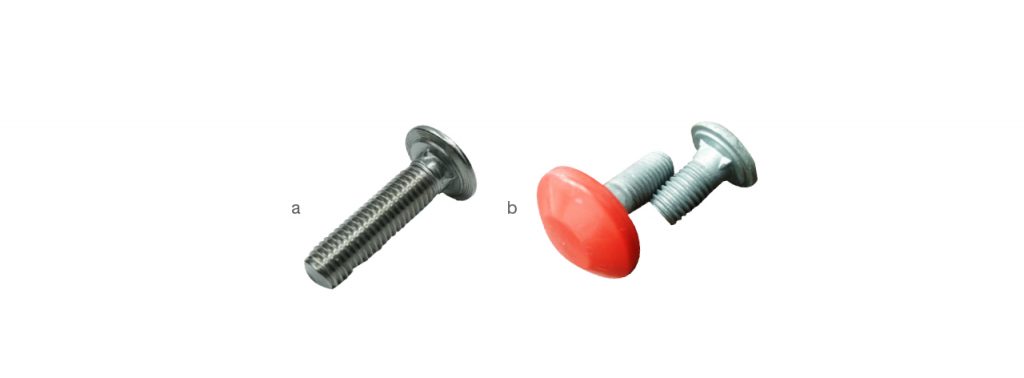
Silo bolts are heavy-duty fasteners specifically engineered for assembling steel panels in silos, bins, tanks, and other large storage structures. Unlike conventional bolts, they feature a low-profile, smooth, and often domed head that sits flush against the internal surface of the structure. This design minimizes material buildup inside silos and ensures efficient storage operations.
They are typically manufactured from high-tensile carbon steel or stainless steel and often include protective coatings such as hot-dip galvanization or zinc plating for corrosion resistance.
Key Features of Silo Bolts
- Flush, Rounded Head Design
Prevents grain, powder, or material from getting trapped inside storage systems. - High Tensile Strength
Designed to withstand significant internal pressure from stored materials. - Corrosion Resistance
Essential for outdoor installations and humid or chemically exposed environments. - Square Neck or Anti-Rotation Feature
Prevents the bolt from turning during tightening. - Washer Compatibility
Often paired with sealing washers to create airtight and watertight joints.
Where Are Silo Bolts Used?
Silo bolts are widely used in:
- Agricultural grain silos
- Cement storage tanks
- Industrial bulk storage facilities
- Feed mills
- Water treatment plants
- Chemical storage units
Their application is critical in industries that rely on safe bulk material containment.
Why Are Silo Bolts Important in Modern Construction?
Silo bolts ensure structural integrity in panel-built storage systems. Without reliable fastening, steel panels can separate under internal pressure, wind loads, or temperature fluctuations. A single weak fastening point can compromise the entire structure.
Their specialized head design also prevents contamination and clogging—essential in food-grade storage facilities.
What Materials Are Silo Bolts Made From?
Most silo bolts are made from:
- Carbon steel – Strong and cost-effective
- Stainless steel – Ideal for corrosive environments
- Galvanized steel – Provides enhanced rust protection
Material selection depends on environmental exposure, load requirements, and industry regulations.
What Is the Difference Between Silo Bolts and Regular Bolts?
| Feature | Silo Bolt | Regular Hex Bolt |
| Head Shape | Smooth, domed, flush | Hexagonal |
| Internal Surface Safety | High | Moderate |
| Corrosion Protection | Often enhanced | Varies |
| Designed for Storage Structures | Yes | Not specifically |
Regular bolts may protrude inside the structure, creating obstruction or contamination risks. Silo bolts eliminate that issue.
How Do You Choose the Right Silo Bolt?
When selecting silo bolts, consider:
- Load requirements
- Environmental conditions
- Material compatibility
- Required coating or corrosion resistance
- Local building regulations
Consulting structural engineers and following manufacturer guidelines ensures optimal performance.
Regional Considerations in Silo Bolt Applications
Climate Impact on Silo Bolt Performance
In regions with high humidity, such as coastal areas, corrosion resistance becomes a top priority. Stainless steel or heavily galvanized bolts are often preferred.
In dry agricultural zones, temperature fluctuation and wind load are the main concerns. High-tensile strength and proper sealing washers become essential.
Compliance with Regional Construction Standards
Construction standards vary globally. For example:
- In the United States, silo construction may follow guidelines from organizations such as American Society of Agricultural and Biological Engineers.
- European projects often reference EN fastening standards governed by the European Committee for Standardization.
Understanding regional requirements ensures that silo bolts meet structural safety and compliance regulations.
Agricultural Growth and Demand
Countries with large agricultural sectors—such as United States, Brazil, and India—have a significant demand for grain storage infrastructure. As storage capacity expands, the need for durable silo fastening systems grows alongside it.
Installation Best Practices
Even the strongest bolt can fail if improperly installed. Follow these guidelines:
1. Correct Torque Application
Over-tightening can damage the bolt or panel. Under-tightening reduces structural integrity. Use properly calibrated torque tools and adhere strictly to the manufacturer’s specified torque values.
2. Use Proper Washers
Sealing washers prevent leakage and protect against moisture infiltration.
3. Inspect for Coating Damage
Before installation, check for scratches or coating defects that could lead to corrosion.
4. Periodic Maintenance Checks
Routine inspections identify loosening, corrosion, or stress damage early.
Safety Considerations
Silo failures can cause severe financial and safety consequences. Structural collapse, grain entrapment hazards, and environmental contamination are real risks when fastening systems fail.
Quality silo bolts:
- Improve load distribution
- Enhance wind resistance
- Maintain panel alignment
- Reduce maintenance costs
Investing in certified fasteners is not just a material decision—it is a safety decision.
Innovations in Modern Silo Bolt Manufacturing
Advancements in manufacturing have improved performance and longevity.
High-Performance Coatings
New coating technologies offer improved corrosion resistance without increasing weight.
Precision Engineering
Modern CNC manufacturing ensures consistent threading and dimensional accuracy.
Enhanced Sealing Technology
Integrated washer systems provide superior airtight and watertight performance.
These innovations align with the broader shift toward sustainable and long-lasting construction materials.
Cost vs. Value: Are Premium Silo Bolts Worth It?
While premium silo bolts may cost more initially, the long-term benefits often outweigh the investment.
Lower-quality fasteners can lead to:
- Frequent maintenance
- Panel misalignment
- Structural weakness
- Replacement costs
High-quality bolts reduce downtime, improve safety, and extend structure lifespan.
Environmental and Sustainability Considerations
Modern construction increasingly emphasizes sustainability. Silo bolts contribute in several ways:
- Long service life reduces replacement frequency
- Recyclable steel materials
- Protective coatings that minimize rust-related waste
Durable fastening systems reduce the overall environmental footprint of storage infrastructure.
Future Outlook of Silo Bolts in Construction
As urbanization and agricultural production continue to grow, bulk storage solutions will expand. Smart monitoring systems are being integrated into silos to measure pressure and structural stress. Fasteners must keep pace with these innovations.
In the future, we may see:
- Smart bolts with load sensors
- Improved corrosion-resistant alloys
- Automated installation technologies
The role of the humble silo bolt will continue to evolve alongside engineering advancements.
Final Thoughts
Silo bolts may seem like small components in large industrial systems, but their importance cannot be overstated. They secure the steel panels that protect millions of tons of grain, cement, chemicals, and other bulk materials worldwide.
From material selection to installation and regional compliance, every aspect of silo bolt application influences structural performance and safety. Builders, engineers, and facility operators must treat these fasteners as critical structural elements—not afterthoughts.
In modern construction, strength lies in the details. And silo bolts are one of those details that make all the difference.
Frequently Asked Questions
Are silo bolts reusable?
Generally, no. For structural integrity and safety compliance, replacing bolts during major maintenance is recommended.
What coating is best for coastal silos?
Stainless steel or heavy hot-dip galvanization performs best in high-salt environments.
How often should silo bolts be inspected?
At least once per year, and immediately after extreme weather events.
Can regular construction bolts be used in silos?
Not recommended. Standard bolts lack the flush head design and specialized load performance required.
What size silo bolt is most common?
Common diameters range between 5/16” to 1/2”, depending on structural design requirements.