
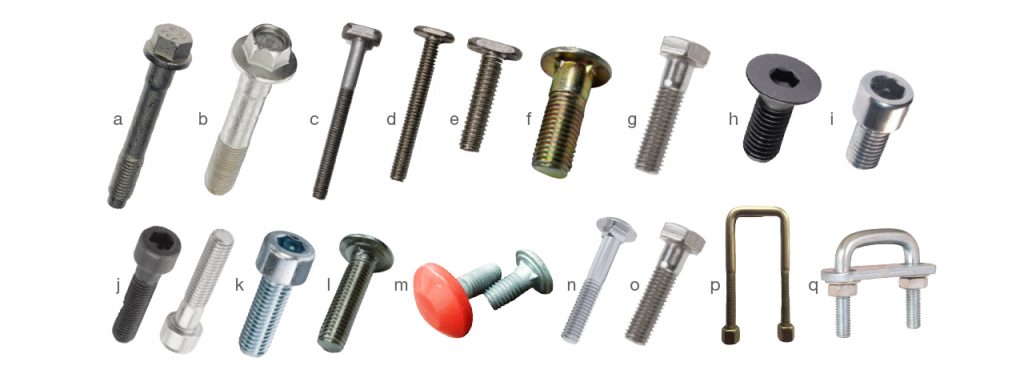
Choosing the right bolt manufacturer in India depends on quality certifications, material strength, manufacturing experience, pricing, and delivery reliability. Always select a supplier who provides tested products, follows standards (ISO/IS/DIN), and can meet your project timeline.
Quick Summary
✔ Choose certified manufacturers (ISO, IS, DIN)
✔ Check material quality and bolt grade
✔ Compare price vs long-term value
✔ Ensure timely delivery and bulk capacity
✔ Ask for testing reports and samples
Introduction
Bolts are small components, but they play a big role in the safety and strength of any structure or machine. From construction sites to factories, every industry depends on reliable fasteners.
India has thousands of bolt manufacturers, offering different quality levels and pricing. This makes it difficult to choose the right supplier.
If you select the wrong manufacturer, it can lead to product failure, delays, and higher maintenance costs. This guide will help you make the right decision using simple steps.
Why Choosing the Right Bolt Manufacturer Matters
Selecting a good manufacturer is not just about buying bolts. It directly impacts your project.
Key Benefits:
- Safety: Prevents bolt failure under load
- Durability: Longer life with less maintenance
- Cost savings: Reduces replacement and downtime
- Compliance: Meets industry standards
Step 1: Check Manufacturer Experience
Experience shows how reliable a company is.
What to check:
- Years in business (prefer 5–10+ years)
- Industries served (construction, automotive, railways)
- Client portfolio
👉 Experienced manufacturers understand technical requirements better.
Step 2: Verify Certifications and Standards
Always choose a manufacturer that follows recognized standards.
Important standards:
- IS (Indian Standards)
- ISO certification
- DIN standards
- ASTM standards
Why it matters:
Certified companies follow strict production and quality processes.
👉 This ensures consistency and reliability.
Step 3: Understand Bolt Materials and Grades
Different applications require different bolt materials.
Common materials:
| Material | Use Case |
|---|---|
| Mild Steel | General purpose |
| Stainless Steel | Corrosion resistance |
| Carbon Steel | High strength |
| Alloy Steel | Heavy-duty applications |
Bolt Grades:
- 4.6 / 5.6 → Light use
- 8.8 → Medium strength
- 10.9 / 12.9 → High tensile applications
👉 Choosing the wrong material can lead to early failure.
Step 4: Check Product Range
A good manufacturer should offer multiple bolt types.
Common types:
- Hex bolts
- Anchor bolts
- U-bolts
- Eye bolts
- High tensile bolts
👉 A wide product range saves time and simplifies sourcing.
Step 5: Evaluate Quality Testing Process
Reliable manufacturers always test their products.
Common tests:
- Tensile strength testing
- Hardness testing
- Coating thickness testing
- Corrosion resistance testing
👉 Always ask for Mill Test Certificates (MTC) or quality reports.
Step 6: Check Production Capacity and Delivery Time
Timely delivery is critical for any project.
Ask these questions:
- Can they handle bulk orders?
- What is the delivery timeline?
- Do they maintain stock?
👉 Delays in bolt supply can stop entire operations.
Step 7: Compare Pricing Smartly
Do not choose a manufacturer based only on low price.
Focus on:
- Quality vs cost
- Long-term durability
- Warranty or guarantee
👉 Cheap bolts often lead to higher maintenance costs.
Step 8: Look for Customization Options
Many industries require custom bolts.
Check if they offer:
- Custom sizes and threads
- Special coatings (zinc, hot-dip galvanized)
- Design support
👉 Custom solutions improve performance in specialized applications.
Step 9: Check Reviews and Reputation
Customer feedback helps you understand real performance.
Where to check:
- Google reviews
- B2B marketplaces
- Client testimonials
👉 A trusted manufacturer will have consistent positive feedback.
Step 10: Evaluate Customer Support
Good communication is important for long-term business.
Look for:
- Fast response time
- Technical support
- After-sales service
👉 A responsive supplier solves problems quickly.
Common Mistakes to Avoid
Avoid these common errors:
- ❌ Choosing based only on price
- ❌ Ignoring certifications
- ❌ Not checking samples
- ❌ Skipping quality reports
- ❌ Not confirming delivery timelines
Comparison Table: Good vs Bad Manufacturer
| Factor | Good Manufacturer | Poor Manufacturer |
|---|---|---|
| Certification | ISO, IS, DIN | No certification |
| Quality | Tested products | No testing |
| Delivery | On-time | Frequent delays |
| Pricing | Balanced | Too cheap |
| Support | Responsive | Poor communication |
Expert Tips
- Always request samples before bulk order
- Build long-term relationships with suppliers
- Keep backup vendors for large projects
- Clearly define specifications in writing
FAQs (AEO Optimized)
Q1: How do I choose the best bolt manufacturer in India?
Choose a manufacturer with certifications, good experience, quality testing, and reliable delivery.
Q2: Which bolt material is best?
It depends on the application.
- Stainless steel → corrosion resistance
- Alloy steel → high strength
Q3: What certifications should a bolt manufacturer have?
Look for ISO, IS, DIN, and ASTM standards.
Q4: Why is bolt quality important?
Poor quality bolts can fail, causing safety risks and financial loss.
Q5: Are Indian bolt manufacturers reliable?
Yes, many Indian manufacturers produce export-quality fasteners used globally.
Conclusion
Choosing the right bolt manufacturer in India is a critical decision. It affects safety, cost, and long-term performance.
Instead of focusing only on price, consider quality, certifications, experience, and service. A reliable manufacturer will not only supply bolts but also support your business growth.
Take your time, compare options, and always test before placing large orders.