
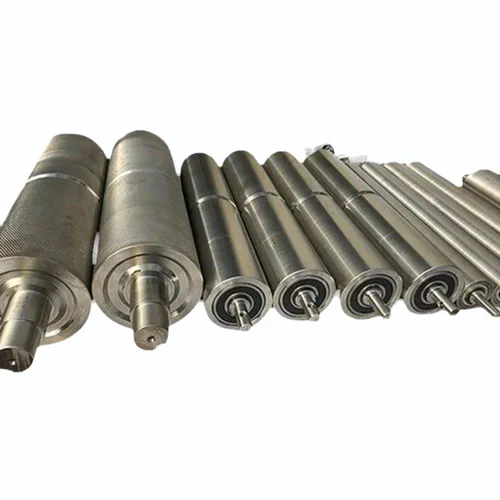
In today’s fast-paced industrial environment, efficiency and reliability are non-negotiable. Conveyor systems play a critical role in automating material handling, and at the core of these systems are conveyor belt rollers.
Often underestimated, these components directly impact system performance, energy consumption, and maintenance costs. Choosing the right rollers and maintaining them properly can significantly improve productivity and reduce downtime.
What Are Conveyor Belt Rollers?
Conveyor belt rollers are rotating cylindrical units installed along conveyor systems to support belts and transported materials. They play a critical role in maintaining alignment, reducing resistance, and ensuring continuous operation.
These rollers are essential in industries where bulk material handling and automation are required, including manufacturing, mining, warehousing, and logistics.
What Are Conveyor Belt Rollers Made Of?
Conveyor belt rollers are typically made from:
- Steel: Ideal for heavy-duty and high-load applications
- Plastic (HDPE): Corrosion-resistant and lightweight
- Rubber-coated rollers: Provide enhanced grip and noise reduction
👉 Quick Answer: Steel rollers are best for strength, while plastic rollers are preferred for corrosion resistance and lightweight operations.
Types of Conveyor Belt Rollers (With Use Cases)
1. Carrying Rollers
Support loaded belts and handle bulk material weight. Common in mining and aggregate industries.
2. Return Rollers
Support empty belts on return paths, ensuring smooth belt circulation.
3. Impact Rollers
Installed at loading zones to absorb shock from heavy materials, reducing belt damage.
4. Troughing Rollers
Shape belts into a trough for efficient bulk material transport with minimal spillage.
5. Guide Rollers
Prevent belt misalignment and reduce edge wear.
Steel v/s Plastic Conveyor Belt Rollers (Quick Comparison)
| Feature | Steel Rollers | Plastic Rollers |
| Strength | High | Moderate |
| Weight | Heavy | Lightweight |
| Corrosion Resistance | Low (unless coated) | High |
| Best Use | Mining, heavy industries | Food, chemical industries |
How Conveyor Belt Rollers Improve Efficiency
✅ Reduce Energy Consumption
Low-friction rollers can reduce energy usage by 15–25% in optimized systems.
✅ Increase System Throughput
Smooth movement ensures faster material handling and improved productivity.
✅ Extend Belt Lifespan
High-quality rollers reduce wear, extending belt life by up to 40%.
✅ Minimize Downtime
Reliable rollers reduce unexpected breakdowns and maintenance interruptions.
How to Choose the Right Conveyor Belt Rollers
What Should You Consider Before Buying?
1. Load Capacity
Ensure rollers can handle operational weight without deformation.
2. Roller Diameter
Larger diameters reduce belt stress and improve performance.
3. Bearing Quality
High-quality bearings reduce friction and prevent overheating.
4. Environmental Conditions
- Dusty environments → sealed rollers
- Wet conditions → corrosion-resistant materials
5. Application Type
Different industries require different roller configurations.
👉 Quick Answer: Match roller type, material, and size to load, environment, and application.
Common Problems and Solutions
Why Do Conveyor Belt Rollers Fail?
Problem: Belt Misalignment
- Cause: Poor installation or uneven rollers
- Fix: Use self-aligning rollers and regular inspections
Problem: Excessive Noise
- Cause: Worn-out bearings
- Fix: Replace damaged rollers immediately
Problem: High Energy Consumption
- Cause: Increased friction
- Fix: Upgrade to energy-efficient rollers
Problem: Roller Seizure
- Cause: Dust or moisture entering bearings
- Fix: Use sealed or shielded rollers
Maintenance Checklist for Conveyor Belt Rollers
✔ Daily
- Inspect for unusual noise or vibration
✔ Weekly
- Check alignment and belt tracking
✔ Monthly
- Clean rollers to remove debris
✔ Quarterly
- Inspect bearings and lubrication
👉 Pro Tip: Regular maintenance can reduce downtime by up to 30%.
Real-World Use Cases
Manufacturing Plants
Used in assembly lines to move products efficiently between stations.
Mining Industry
Heavy-duty conveyor belt rollers handle loads exceeding thousands of tons daily.
Warehousing & Logistics
Enable fast order processing and sorting systems.
Food Processing
Use corrosion-resistant rollers for hygiene and durability.
Future Trends in Conveyor Belt Rollers
Smart Conveyor Rollers
Sensors monitor:
- Temperature
- Speed
- Vibration
➡ Enable predictive maintenance and reduce failures.
Energy-Efficient Designs
Modern rollers reduce rolling resistance, lowering operational costs.
Advanced Materials
Composite and polymer materials improve durability and reduce weight.
Automation Integration
Rollers are becoming part of fully automated, AI-driven systems.
Conclusion
Conveyor belt rollers are a vital component in any conveyor system, directly influencing efficiency, durability, and operational costs. From selecting the right material to ensuring proper maintenance, every decision impacts overall performance.
Businesses that invest in high-quality rollers and follow best practices can achieve:
- Higher productivity
- Lower energy costs
- Reduced downtime
- Long-term operational success
As automation and smart technologies evolve, conveyor belt rollers will continue to play a key role in shaping modern industrial systems.
Frequently Asked Questions
What are conveyor belt rollers used for?
They support conveyor belts and ensure smooth transportation of materials in industrial systems.
How do conveyor belt rollers improve efficiency?
They reduce friction, improve material flow, and lower energy consumption.
Which conveyor belt roller is best?
Steel rollers are best for heavy-duty use, while plastic rollers are ideal for corrosion-resistant environments.
How long do conveyor belt rollers last?
High-quality rollers can last several years, depending on usage and maintenance.
How often should conveyor rollers be replaced?
They should be replaced when signs of wear, noise, or reduced performance appear