
Table of Contents
- Introduction
- What Are Conveyor Belt Rollers?
- Types of Conveyor Belt Rollers
- How Conveyor Rollers Work
- Key Materials Used
- Benefits of High-Quality Rollers
- Common Problems and Solutions
- Maintenance Tips from Experts
- Industry Applications
- Latest Trends and Statistics
- Buying Guide: How to Choose the Right Roller
- Conclusion
- FAQs
1. Introduction
Conveyor belt rollers play a crucial role in modern industries. From mining and manufacturing to logistics and food processing, they ensure smooth and efficient movement of goods. Without them, conveyor systems would struggle with friction, inefficiency, and frequent breakdowns.
According to industry reports, conveyor systems improve operational efficiency by up to 30–40%, making rollers an essential component in reducing labor and time costs.
2. What Are Conveyor Belt Rollers?
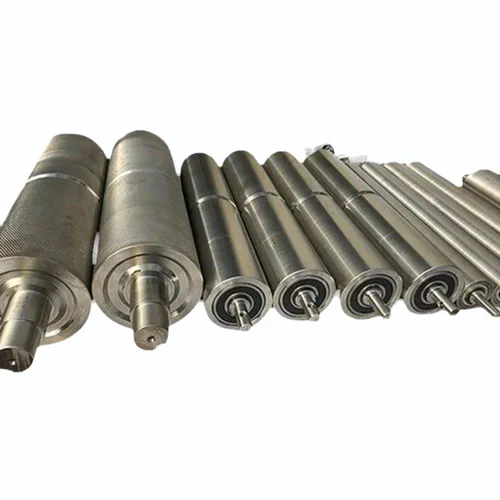
Conveyor belt rollers are cylindrical components that support and guide a conveyor belt. They reduce friction and help the belt move smoothly while carrying materials from one place to another.
These rollers are usually installed in sets along the conveyor frame and rotate as the belt moves over them.
3. Types of Conveyor Belt Rollers
a. Carrying Rollers
These rollers support the loaded belt and carry materials. They are the most commonly used type.
b. Return Rollers
Placed under the conveyor belt, return rollers support the empty belt on its return journey.
c. Impact Rollers
Installed at loading points, these rollers absorb shock and reduce damage caused by heavy materials.
d. Trough Rollers
Used to shape the belt into a trough, making it easier to carry bulk materials like coal or grains.
e. Guide Rollers
These rollers prevent the belt from drifting off track.
4. How Conveyor Rollers Work
Conveyor rollers rotate around their axis when the belt moves. This rotation reduces friction between the belt and the surface below. The smoother the rotation, the more efficient the system.
A well-functioning roller system ensures:
- Consistent material flow
- Reduced energy consumption
- Minimal wear and tear
5. Key Materials Used
Steel
Strong and durable, ideal for heavy-duty applications.
Rubber-Coated
Provides better grip and reduces noise.
Plastic (HDPE)
Lightweight and resistant to corrosion, making it ideal for use in moist or chemically exposed environments.
Stainless Steel
Used in food and pharmaceutical industries due to hygiene requirements.
6. Benefits of High-Quality Rollers
Using good-quality conveyor rollers offers several advantages:
- Improved Efficiency: Reduces downtime and increases productivity
- Longer Lifespan: High-quality rollers can last up to 2–3 times longer
- Energy Savings: Efficient rollers can reduce energy use by 15–20%
- Reduced Maintenance Costs: Fewer breakdowns mean lower repair expenses
7. Common Problems and Solutions
Problem 1: Roller Misalignment
Solution: Regular inspection and proper installation
Problem 2: Excessive Noise
Solution: Use rubber-coated or lubricated rollers
Problem 3: Roller Seizure
Solution: Ensure proper lubrication and replace damaged bearings
Problem 4: Belt Slippage
Solution: Check roller surface condition and tension
8. Maintenance Tips from Experts
- Inspect rollers every 2–4 weeks
- Clean debris regularly to avoid blockage
- Lubricate moving parts to reduce wear
- Replace worn-out rollers immediately
- Monitor vibration and noise levels
Experts suggest that regular maintenance can extend roller life by up to 50%.
9. Industry Applications
Conveyor belt rollers are widely used across industries:
- Mining: Transporting coal, minerals, and ores
- Manufacturing: Moving raw materials and finished goods
- Logistics & Warehousing: Sorting and shipping packages
- Food Processing: Handling packaged and raw food items
- Agriculture: Moving grains and fertilizers
10. Latest Trends and Statistics
- The global conveyor system market is expected to grow at a CAGR of 4.5%–5% over the next decade
- Automation in warehouses has increased roller demand by 25% in recent years
- Smart rollers with sensors are gaining popularity for predictive maintenance
- Sustainable materials are increasingly utilized to minimize harm to the environment.
11. Buying Guide: How to Choose the Right Roller
When choosing conveyor belt rollers, keep the following factors in mind:
Load Capacity
Ensure the roller can handle the weight of materials.
Material Type
Choose based on environment (e.g., moisture, chemicals, temperature).
Roller Size
Match the diameter and length with your conveyor system.
Bearing Quality
High-quality bearings improve performance and durability.
Maintenance Needs
Opt for rollers that are easy to maintain and replace.
12. Conclusion
Conveyor belt rollers may seem like small components, but they play a major role in keeping industries running efficiently. Choosing the right type, maintaining them properly, and staying updated with new trends can significantly improve productivity and reduce costs.
Investing in high-quality rollers is not just a technical decision—it’s a smart business move.
13. FAQs
Q1. What is the lifespan of conveyor belt rollers?
Typically, rollers last between 2 to 5 years, depending on usage and maintenance.
Q2. What is the recommended inspection frequency for conveyor rollers?
Experts recommend inspection every 2–4 weeks.
Q3. What causes conveyor roller failure?
Common causes include poor maintenance, overloading, and environmental factors.
Q4. Are plastic rollers better than steel rollers?
Plastic rollers are better for corrosion resistance, while steel rollers are stronger for heavy loads.
Q5. Can conveyor rollers reduce energy consumption?
Yes, efficient rollers can reduce energy usage by up to 20%.
Q6. What is the most common type of conveyor roller?
Carrying rollers are the most widely used type in industrial systems.