
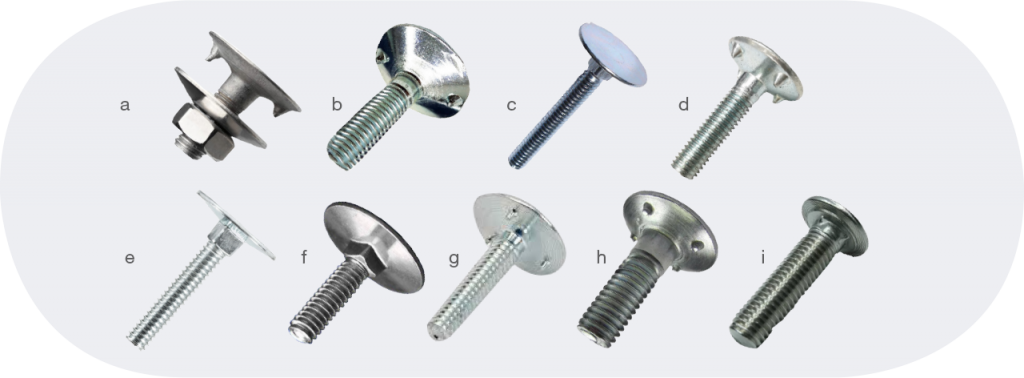
DIN 15237 is a German industrial standard that defines the dimensions, design, and mounting specifications of elevator buckets used in bulk material handling systems. It ensures compatibility, efficiency, and safety in industries like cement, agriculture, mining, and food processing.
What is DIN 15237?
DIN 15237 is a technical standard developed to bring uniformity to elevator buckets used in vertical conveying systems. It specifies:
- Bucket size and shape
- Mounting hole spacing
- Capacity guidelines
- Design classifications
The purpose is simple: make buckets interchangeable across systems, reduce downtime, and improve operational efficiency.
Why DIN 15237 is Important
Without standardization, industries face problems like misalignment, poor performance, and higher maintenance costs.
Key Benefits:
- Easy replacement of buckets
- Reduced system downtime
- Consistent performance
- Better safety and reliability
In large-scale operations, even small inefficiencies can lead to major losses. DIN 15237 helps prevent that.
DIN 15237 Bucket Dimensions (Example Overview)
While exact sizes vary, the standard defines structured dimensions like:
| Bucket Width (mm) | Projection (mm) | Depth (mm) | Typical Use Case |
|---|---|---|---|
| 100–160 | 80–120 | 60–90 | Light materials |
| 180–250 | 120–160 | 90–140 | Medium duty |
| 300+ | 160–250 | 140–220 | Heavy materials |
👉 These standardized dimensions ensure smooth installation and compatibility across systems.
Where is DIN 15237 Used?
These buckets are widely used in industries that handle bulk materials:
1. Agriculture
- Grain elevators
- Seed processing plants
- Fertilizer handling
2. Cement Industry
- Raw material transport
- Clinker movement
3. Mining Industry
- Coal and ore lifting
- Abrasive material handling
4. Food Processing
- Sugar plants
- Flour mills
5. Chemical Industry
- Powder and granule transport
Types of DIN 15237 Buckets
Different materials require different bucket designs.
| Bucket Type | Best For | Advantage |
| Deep Buckets | Free-flowing materials | High capacity |
| Shallow Buckets | Sticky materials | Better discharge |
| Medium Buckets | General applications | Balanced performance |
| Heavy-duty Buckets | Mining and abrasive loads | High durability |
DIN 15237 vs DIN 15238
This is a key topic many users search for.
| Feature | DIN 15237 | DIN 15238 |
| Focus | Bucket dimensions | Bucket spacing & mounting |
| Application | Elevator buckets | Elevator belt systems |
| Purpose | Standard size & design | Installation alignment |
| Usage | Component standard | System-level standard |
👉 In simple terms:
- DIN 15237 = Bucket design
- DIN 15238 = Bucket placement
Industry Insights & Data
- Around 65–75% of European bulk handling systems follow DIN standards.
- Standardized buckets can reduce maintenance time by up to 25%.
- Bucket elevators improve vertical transport efficiency by 30–40% compared to manual systems.
- Proper bucket selection can increase system lifespan by 15–20%.
These numbers highlight why industries prefer standardized components.
How to Choose the Right DIN 15237 Bucket
Selecting the right bucket is critical for performance.
1. Based on Material Type
- Free-flowing → Deep buckets
- Sticky → Shallow buckets
2. Based on Capacity
- High volume → Larger width and depth
- Low volume → Smaller buckets
3. Based on Environment
- Corrosive → Stainless steel
- Abrasive → Reinforced or coated buckets
4. Based on Speed
- High-speed systems need stronger and well-balanced buckets
Practical Example (Real Industry Use)
In a typical cement plant:
- Buckets operate continuously under heavy load
- Exposure to heat and dust is high
- Wear and tear is frequent
Using DIN 15237 buckets:
- Replacement becomes quick
- System alignment remains intact
- Downtime is minimized
Most plants inspect buckets every 3–6 months and replace them within 12–18 months, depending on usage.
Advantages of DIN 15237
Efficiency
Optimized design improves material flow and reduces spillage.
Interchangeability
Standard sizes allow quick replacement without redesign.
Cost Savings
Lower maintenance and bulk production reduce costs.
Reliability
Consistent performance across different systems.
Challenges to Consider
- Slightly higher initial cost
- Limited customization options
- Older systems may require modification
However, long-term benefits usually outweigh these challenges.
Future Trends in DIN 15237 Usage
Industries are moving toward:
- Lightweight composite buckets
- Anti-wear coatings
- Smart monitoring systems
- Automation in material handling
As automation grows, the demand for standardized components like this will continue to increase.
Conclusion
DIN 15237 is more than just a technical standard—it is a practical solution for improving efficiency, safety, and reliability in bulk material handling systems. By ensuring uniform bucket design, it helps industries reduce downtime, save costs, and maintain consistent performance.
Whether you are designing a new system or upgrading an existing one, understanding this gives you a strong advantage. Standardization is not just about following rules—it is about building systems that work better, last longer, and perform reliably every day.
Frequently Asked Questions (FAQ)
What is DIN 15237 used for?
This is used to standardize elevator bucket dimensions and design in bulk material handling systems.
What materials are used in DIN 15237 buckets?
They are commonly made from steel, stainless steel, or plastic depending on the application.
What is the difference between DIN 15237 and DIN 15238?
These focuses on bucket design, while DIN 15238 deals with bucket spacing and installation.
Are DIN 15237 buckets universal?
They are widely compatible, but system checks are still required before installation.
How do I choose the right bucket size?
It depends on material type, capacity, operating speed, and environmental conditions.