
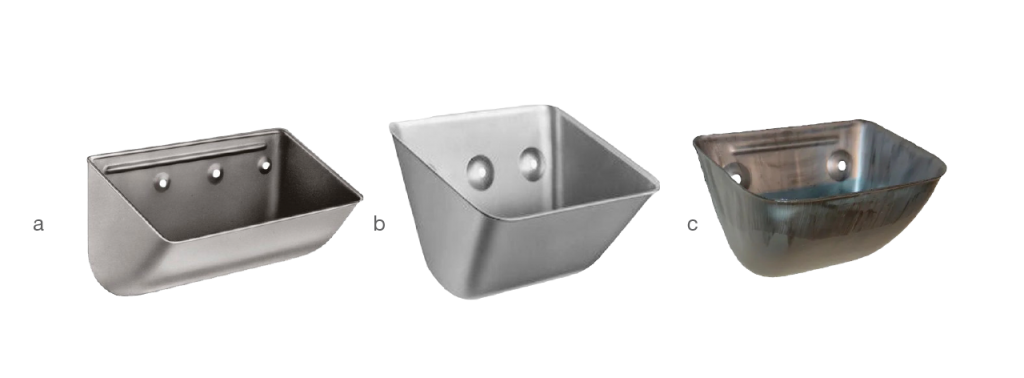
Elevator buckets play a vital role in material handling industries. Whether in agriculture, mining, food processing, or construction, the efficiency of an elevator bucket can directly impact your operations. Selecting the best elevator bucket is not just about picking a product off the shelf; it requires understanding materials, load capacities, durability, and environmental factors. In this guide, we will explore everything you need to know to choose the perfect bucket for your business.
What is an Elevator Bucket?
An elevator buckets is a key component of a bucket elevator system. It is designed to lift bulk materials vertically or at an angle efficiently. These materials can include grains, powders, pellets, or minerals. Elevator buckets are attached to a belt or chain, which rotates around pulleys to carry materials to the desired height.
Types of Elevator Buckets
Elevator buckets come in various shapes and materials. Selecting the appropriate type guarantees optimal performance. The table below outlines the primary types:
| Type of Elevator Bucket | Material Used | Best For | Key Feature |
|---|---|---|---|
| Plastic Buckets | HDPE, Nylon | Light to medium materials like grains | Lightweight, corrosion-resistant |
| Steel Buckets | Carbon Steel, Stainless | Heavy materials like ores, sand, cement | High strength, durable |
| Rubber Buckets | Reinforced Rubber | Abrasive materials | Flexible, wear-resistant |
| Polyurethane Buckets | PU-coated | Sticky or corrosive materials | High abrasion resistance |
Quick Tip: For food-grade operations, plastic or stainless-steel buckets are preferred due to hygiene and ease of cleaning.
Key Considerations for Selecting the Right Elevator Bucket
Choosing the right elevator bucket is crucial to prevent downtime, reduce maintenance costs, and improve efficiency. Here are the main factors:
1. Material Type
The type of material being transported is the most important factor. Light materials like rice or flour require different bucket specifications than heavy, abrasive materials like sand or ores.
2. Load Capacity
Each bucket has a maximum load it can handle. Overloading can lead to premature wear, belt damage, or even system failure. Always check the bucket capacity in kilograms or pounds.
| Material Type | Recommended Bucket Capacity (kg) | Notes |
|---|---|---|
| Grain (corn, rice) | 5–20 | Lightweight, can use plastic buckets |
| Powder (flour, cement) | 10–25 | Choose a bucket with sealed edges to reduce spillage |
| Minerals/Ore | 25–50 | Steel buckets preferred for durability |
3. Environmental Conditions
The operating environment affects bucket material selection. High humidity, extreme temperatures, or corrosive chemicals can degrade certain materials. Stainless steel or reinforced plastic buckets are often ideal for harsh conditions.
4. Bucket Shape and Design
The shape of the bucket influences material flow and efficiency. Common designs include:
- Flat-Back Buckets: Good for general-purpose use.
- Deep or High-Capacity Buckets: Suitable for heavy or high-volume materials.
- V-Shaped Buckets: Ideal for sticky or fine materials to prevent clogging.
5. Wear and Abrasion Resistance
Materials like sand or cement can wear out buckets quickly. Using abrasion-resistant materials like polyurethane or steel ensures longevity.
6. Speed and System Compatibility
Buckets must be compatible with the speed and type of elevator system. Over-speeding can cause spillage or bucket detachment. Always check manufacturer recommendations for belt speed and bucket spacing.
Benefits of Choosing the Right Elevator Bucket
Investing time in selecting the perfect elevator bucket can bring multiple benefits:
- Enhanced Efficiency: Proper buckets reduce material spillage and downtime.
- Longer Equipment Life: Correct material selection prevents premature wear.
- Cost Savings: Fewer repairs and replacements reduce long-term expenses.
- Safety: Properly designed buckets reduce the risk of accidents.
Common Mistakes to Avoid
Many operators make simple mistakes that reduce elevator bucket efficiency:
- Using the wrong material bucket: Leads to wear and reduced performance.
- Overloading buckets: Can damage belts or the entire elevator system.
- Ignoring environmental factors: Buckets can corrode or crack in extreme conditions.
- Neglecting maintenance: Regular checks prevent costly downtime.
Elevator Bucket Performance Statistics
Understanding performance metrics helps in making an informed decision. Here are some industry averages:
| Parameter | Average Value | Notes |
|---|---|---|
| Bucket Lifespan | 3–7 years | Varies with material type and usage |
| Average Material Spillage | 2–5% of total load | Reduced with proper design |
| Belt Compatibility Load Limit | 500–1000 kg per meter | Ensure bucket does not exceed limits |
These stats demonstrate that even small adjustments in bucket selection can lead to significant improvements in efficiency and longevity.
Tips for Maintenance and Longevity
Proper care ensures your elevator buckets last longer:
- Regular Inspection: Check for cracks, wear, or loose attachments.
- Cleaning: Remove sticky residues to prevent clogging.
- Lubrication: Ensure chains or belts run smoothly.
- Replacement: Replace worn buckets before failure to avoid system downtime.
Conclusion
Choosing the perfect elevator bucket is a mix of understanding material properties, operational requirements, and environmental conditions. By selecting the right type, material, and design, you can improve efficiency, reduce downtime, and extend equipment life. Regular maintenance and monitoring further enhance performance, making your elevator bucket investment truly cost-effective.
Remember, the right bucket is not just a part of your system—it’s a key to smooth, efficient, and safe material handling.
Frequently Asked Questions (FAQ)
Q1: What materials are elevator buckets made from?
A1: Elevator buckets are commonly made from plastic, steel, rubber, or polyurethane, depending on material type and operating conditions.
Q2: How do I know which bucket is right for my material?
A2: Consider the material’s weight, abrasiveness, moisture content, and temperature. Light grains work well with plastic buckets, while heavy minerals require steel.
Q3: Can elevator buckets be used for sticky materials?
A3: Yes, buckets with smooth surfaces or polyurethane coating prevent materials from sticking. V-shaped or deep buckets are especially effective.
Q4: How often should elevator buckets be replaced?
A4: Depending on use and material, buckets can last 3–7 years. Routine inspections help identify when a replacement is needed..
Q5: Are elevator buckets suitable for food industries?
A5: Absolutely. Food-grade plastic or stainless-steel buckets are safe for grains, flour, and other consumables.