
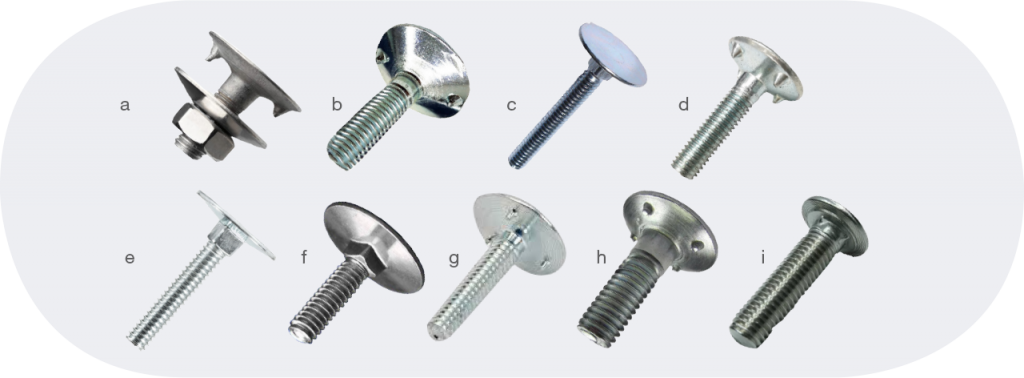
In industries where heavy machinery and construction equipment are utilized, such as mining, agriculture, and construction, the role of high-quality components cannot be overstated. One such component that plays a pivotal role in the durability and efficiency of equipment is the DIN 15237 bucket bolt. This guide delves deep into the specifications, applications, and benefits of these bolts, offering a comprehensive understanding for those who rely on these essential components.
What Are DIN 15237 Bucket Bolts?
DIN 15237 refers to a standardized specification for bucket bolts commonly used in industries like mining, agriculture, and material handling. The standard was developed by the Deutsches Institut für Normung (DIN), the German Institute for Standardization. These bolts are primarily used in the assembly and maintenance of bucket teeth, cutting edges, and other wear parts on heavy machinery like excavators, loaders, and backhoes.
These bolts are designed to withstand extreme wear and tear and to endure the rough conditions typical in heavy-duty applications. Their robust design ensures that they can hold the components in place securely, preventing loosening during operation and improving the overall performance of the equipment.
Key Specifications of DIN 15237 Bucket Bolts
Material
DIN 15237 bucket bolts are typically made from high-strength steel alloys. These materials are chosen for their excellent tensile strength, resistance to corrosion, and ability to endure constant pressure and friction. Common materials include:
- Carbon Steel: Known for its toughness and strength, carbon steel is a widely used material in bucket bolts.
- Alloy Steel: Enhanced with other elements like chromium, nickel, or molybdenum to improve hardness and resistance to wear.
The material choice is critical for ensuring the bolts perform in harsh conditions and remain intact under heavy loads.
Thread Design
The bolts are typically equipped with coarse or fine threads, depending on the application. The thread design ensures that the bolts can be easily installed and tightened, yet they provide enough grip to stay secure during operation.
Finish
Bucket bolts often feature different surface treatments to enhance durability. These may include:
- Zinc Plating: Provides corrosion resistance and is ideal for outdoor or humid conditions.
- Black Oxide Coating: Offers a more aesthetic finish and also adds protection against rust.
- Hot-Dip Galvanization: A robust protective layer, particularly useful in highly corrosive environments.
Size and Dimensions
DIN 15237 bucket bolts come in various sizes, with diameters typically ranging from 10mm to 30mm. The length of the bolts can vary based on the specific requirements of the equipment and the load-bearing capacity needed.
| Bolt Diameter (mm) | Length Range (mm) | Material Strength |
|---|---|---|
| 10 | 30 – 80 | 8.8 Grade Steel |
| 12 | 50 – 120 | 10.9 Grade Steel |
| 16 | 80 – 150 | 12.9 Grade Steel |
| 20 | 100 – 200 | 12.9 Grade Steel |
These dimensions ensure that the bolts can securely fasten the parts of a bucket, whether in heavy-duty excavators or smaller machines.
Applications of DIN 15237 Bucket Bolts
Mining Equipment
In the mining industry, equipment like bucket loaders and excavators are subjected to constant wear and tear. The bucket teeth and cutting edges need to be securely fastened to ensure smooth operation. DIN 15237 bucket bolts are perfect for this purpose, providing the necessary strength to resist vibration, pressure, and impacts that are characteristic of mining environments.
Agricultural Machinery
In agriculture, machinery such as tractors, harvesters, and plows often use bucket attachments to collect and move materials like soil, grain, or hay. Bucket bolts are essential for securing parts of these machines, ensuring safe and efficient operation in fields where conditions can be rough.
Construction and Demolition
Construction equipment, including backhoes and bulldozers, requires strong and durable fasteners. Bucket bolts are used in these machines to keep parts like bucket teeth and cutting edges in place, even under heavy loads and during strenuous activities such as demolition or excavation.
Material Handling Equipment
Forklifts, cranes, and other material handling machinery rely on bucket attachments for loading and unloading materials. DIN 15237 bolts ensure that these attachments remain secure throughout the lifting process, preventing any failures that could compromise safety or efficiency.
Key Benefits of Using DIN 15237 Bucket Bolts
Enhanced Durability
The primary benefit of DIN 15237 bucket bolts is their durability. Made from high-strength steel alloys and subjected to surface treatments like galvanization or zinc plating, these bolts can withstand harsh operating conditions. Whether they’re exposed to corrosive chemicals, abrasive materials, or extreme temperatures, they remain reliable and functional.
Increased Safety
Loose or broken bolts can lead to catastrophic failures in machinery. Using high-quality DIN 15237 bolts ensures that critical components like bucket teeth remain securely attached, preventing accidents or downtime. This contributes significantly to the overall safety of the equipment and the operator.
Cost-Effectiveness
While DIN 15237 bucket bolts may have a higher upfront cost compared to standard bolts, their long lifespan and resistance to wear reduce the frequency of replacements. This results in lower maintenance costs over time and improved equipment reliability.
Improved Performance
A secure and well-maintained bucket ensures that the machine can operate at peak efficiency. DIN 15237 bolts contribute to the overall performance of the equipment, allowing for smoother operation and better load handling.
Challenges of DIN 15237 Bucket Bolts
Installation Complexity
While DIN 15237 bolts are designed to be robust and secure, installing them can sometimes be a complex task, especially in hard-to-reach locations. This may require specialized tools or machinery, which could increase the overall cost of maintenance.
Corrosion in Harsh Environments
Though the bolts are designed with corrosion resistance in mind, in extremely aggressive environments, such as underwater or in acidic conditions, even the best surface coatings may degrade over time. Regular inspection and maintenance are needed to ensure the bolts remain in good condition.
DIN 15237 Bucket Bolts: A Comparison with Other Standards
While DIN 15237 is widely recognized for bucket bolts, other international standards exist, such as:
- ISO 2320: Similar to DIN 15237 but offers slight variations in bolt dimensions and materials.
- BS 4235: A British standard for industrial bolts, often used in similar applications.
The differences mainly lie in the size, material grade, and specific manufacturing tolerances. However, DIN 15237 bolts are favored in regions with high industrial activity in Germany and neighboring countries, making them a go-to choice for heavy machinery manufacturers.
Conclusion
DIN 15237 bucket bolts offer a high level of reliability and performance for heavy-duty machinery used in industries like mining, agriculture, construction, and material handling. By understanding the key specifications, applications, and benefits of these bolts, businesses can ensure the longevity and safety of their equipment. Although there are challenges associated with installation and corrosion, the advantages of using these bolts far outweigh the potential downsides, making them an essential component for industries that rely on durable and efficient machinery.
By selecting the appropriate size and material grade, and ensuring proper installation and maintenance, businesses can reduce downtime, lower maintenance costs, and ultimately improve the overall performance of their machines.
FAQ
1. What are DIN 15237 bucket bolts used for?
DIN 15237 bucket bolts are primarily used in heavy machinery, such as excavators, backhoes, and loaders, to secure bucket teeth and cutting edges in various industries like mining, agriculture, and construction.
2. Why are DIN 15237 bucket bolts considered durable?
These bolts are made from high-strength steel alloys and often undergo surface treatments like zinc plating or galvanization, providing excellent resistance to wear, corrosion, and harsh environmental conditions.
3. How do I choose the right size of DIN 15237 bolts?
The size of DIN 15237 bolts depends on the machinery and its load requirements. It’s essential to check the machine’s manual or consult with the equipment manufacturer to select the appropriate diameter and length for your application.
4. Are DIN 15237 bucket bolts corrosion-resistant?
Yes, DIN 15237 bucket bolts often feature protective coatings such as zinc plating, black oxide, or hot-dip galvanization, which help protect them from rust and corrosion in outdoor or harsh conditions.
5. How long do DIN 15237 bucket bolts last?
The lifespan of these bolts depends on the operating environment and maintenance practices. In general, they can last for several years if regularly inspected and maintained, reducing the need for frequent replacements.
6. Can DIN 15237 bolts be used in any type of machinery?
While DIN 15237 bolts are versatile, it’s best to use them in machines that require high durability, such as excavators, bulldozers, or loaders. Always ensure the bolt specifications match the machine’s requirements.
7. How can I prevent DIN 15237 bolts from corroding?
Regular maintenance, including cleaning and lubrication, can help prevent corrosion. Additionally, storing machinery in dry environments and using anti-corrosive coatings can extend the life of the bolts.