
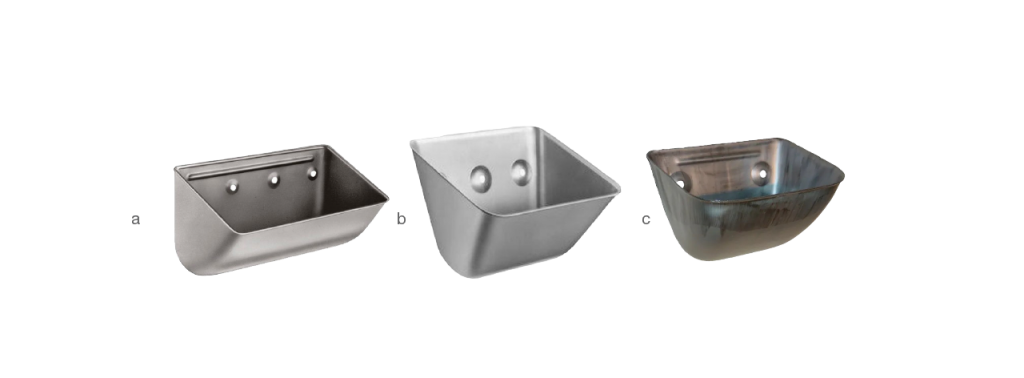
In industries like agriculture, mining, cement, and food processing, material handling plays a crucial role in overall efficiency. One essential component of vertical conveying systems is elevator buckets. Choosing the right elevator buckets may seem like a small decision, but it can significantly impact productivity, maintenance costs, and equipment lifespan.
This guide is designed to help professionals understand how to select the right elevator buckets in a practical and straightforward way—without unnecessary complexity.
What Are Elevator Buckets?
Elevator buckets are containers attached to a belt or chain system used to lift bulk materials vertically. They are commonly used in bucket elevators to transport materials such as grains, powders, aggregates, and chemicals.
These buckets come in different shapes, sizes, and materials depending on the application. Selecting the right type ensures smooth operation, reduced spillage, and better efficiency.
Why Choosing the Right Elevator Buckets Matters
Many businesses overlook the importance of bucket selection, focusing more on the elevator system itself. However, the wrong bucket can lead to:
- Material loss due to spillage
- Increased wear and tear
- Frequent maintenance issues
- Reduced operational efficiency
- Higher energy consumption
On the other hand, the right bucket improves material flow, reduces downtime, and enhances overall performance.
Key Factors to Consider When Selecting Elevator Buckets
1. Type of Material Being Handled
The first and most important factor is the material itself.
Ask yourself:
- Is the material abrasive or soft?
- Is it wet, sticky, or dry?
- What is its size and weight?
For example:
- Fine powders require buckets designed to minimize dust and leakage
- Abrasive materials need durable, wear-resistant buckets
- Sticky materials require designs that prevent buildup
Understanding your material helps narrow down the right bucket type quickly.
2. Bucket Material
Elevator buckets are typically made from:
Plastic Buckets
- Lightweight
- Corrosion-resistant
- Ideal for food-grade or chemical applications
- Less durable for heavy or abrasive materials
Steel Buckets
- Strong and durable
- Suitable for heavy-duty applications
- Can handle high temperatures
- Prone to corrosion if not treated
Stainless Steel Buckets
- Corrosion-resistant
- Ideal for food and pharmaceutical industries
- More expensive but long-lasting
Choosing the right material depends on your working environment and the nature of the material being handled.
3. Bucket Design and Shape
Different bucket designs serve different purposes. Some common types include:
Deep Buckets
- Suitable for free-flowing materials
- Carry larger volumes
- Common in high-capacity systems
Shallow Buckets
- Ideal for slow-moving or sticky materials
- Easier discharge
- Reduce material buildup
V-Buckets
- Designed for abrasive materials
- Offer better wear resistance
- Often used in industrial applications
Selecting the right shape ensures efficient loading and discharge.
4. Bucket Size and Capacity
Choosing the correct size is essential for maintaining optimal performance.
Consider:
- Desired throughput (tons per hour)
- Elevator speed
- Material density
Larger buckets can boost capacity, though they may demand more power. On the other hand, smaller buckets provide finer control but can lower efficiency.
A balanced approach is key—choose a size that matches your system’s design and operational needs.
5. Bucket Spacing
Bucket spacing refers to the distance between buckets on the belt or chain.
- Close spacing increases capacity
- Wider spacing improves discharge efficiency
Incorrect spacing can lead to:
- Material fallback
- Inefficient loading
- Increased wear
Work with system specifications to determine the ideal spacing for your application.
6. Operating Conditions
Your working environment plays a major role in bucket selection.
Important conditions include:
- Temperature
- Humidity
- Exposure to chemicals
- Dust levels
For example:
- High-temperature environments require heat-resistant materials
- Corrosive environments demand stainless steel or coated buckets
Ignoring these factors can lead to premature failure.
7. Mounting and Installation
Ease of installation and maintenance is another important factor.
Check:
- Compatibility with existing elevator systems
- Bolt hole patterns
- Ease of replacement
Buckets that are easy to install and replace reduce downtime and labor costs.
8. Maintenance Requirements
Some buckets require frequent maintenance, while others are designed for long-term use.
Low-maintenance options may cost more initially but save money in the long run. Look for:
- Wear-resistant materials
- Self-cleaning designs
- Strong construction
A good choice reduces both planned and unplanned maintenance.
Common Mistakes to Avoid
Even experienced professionals can make mistakes when selecting elevator buckets. Here are some common ones to watch out for:
Ignoring Material Characteristics
Choosing buckets without analyzing the material can lead to poor performance.
Focusing Only on Cost
Cheaper buckets may save money upfront but lead to higher maintenance and replacement costs.
Overlooking Compatibility
Not all buckets fit every system. Always ensure compatibility with your existing setup.
Incorrect Bucket Size
Oversized or undersized buckets can reduce efficiency and increase energy usage.
Tips for Making the Right Choice
- Always start with a material analysis
- Consult with manufacturers or experts
- Test samples if possible
- Consider long-term performance, not just initial cost
- Keep future scalability in mind
Taking a thoughtful approach ensures better results and fewer operational issues.
Future Trends in Elevator Buckets
The industry is evolving, and new technologies are improving bucket performance. Some emerging trends include:
- Advanced polymers for longer life and reduced weight
- Anti-static and food-grade materials
- Improved designs for energy efficiency
- Smart monitoring systems for predictive maintenance
Staying updated with these trends can help businesses remain competitive and efficient.
Conclusion
Choosing the right elevator buckets is not just a technical decision—it’s a strategic one. The right selection improves efficiency, reduces maintenance, and ensures smooth material handling operations.
By considering factors like material type, bucket design, size, and operating conditions, professionals can make informed decisions that benefit their entire system.
Instead of rushing the process, take the time to evaluate your needs carefully. A well-chosen bucket may seem like a small component, but it plays a big role in the success of your operations.
If you approach the selection process with clarity and attention to detail, you’ll not only improve performance but also extend the life of your equipment—making it a smart investment for the long term.
FAQ
1. What are elevator buckets?
Elevator buckets are containers attached to a conveyor system that are used to lift bulk materials vertically, such as grains, powders, or chemicals.
2. How do I choose the right bucket size?
The right bucket size depends on factors like the material’s weight, the speed of the elevator, and the amount of material you want to move. Make sure the bucket size matches your system’s capacity to avoid inefficiency.
3. What materials are elevator buckets made of?
Elevator buckets are typically made of plastic, steel, or stainless steel. The choice depends on what material you’re handling and the environment (e.g., corrosive conditions or heavy-duty applications).
4. Can elevator buckets handle sticky materials?
Yes, certain bucket designs, like shallow or V-shaped buckets, are specially designed to handle sticky materials, reducing the chances of material buildup and improving discharge.
5. Why is bucket spacing important?
Bucket spacing ensures smooth operation by preventing spillage and reducing wear. If the spacing is too close or too far apart, it could lead to inefficiencies in material handling.
6. How can I make elevator buckets last longer?
To extend the life of your buckets, choose durable materials that are suited to your specific needs. Proper maintenance and alignment are also key factors in ensuring long-term durability.
7. Are there new trends in elevator bucket technology?
Yes, new trends include the use of stronger, more wear-resistant materials, energy-efficient designs, and the integration of smart monitoring systems for predictive maintenance.