
Introduction
In modern industrial systems, even small components like fasteners play a critical role in performance and safety. Euro Elevator Bolts are engineered to handle heavy loads, constant motion, and harsh environments.
With advancements in materials and smart technologies, these bolts are evolving beyond basic fastening solutions into high-performance industrial components.
What Are Euro Elevator Bolts?
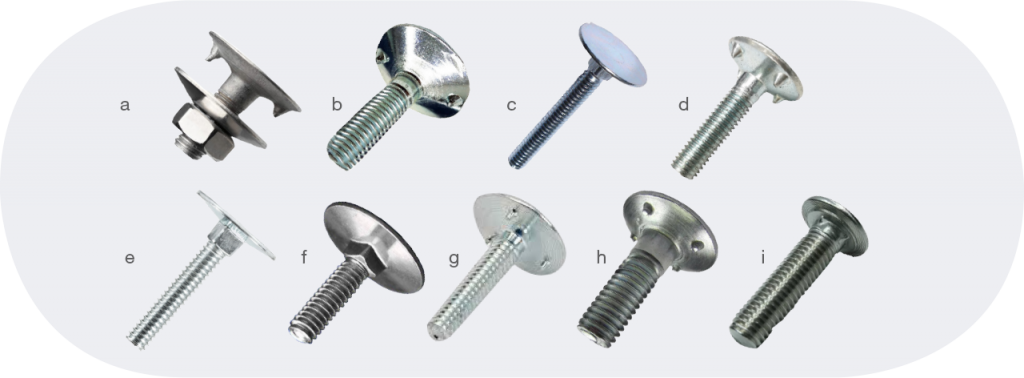
Euro Elevator Bolts are specialized industrial fasteners designed for conveyor belts and bucket elevators, featuring a wide flat head and square neck for secure, non-rotating installation.
They are widely used in industries where strong grip, durability, and safety are essential.
Key Features of Euro Elevator Bolts
1. Wide Flat Head for Load Distribution
The large, flat head spreads pressure evenly across surfaces.
Result: Reduced belt damage and longer service life.
2. Square Neck Design
The square neck locks into the material, preventing the bolt from spinning during tightening.
Result: Faster and more secure installation.
3. High-Strength Materials
Euro Elevator Bolts are commonly made from:
- Carbon steel (cost-effective strength)
- Stainless steel (corrosion resistance)
- Alloy steel (high load capacity)
Typical tensile strength: 400–800 MPa depending on material grade.
4. Corrosion-Resistant Coatings
Modern bolts use advanced coatings such as:
- Zinc plating
- Hot-dip galvanization
- Zinc-aluminum flake coatings
Impact: Up to 2–3× longer lifespan in harsh environments.
Why Euro Elevator Bolts Matter
In Short:
They ensure safety, stability, and efficiency in moving systems.
Without reliable fasteners:
- Conveyor belts may loosen
- Equipment failure risk increases
- Maintenance costs rise significantly
Key Benefits
- Improved safety: Reduces risk of mechanical failure
- Operational efficiency: Minimizes downtime
- Cost savings: Longer replacement cycles
- Durability: Performs under extreme stress
Real-World Application Example
Case Insight
In a grain processing facility, standard bolts required replacement every 6–8 months due to wear and corrosion.
After switching to Euro Elevator Bolts with zinc-aluminum coating:
- Lifespan increased to 18–24 months
- Maintenance costs dropped by 30–40%
- System downtime reduced significantly
Takeaway: Better fasteners directly improve operational efficiency.
Innovations in Euro Elevator Bolt Technology
1. Advanced Material Engineering
New alloy compositions improve strength while reducing weight.
Benefit: Higher load capacity with less structural stress.
2. Smart Fasteners (Emerging Trend)
Modern R&D is introducing bolts with embedded sensors that monitor:
- Load stress
- Vibration
- Temperature
Use Case: Predictive maintenance in automated factories.
3. Precision Manufacturing
Technologies like cold forging ensure:
- Uniform dimensions
- Better thread quality
- Higher reliability
Result: Consistent performance in critical systems.
4. Customization and Application-Specific Design
Manufacturers now offer bolts tailored for:
- Heavy-duty mining operations
- Food-grade environments
- High-moisture agricultural systems
Industry Standards and Compatibility
Euro Elevator Bolts are often manufactured according to international standards such as:
- DIN standards (Germany)
- ISO standards (global)
- ASTM specifications (USA)
Why this matters:
- Ensures global compatibility
- Guarantees quality and performance
- Simplifies procurement across industries
Applications Across Industries
1. Conveyor Systems
Used to secure belts in manufacturing and logistics.
2. Agriculture
Essential in grain elevators and farming machinery.
3. Mining Industry
Handles extreme loads and abrasive materials.
4. Construction
Used in heavy-duty material handling systems.
Challenges in Elevator Fastener Technology
Despite improvements, some challenges remain:
- Continuous exposure to moisture and chemicals
- High mechanical stress in heavy industries
- Need for periodic inspection
However: Advanced coatings and smart monitoring are rapidly solving these issues.
Future Trends in Euro Elevator Bolts
1. Smart Monitoring Systems
Integration with IoT will allow real-time performance tracking.
2. Sustainable Materials
Eco-friendly coatings and recyclable metals are gaining importance.
3. Automation Compatibility
Bolts will be optimized for robotic installation systems.
4. Lightweight High-Strength Designs
Future fasteners will deliver maximum strength with minimal weight.
Conclusion
Euro Elevator Bolts are more than just fastening components—they are critical to the efficiency and safety of modern industrial systems. With innovations in materials, coatings, and smart technologies, these bolts are becoming smarter, stronger, and more reliable.
As industries continue to evolve toward automation and sustainability, Euro Elevator Bolts will play a key role in shaping the future of fastener technology.
Frequently Asked Questions
What are Euro Elevator Bolts used for?
They are used in conveyor systems and bucket elevators to securely fasten belts and components.
What makes Euro Elevator Bolts different from regular bolts?
Their wide flat head and square neck design provide better load distribution and prevent rotation.
Are Euro Elevator Bolts corrosion-resistant?
Yes, they use coatings like galvanization and zinc plating for enhanced durability.
Which industries use Euro Elevator Bolts?
They are widely used in agriculture, mining, manufacturing, and construction.
What is the future of elevator fasteners?
The future includes smart fasteners, sustainable materials, and automation-friendly designs.