
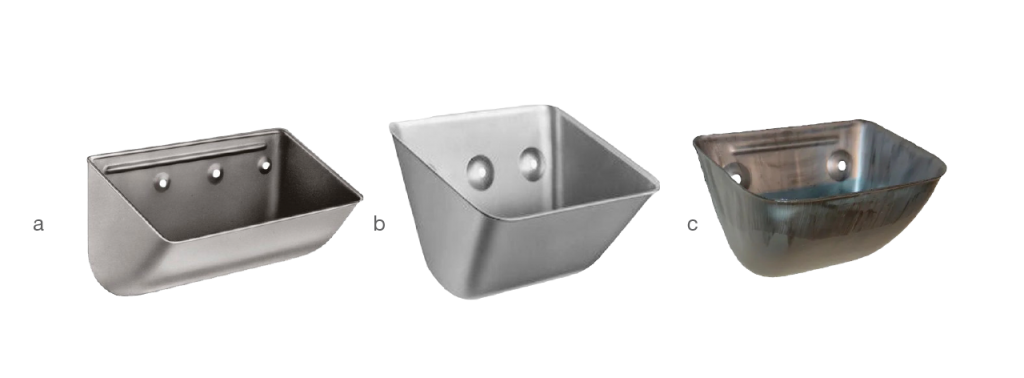
In bulk material handling, efficiency and reliability are everything. Whether you’re dealing with grain, cement, chemicals, or minerals, the right conveying system can make a measurable difference in productivity and operational costs. Among the most widely used solutions in vertical material transport are elevator buckets—simple in concept, yet critical in performance.
This guide breaks down elevator buckets from a practical, industry-focused perspective. It’s designed to help engineers, plant managers, and procurement teams make informed decisions based on real operational needs.
What Are Elevator Buckets?
Elevator buckets are specialized containers attached to a belt or chain in a bucket elevator system. Their primary function is to scoop bulk material from a lower level and discharge it at a higher point efficiently and consistently.
They are widely utilized across various industries, including:
- Agriculture (grain, seeds, feed)
- Cement and construction
- Mining and minerals
- Food processing
- Fertilizers and chemicals
Despite their straightforward role, the performance of an elevator system often depends heavily on the design and quality of these buckets.
Key Components of a Bucket Elevator System
To understand elevator buckets better, it helps to look at the system they operate in:
- Buckets – Carry the material
- Belt or Chain – Used to move the buckets vertically.
- Head Pulley – Drives the system and facilitates discharge
- Boot Section – Loading point for materials
- Casing – Encloses the system for safety and containment
Each component must work in sync, but the bucket itself is where material interaction happens—making it one of the most critical elements.
Types of Elevator Buckets
Selecting the right bucket type is essential for performance and durability. The main categories include:
1. Deep Buckets
Designed for handling free-flowing materials such as grains or fine powders. These buckets have higher capacity and are spaced further apart on the belt.
Best for: Wheat, rice, sand, fertilizers
2. Shallow Buckets
Used for materials that are more sluggish or tend to stick. Their design allows for easier discharge.
Best for: Wet sand, clay, sticky chemicals
3. V-Buckets
These feature a V-shaped design for improved discharge and reduced material buildup.
Best for: Abrasive or sticky materials
4. Heavy-Duty Buckets
Built for rugged applications with reinforced edges and thicker walls.
Best for: Mining, cement clinker, heavy aggregates
Materials Used in Elevator Buckets
The choice of material affects durability, weight, corrosion resistance, and cost. Common materials include:
Steel Buckets
- High strength and durability
- Suitable for heavy and abrasive materials
- Can corrode if not treated properly
Stainless Steel Buckets
- Corrosion-resistant
- Ideal for food and chemical industries
- More expensive, but offers a longer lifespan in harsh environments.
Plastic Buckets (HDPE, Nylon, Polyurethane)
- Lightweight and corrosion-resistant
- Lower noise levels
- Less suitable for extremely high temperatures or heavy loads
Each material comes with trade-offs, so the right choice depends on your application.
Factors to Consider When Choosing Elevator Buckets
Choosing the wrong bucket can lead to inefficiencies, increased maintenance, and even system failure. Here are key factors to evaluate:
1. Material Characteristics
- Particle size and shape
- Bulk density
- Moisture content
- Abrasiveness
2. Operating Conditions
- Temperature range
- Exposure to chemicals or moisture
- Required throughput capacity
3. Bucket Design
- Capacity and spacing
- Mounting style
- Discharge characteristics
4. Compatibility
Ensure the bucket design matches your existing elevator system, including belt width, speed, and pulley configuration.
Common Challenges and How to Address Them
Even well-designed systems can face issues. Here are some common problems and practical solutions:
Material Spillage
Often caused by incorrect bucket spacing or poor loading conditions.
Solution: Optimize loading point and ensure proper bucket alignment.
Premature Wear
Usually due to abrasive materials or low-quality bucket materials.
Solution: Upgrade to wear-resistant materials or reinforced bucket designs.
Incomplete Discharge
Occurs when materials stick inside the bucket.
Solution: Use shallow or V-shaped buckets and consider anti-stick coatings.
Belt Misalignment
Leads to uneven wear and potential system failure.
Solution: Regular maintenance and proper installation practices.
Maintenance Best Practices
Routine maintenance can significantly extend the life of elevator buckets and improve system performance.
- Regular Inspections: Check for cracks, wear, and deformation
- Tightening Bolts: Loose buckets can damage belts and reduce efficiency
- Cleaning: Prevent buildup that can affect discharge
- Monitoring Performance: Look for changes in throughput or unusual noise
A proactive maintenance approach minimizes downtime and unexpected failures.
Innovations in Elevator Bucket Design
Modern industrial demands have led to several advancements in bucket technology:
Low-Profile Buckets
Designed to reduce system height while maintaining capacity.
High-Efficiency Designs
Improved shapes that enhance filling and discharge, reducing energy consumption.
Anti-Static and Flame-Resistant Materials
Essential for industries handling combustible dust or operating in hazardous environments.
Smart Monitoring Integration
Sensors can now track wear, alignment, and performance in real time.
These innovations are helping industries move toward safer and more efficient operations.
Industry Applications and Use Cases
Agriculture
Efficient grain handling during harvesting and storage operations.
Cement Industry
Transporting clinker, limestone, and other raw materials.
Mining
Handling heavy and abrasive ores under tough conditions.
Food Processing
Maintaining hygiene while transporting sensitive materials like flour and sugar.
Each application requires careful customization of bucket type and material.
Cost vs. Performance: Finding the Right Balance
It’s tempting to choose the lowest-cost option, but that can lead to higher long-term expenses due to maintenance and downtime.
Instead, focus on:
- Lifecycle cost
- Durability under your specific conditions
- Ease of maintenance
- Supplier reliability
A slightly higher upfront investment often pays off in improved efficiency and reduced operational risks.
Final Thoughts
Elevator buckets may seem like a small component in a large industrial setup, but their impact is significant. The right selection improves material handling efficiency, reduces downtime, and enhances overall system reliability.
For industrial professionals, the goal should not just be to move materials—but to do so with precision, consistency, and minimal loss. That starts with understanding the role of elevator buckets and making informed, application-specific choices.
If you’re planning an upgrade or installing a new system, take the time to evaluate your needs thoroughly. The right bucket solution isn’t just a purchase—it’s a long-term investment in operational performance
Frequently Asked Questions (FAQs)
What are elevator buckets used for?
They are used to lift and transport bulk materials vertically in industrial systems.
Which elevator bucket type should I choose?
The choice depends on material flow, moisture, and handling requirements.
What materials are elevator buckets made from?
They are commonly made from steel, stainless steel, and durable plastics.
How can I extend the life of elevator buckets?
Regular maintenance, proper alignment, and using the right material improve lifespan.
Why does material spillage occur in bucket elevators?
It usually happens due to improper loading, spacing, or misalignment.
How often should elevator buckets be replaced?
Replacement depends on wear, operating conditions, and maintenance practices.
Can elevator buckets handle high temperatures?
Only specific materials like steel or heat-resistant designs can handle high temperatures.
What are the latest trends in elevator bucket design?
Modern designs focus on efficiency, safety, and smart monitoring features