
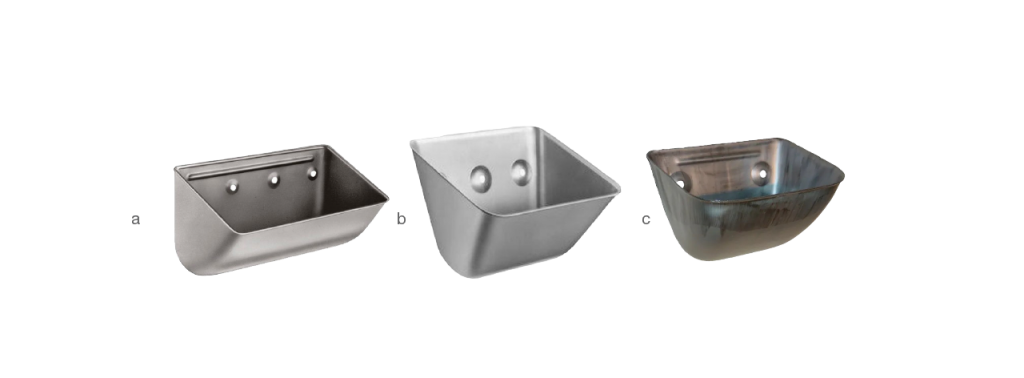
In industries where bulk materials need to be moved efficiently—such as agriculture, cement, mining, and food processing—elevator buckets play a crucial role. These small yet powerful components are part of bucket elevator systems that transport materials vertically with minimal spillage and high efficiency.
Choosing the right elevator bucket brand is not just a purchase decision—it directly affects your system’s performance, maintenance cost, and long-term reliability. With multiple brands available in the market, understanding what sets them apart can help you make a smarter investment.
What is an Elevator Bucket?
An elevator bucket is a container fixed to a belt or chain within a bucket elevator system. It is designed to transport bulk materials—such as grains, coal, sand, fertilizers, or chemicals—vertically from one level to another.
These buckets are designed to:
- Reduce material loss
- Handle different types of materials (fragile or abrasive)
- Improve vertical transport efficiency
Common Materials Used
- Mild Steel (MS): Cost-effective and strong
- Stainless Steel (SS): Corrosion-resistant and hygienic
- Plastic/Polymer: Lightweight and suitable for food-grade materials
Industry Insights & Stats
| Factor | Details |
|---|---|
| Common Industries | Agriculture, Cement, Mining, Food |
| Bucket Materials | Steel, Stainless Steel, Plastic |
| Average Lifespan | 5–15 years |
| Efficiency Level | High compared to conveyors |
| Cost Range (India) | ₹50 – ₹300+ per bucket |
👉 Insight: Proper material selection can improve system efficiency by up to 20–30% and reduce maintenance frequency.
Top Elevator Bucket Brands in the Market
Let’s look at some of the most reliable and widely used elevator bucket brands.
1. Everest Elevator Buckets
Everest is one of the most recognized names in the industry, with decades of manufacturing experience. Their buckets are known for durability and precision design.
Key Features:
- Seamless construction
- High wear resistance
- Suitable for heavy-duty operations
Best For: Cement plants, mining industries
2. Neo Conveyors
Neo Conveyors provides customized bucket elevator solutions tailored to industrial requirements.
Key Features:
- Custom engineering
- Advanced design systems
- High efficiency
Best For: Large industrial plants requiring tailored solutions
3. Enoch’s Industries Pvt. Ltd.
This brand focuses on energy-efficient and high-performance systems.
Key Features:
- Optimized energy usage
- Durable construction
- Long operational life
Best For: Businesses aiming to reduce operational costs
4. Delite Engineering Works
Known for versatility, Delite Engineering offers a wide range of bucket types and sizes.
Key Features:
- MS and SS options
- Strong corrosion resistance
- Affordable pricing
Best For: General industrial applications
5. Indian Chains Manufacturers (ICM)
ICM specializes in customized seamless elevator buckets.
Key Features:
- Custom sizing
- High strength
- Industry-specific solutions
Best For: Sugar, grain, and fertilizer industries
6. R-E industry – Your Trusted Partner
While buckets are important, the components that hold them together are equally critical. Rajat Exports focuses on high-quality elevator bucket bolts and fasteners, ensuring reliability and safety.
Why Choose Rajat Exports?
- Premium-grade materials
- High durability and strength
- Reduced maintenance issues
- Reliable fastening solutions
👉 Insight: Even the best bucket can fail if paired with poor-quality fasteners. That’s why choosing a reliable component supplier is essential.
Brand Comparison Table
| Brand | Strength | Material Options | Ideal Use |
|---|---|---|---|
| Everest | Long experience | Steel, Polymer | Heavy-duty industries |
| Neo Conveyors | Custom solutions | Steel | Large-scale plants |
| Enoch’s | Energy efficiency | Industrial-grade | Cost-saving operations |
| Delite Engineering | Versatility | MS, SS | General use |
| ICM | Custom sizes | Mild Steel | Specialized industries |
| Rajat Exports | Strong components | Steel alloys | Fasteners & support |
How to Choose the Right Elevator Bucket Brand
Selecting the right brand depends on multiple factors. Here’s what you should consider:
1. Material Compatibility
Different materials require different bucket types:
- Abrasive materials → Steel buckets
- Food products → Plastic or SS buckets
2. Load Capacity
Choose buckets that can handle your required volume without overloading the system.
3. Operating Environment
- Wet environments → Corrosion-resistant materials
- High-temperature areas → Heat-resistant designs
4. Maintenance Requirements
Low-maintenance buckets reduce downtime and long-term costs.
5. Quality of Components
Never ignore bolts and fasteners. High-quality components like those from Rajat Exports ensure safety and durability.
Common Mistakes to Avoid
Many businesses make costly mistakes while selecting elevator buckets. Avoid these:
- Choosing the cheapest option without checking quality
- Ignoring compatibility with existing systems
- Not considering material type
- Overlooking fastening components
- Skipping customization when needed
👉 Tip: A slightly higher upfront investment can save significant repair and replacement costs later.
Benefits of Choosing the Right Brand
When you select the right elevator bucket brand, you gain:
- ✅ Higher efficiency
- ✅ Reduced downtime
- ✅ Longer equipment life
- ✅ Better material handling
- ✅ Lower maintenance costs
Final Thoughts
Elevator buckets may seem like small components, but they have a big impact on your entire material handling system. The right brand ensures smooth operations, while the wrong choice can lead to frequent breakdowns and losses.
To get the best results:
- Choose a reliable bucket manufacturer
- Pair it with high-quality components
- Focus on durability over cost
👉 Combining trusted brands with strong fasteners from Rajat Exports can significantly improve your system’s performance and reliability.
FAQ
1. What is the best material for elevator buckets?
Steel is best for heavy-duty applications, while plastic and stainless steel are ideal for lightweight and food-grade materials.
2. How long do elevator buckets last?
They typically last between 5 to 15 years, depending on usage and material quality.
3. Which industries use elevator buckets?
Industries like agriculture, cement, mining, food processing, and chemicals rely heavily on bucket elevators.
4. Why are elevator bucket bolts important?
They secure the buckets to the belt or chain. Poor-quality bolts can cause system failure and safety risks.
5. How do I choose the right brand?
Focus on durability, material quality, customization options, and compatibility with your system.