
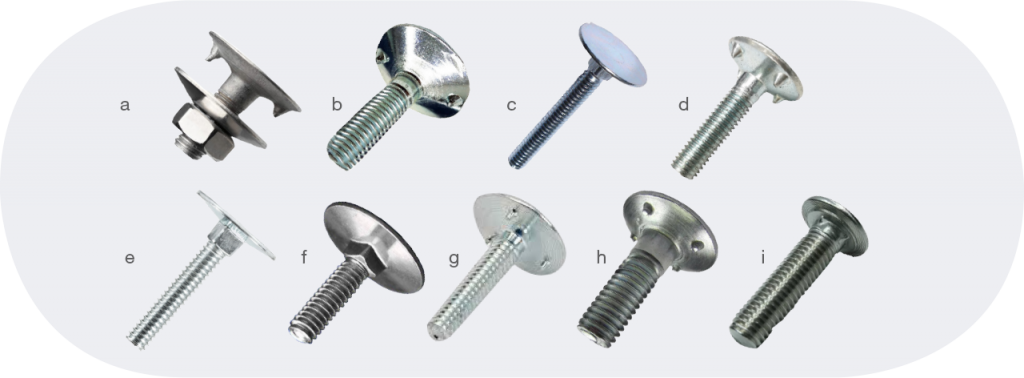
DIN 15237 plays an important role in modern material handling systems, especially in industries where bulk materials need to be transported safely and efficiently. From agriculture to cement and mining, bucket elevators are widely used, and having a standard like DIN 15237 ensures that every component works smoothly together.
In this guide, you will learn everything about in a simple and clear way. We will explore what the standard covers, why it is important, how it improves efficiency, and how to choose the right bucket for your application. Whether you are a beginner or someone with technical knowledge, this blog will help you understand DIN 15237 in a practical and easy-to-follow manner.
What is DIN 15237?
DIN 15237 is a German industrial standard that focuses on the design, dimensions, and technical specifications of bucket elevators, particularly the buckets used in vertical conveying systems. These systems are widely used in industries like agriculture, cement, mining, and food processing to transport bulk materials such as grains, powders, and aggregates.
The standard ensures uniformity, safety, and efficiency by defining how elevator buckets should be manufactured and used. By following, manufacturers and engineers can maintain compatibility across equipment and reduce operational risks.
Why is DIN 15237 Important?
It plays a crucial role in industrial operations because it establishes a common framework for designing and using elevator buckets. Without such standards, equipment from different manufacturers might not fit or function together properly.
Here’s why it matters:
- Consistency: Ensures all components follow the same measurements and design rules
- Safety: Reduces the risk of mechanical failure
- Efficiency: Improves material handling performance
- Interoperability: Allows parts from different suppliers to work together
In industries where bulk material handling is critical, even small inconsistencies can lead to major losses. DIN 15237 helps avoid such issues.
What Are Bucket Elevators and How Do They Work?
Bucket elevators are machines used to move materials vertically. They consist of a series of buckets attached to a belt or chain that rotates around pulleys.
Here’s how they function:
- Buckets scoop material from the bottom
- The belt or chain lifts the buckets upward
- At the top, the material is discharged
- Empty buckets return to the bottom for reuse
It specifically standardizes the buckets used in this system, ensuring proper size, spacing, and shape.
What Specifications Are Covered Under DIN 15237?
It provides detailed guidelines for bucket design and usage. These specifications include:
1. Bucket Dimensions
The standard defines width, height, depth, and volume of buckets. This ensures consistent capacity and performance.
2. Mounting Hole Patterns
It specifies the number and placement of holes used to attach buckets to belts or chains.
3. Material Types
Different materials like steel, plastic, or stainless steel may be used depending on application needs.
4. Capacity Ratings
The standard outlines how much material each bucket can carry.
5. Shape and Design
Bucket shapes vary depending on the type of material being handled—fine powders or large lumps.
How Does DIN 15237 Improve Industrial Efficiency?
Efficiency is key in industries that handle bulk materials. DIN 15237 contributes to improved efficiency in several ways:
- Optimized Material Flow: Standardized bucket sizes ensure smooth transport
- Reduced Downtime: Compatible parts make maintenance easier
- Better Load Distribution: Proper design prevents overloading
- Energy Savings: Efficient movement reduces power consumption
By following this standard, companies can streamline their operations and reduce costs.
What Industries Use DIN 15237 Standards?
It is widely used across multiple sectors where bulk material handling is essential. These include:
- Agriculture: Transporting grains and seeds
- Cement Industry: Moving raw materials and clinker
- Mining: Handling ores and minerals
- Food Processing: Conveying sugar, flour, and other ingredients
- Chemical Industry: Transporting powders and granules
Each industry benefits from the reliability and consistency provided by the standard.
What Are the Different Types of Elevator Buckets?
DIN 15237 categorizes buckets based on their design and application. Some common types include:
Deep Buckets
Used for handling fine and free-flowing materials like grains or sand.
Shallow Buckets
Suitable for light and slow-moving materials.
Heavy-Duty Buckets
Designed for abrasive or heavy materials like stones or minerals.
Plastic Buckets
Often used in food processing due to their corrosion resistance.
Each type is designed to meet specific operational needs while adhering to standard dimensions.
How to Choose the Right Bucket as per DIN 15237?
Selecting the right bucket is essential for optimal performance. Here are some factors to consider:
- Material Type: Fine powders vs. large lumps
- Operating Conditions: Temperature, moisture, and abrasiveness
- Capacity Requirements: Volume of material to be transported
- Speed of Operation: High-speed systems require specific designs
Following this ensures that the chosen bucket will fit and function correctly within the system.
What Are the Benefits of Following DIN 15237?
Adhering to DIN 15237 offers several advantages:
- Standardization: Uniform design across systems
- Improved Safety: Reduced mechanical failures
- Cost Savings: Lower maintenance and replacement costs
- Global Compatibility: Easier sourcing of parts
These benefits make it a preferred standard for many industries worldwide.
Are There Any Limitations of DIN 15237?
While DIN 15237 is highly useful, it may not cover every specific requirement. Some limitations include:
- Customization Needs: Unique applications may require non-standard designs
- Regional Variations: Other countries may follow different standards
- Technological Advancements: New materials or designs may not be fully covered
However, it still provides a strong foundation for most industrial applications.
How Does DIN 15237 Compare to Other Standards?
There are other standards for material handling equipment, but DIN 15237 stands out for its detailed focus on bucket elevators.
Compared to general standards:
- It offers specific guidelines for bucket design
- It ensures high precision in dimensions
- It is widely recognized in European industries
Companies often combine it with other standards for a complete system design.
What Are Best Practices for Implementing DIN 15237?
To get the most out of DIN 15237, follow these best practices:
- Use Certified Components: Ensure parts meet standard requirements
- Regular Maintenance: Check for wear and tear
- Proper Installation: Align buckets correctly
- Training Staff: Educate operators about standard guidelines
These steps help maintain system efficiency and longevity.
Conclusion
DIN 15237 is a vital standard in the field of material handling. It ensures that bucket elevators operate efficiently, safely, and consistently across different industries. By defining clear specifications for bucket design and usage, it simplifies manufacturing, installation, and maintenance processes.
Whether you are an engineer, manufacturer, or industry professional, understanding DIN 15237 can help you make better decisions and improve operational performance. Following this standard not only enhances productivity but also ensures long-term reliability in bulk material handling systems
FAQs
1. What does DIN stand for in DIN 15237?
DIN refers to the German national standards organization, formally known as the Deutsches Institut für Normung.
2. Is DIN 15237 mandatory?
It is not legally mandatory but widely adopted as an industry standard for quality and compatibility.
3. Can DIN 15237 be used globally?
Yes, many international companies follow it for consistency and reliability.
4. What materials are used for DIN 15237 buckets?
Common materials include steel, stainless steel, and plastic, depending on the application.
5. How does DIN 15237 ensure safety?
By standardizing dimensions and load capacities, it reduces the risk of equipment failure.
6. Are DIN 15237 buckets interchangeable?
Yes, if they follow the same specifications, they can be used across compatible systems.
7. Does DIN 15237 apply to all bucket elevators?
It mainly applies to specific types of bucket elevators, especially in industrial settings.