
Introduction
Fasteners play a crucial role in industrial applications, ensuring structural integrity and operational efficiency. Among the many fastening standards available, DIN 15237 bolts are specifically designed for use in bucket elevator systems and conveyor equipment. These bolts are engineered to withstand demanding conditions such as continuous motion, vibration, and heavy loads.
This guide provides a detailed overview of DIN 15237, covering its key features, dimensions, materials, and applications. Whether you are an engineer, procurement specialist, or industry professional, this article answers the most important questions related to DIN 15237 bolts.
What is DIN 15237?
DIN 15237 refers to a German standard that specifies the design and requirements for elevator bolts used primarily in bulk material handling systems. These bolts are commonly used to fasten buckets to conveyor belts in industries like agriculture, mining, and cement processing.
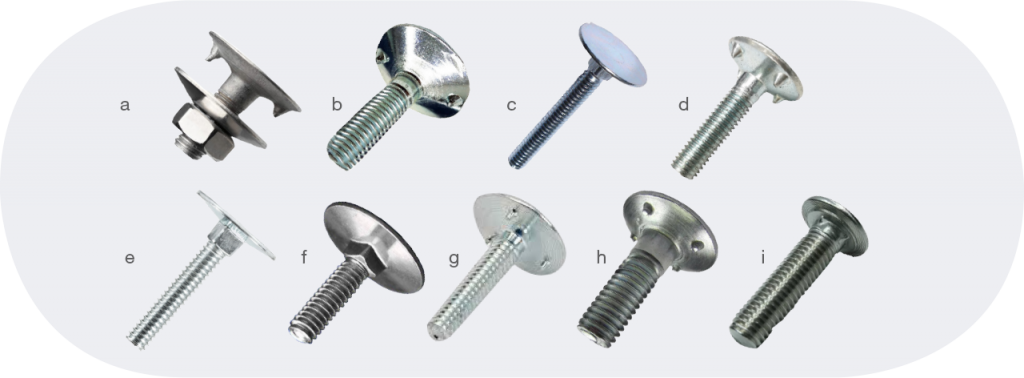
Unlike conventional bolts, these bolts are designed with a flat, wide head that ensures a secure grip while minimizing damage to conveyor belts.
Key Features of DIN 15237 Bolts
1. Flat and Wide Head Design
One of the defining characteristics of DIN 15237 bolts is their large, flat head. This design helps distribute pressure evenly across the belt surface, reducing wear and preventing tearing.
2. Square Neck for Anti-Rotation
These bolts typically feature a square neck beneath the head. This prevents the bolt from rotating during installation, making assembly easier and more efficient.
3. High Strength and Durability
These bolts are manufactured to withstand high mechanical stress, making them suitable for heavy-duty applications.
4. Corrosion Resistance Options
Depending on the material used, these bolts can offer excellent resistance to corrosion, which is essential in harsh environments such as mining or food processing.
5. Compatibility with Elevator Systems
The design of DIN 15237 bolts ensures seamless compatibility with bucket elevators and conveyor systems, improving operational reliability.
Standard Dimensions of DIN 15237 Bolts
The dimensions of bolts are standardized to ensure consistency and interchangeability. While exact specifications may vary slightly depending on manufacturers, the following parameters are typically defined:
- Thread Diameter (M size): Usually ranges from M6 to M12
- Bolt Length: Available in multiple lengths to suit different belt thicknesses
- Head Diameter: Larger than standard bolts for better load distribution
- Square Neck Dimensions: Designed to fit securely into the belt or bucket slot
These standardized dimensions make DIN 15237 bolts easy to integrate into existing systems without the need for customization.
Materials Used in DIN 15237 Bolts
The performance of DIN 15237 bolts largely depends on the material used. Here are the most common options:
1. Carbon Steel
Carbon steel is widely used due to its strength and cost-effectiveness. It is suitable for general industrial applications where corrosion is not a major concern.
2. Stainless Steel
Stainless steel variants of these bolts are ideal for environments exposed to moisture, chemicals, or extreme temperatures. They are commonly used in food processing and marine industries.
3. Alloy Steel
For high-stress applications, alloy steel provides enhanced strength and durability. These bolts are often heat-treated for improved performance.
4. Coated Finishes
To improve corrosion resistance, bolts may be coated with:
- Zinc plating
- Hot-dip galvanization
- Black oxide finish
These coatings extend the lifespan of the bolts and reduce maintenance requirements.
Applications of DIN 15237 Bolts
1. Bucket Elevators
The primary application of this bolts is in bucket elevators, where they secure buckets to conveyor belts.
2. Agricultural Equipment
These bolts are widely used in grain handling systems, ensuring efficient material transport.
3. Mining Industry
In mining operations, bolts are used in conveyor systems that handle heavy and abrasive materials.
4. Cement and Construction
They play a critical role in transporting raw materials like sand, gravel, and cement.
5. Food Processing
Stainless steel DIN 15237 bolts are used in hygienic environments where corrosion resistance and cleanliness are essential.
Advantages of Using DIN 15237 Bolts
- Enhanced Load Distribution: Prevents belt damage
- Ease of Installation: Square neck design reduces effort
- Versatility: Suitable for multiple industries
- Durability: Long service life under harsh conditions
- Standardization: Ensures compatibility and easy replacement
How to Choose the Right DIN 15237 Bolt
When selecting a bolt, consider the following factors:
1. Application Requirements
Determine the load, environment, and operating conditions.
2. Material Selection
Choose the material based on corrosion exposure and strength requirements.
3. Size and Dimensions
Ensure the bolt size matches the belt thickness and bucket design.
4. Coating and Finish
Select appropriate coatings for added protection.
5. Compliance with Standards
Verify that the bolts meet specifications for quality and reliability.
Installation Tips for DIN 15237 Bolts
- Ensure proper alignment of the bolt with the bucket and belt
- Use compatible nuts and washers
- Tighten bolts to the recommended torque
- Avoid over-tightening to prevent belt damage
- Inspect regularly for wear and tear
Proper installation enhances the performance and lifespan of bolts.
Conclusion
DIN 15237 bolts are an essential component in material handling systems, offering reliability, durability, and efficiency. Their specialized design ensures secure fastening while protecting conveyor belts from damage. With various material and coating options available, these bolts can be tailored to suit a wide range of industrial applications.
Understanding the features, dimensions, and materials of bolts helps in selecting the right fastener for your needs. By following proper installation and maintenance practices, you can maximize their performance and extend the lifespan of your equipment
Common Questions About DIN 15237
What makes DIN 15237 bolts different from standard bolts?
The unique head design and square neck make DIN 15237 bolts ideal for conveyor and elevator systems.
Are DIN 15237 bolts suitable for outdoor use?
Yes, especially when made from stainless steel or coated with corrosion-resistant finishes.
Can DIN 15237 bolts be reused?
While possible, it is generally recommended to replace them during maintenance to ensure safety and performance.