
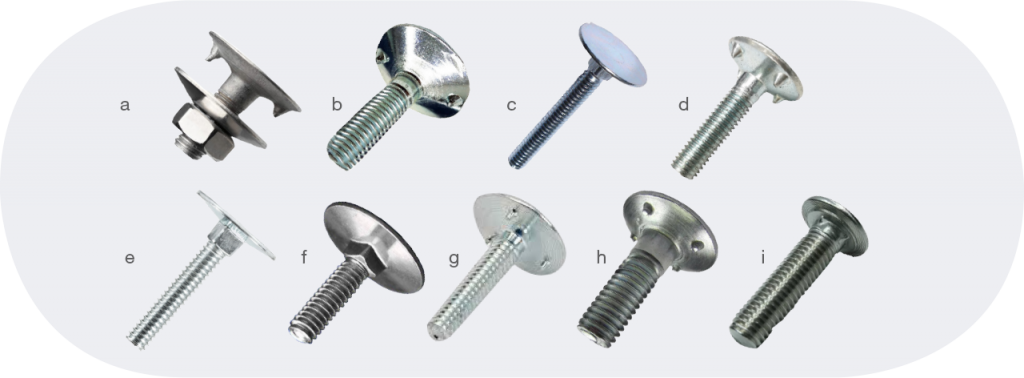
In industries where precision, durability, and safety are non-negotiable, even the smallest components play a critical role. One such often-overlooked fastener is the Euro Elevator Bolt. Widely used in material handling systems such as bucket elevators, conveyor belts, and grain processing equipment, this specialized bolt is engineered to meet strict performance and safety standards.
This guide offers a structured, in-depth overview of Euro Elevator Bolt standards and specifications, helping engineers, procurement managers, and maintenance teams make informed decisions without falling into common pitfalls.
What Is a Euro Elevator Bolt?
A Euro Elevator Bolt is a type of fastening component specifically designed for securing elevator buckets to belts in vertical conveying systems. Its defining feature is a low-profile, wide, and flat head, which minimizes interference and reduces wear on belts and pulleys.
Unlike conventional bolts, Euro Elevator Bolts are optimized for:
- High vibration environments
- Continuous load-bearing operations
- Abrasion resistance
- Secure grip without damaging materials
Why Standards Matter
When it comes to industrial fasteners, adhering to recognized standards ensures:
- Safety compliance in high-risk environments
- Interchangeability across systems and manufacturers
- Reliable performance under stress and load
- Longevity of both the bolt and the equipment
Ignoring standards can lead to premature failure, costly downtime, or even safety hazards.
Key Standards for Euro Elevator Bolts
While Euro Elevator Bolts are not always governed by a single universal standard, they typically align with broader European and international fastener specifications.
1. DIN Standards (German Institute for Standardization)
Many Euro-style elevator bolts follow DIN-based dimensions and tolerances, ensuring consistency in:
- Thread pitch
- Head diameter
- Shaft length
- Material grades
DIN standards are widely accepted across Europe and often serve as a benchmark globally.
2. ISO Standards (International Organization for Standardization)
ISO standards influence:
- Mechanical properties
- Material strength classifications
- Testing procedures
For example, ISO guidelines ensure that bolts meet minimum tensile strength and hardness requirements.
3. EN Standards (European Norms)
EN standards focus on:
- Corrosion resistance
- Environmental performance
- Load-bearing capabilities
These are especially relevant in industries like agriculture, mining, and food processing where environmental exposure is significant.
Core Specifications of Euro Elevator Bolts
Understanding the technical specifications is essential when selecting the right bolt for your application.
Head Design
- Flat, countersunk head
- Large surface area for better load distribution
- Prevents damage to belts and materials
Thread Type
- Metric threading is standard
- Offered in both coarse and fine grades, depending on the intended application.
Shank Configuration
- Fully threaded or partially threaded
- Some designs include square necks to prevent rotation during installation
Material Options
Euro Elevator Bolts are manufactured in various materials to suit different environments:
- Carbon Steel – Cost-effective, suitable for general use
- Stainless Steel (A2, A4) – مقاistant to corrosion and chemicals
- Alloy Steel – Enhanced strength for heavy-duty applications
Surface Coatings and Finishes
Surface treatment plays a crucial role in performance and durability.
Common finishes include:
- Zinc Plating – Provides basic corrosion resistance
- Hot-Dip Galvanization – Ideal for outdoor or humid environments
- Black Oxide – Offers mild corrosion resistance with a clean finish
Choosing the right coating depends on exposure to moisture, chemicals, and temperature variations.
Mechanical Properties to Consider
When evaluating Euro Elevator Bolt options, pay attention to these key mechanical factors:
Tensile Strength
Indicates how much load the bolt can withstand before breaking. Higher grades are required for heavy-duty systems.
Shear Strength
Important in applications where lateral forces are present, such as conveyor systems.
Hardness
Affects wear resistance and durability under repeated use.
Common Applications
Euro Elevator Bolts are widely used across industries due to their specialized design.
1. Agriculture
- Grain elevators
- Feed mills
- Storage systems
2. Mining and Cement
- Heavy material transport
- Dust-intensive environments
3. Food Processing
- Hygienic conveyor systems
- Corrosion-resistant setups
4. Manufacturing
- Assembly lines
- Bulk material handling
Installation Best Practices
Even the best bolt can fail if installed incorrectly. Follow these guidelines:
- Use compatible nuts and washers to ensure secure fastening
- Apply correct torque to avoid over-tightening or loosening
- Check alignment to prevent uneven load distribution
- Inspect regularly for wear, corrosion, or loosening
Proper installation extends the life of both the bolt and the equipment.
Common Mistakes to Avoid
Many existing resources fail to address practical challenges users face. Here are gaps often overlooked:
Overlooking Environmental Conditions
Selecting a standard carbon steel bolt in a high-moisture environment can lead to rapid corrosion.
Ignoring Load Requirements
Not all elevator systems are equal. Underestimating load capacity can result in bolt failure.
Using Generic Fasteners
Substituting Euro Elevator Bolts with standard bolts compromises safety and performance.
Lack of Maintenance Planning
Routine inspection is often neglected, leading to unexpected breakdowns.
How to Choose the Right Euro Elevator Bolt
To make the right selection, consider:
- Application type (light-duty vs heavy-duty)
- Environmental exposure (moisture, chemicals, temperature)
- Load requirements
- Material compatibility
- Compliance with DIN/ISO/EN standards
Working with a reliable supplier can also ensure consistent quality and certification.
Future Trends in Elevator Bolt Design
The industry is evolving with advancements aimed at improving efficiency and sustainability:
- Advanced coatings for longer corrosion resistance
- High-strength lightweight alloys
- Precision manufacturing techniques
- Smart monitoring systems for predictive maintenance
These innovations are helping reduce downtime and improve overall system reliability.
Final Thoughts
The Euro Elevator Bolt may seem like a small component, but its role in industrial systems is significant. Understanding its standards and specifications is essential for ensuring safety, efficiency, and longevity.
By focusing on material selection, compliance with recognized standards, and proper installation practices, businesses can avoid costly failures and optimize performance. Whether you’re upgrading an existing system or designing a new one, investing in the right Euro Elevator Bolt is a decision that pays off in the long run.
FAQ
1. What is a Euro Elevator Bolt used for?
A Euro Elevator Bolt is used to securely fasten buckets to conveyor belts in vertical material handling systems like grain elevators and industrial conveyors.
2. What materials are Euro Elevator Bolts made from?
They are commonly made from carbon steel, stainless steel, and alloy steel depending on strength and corrosion resistance needs.
3. Are Euro Elevator Bolts corrosion-resistant?
Yes, especially when coated with zinc plating or hot-dip galvanization, or when made from stainless steel.
4. What standards apply to Euro Elevator Bolts?
They generally follow DIN, ISO, and EN standards for dimensions, strength, and performance.
5. How do I choose the right Euro Elevator Bolt?
Consider load capacity, environmental conditions, material type, and compliance with standards when selecting the right bolt.
6. Can I use regular bolts instead of Euro Elevator Bolts?
No, regular bolts lack the specialized head design and strength needed for elevator systems, which can lead to failure.
7. What industries use Euro Elevator Bolts?
They are widely used in agriculture, mining, cement, food processing, and manufacturing industries.
8. How often should Euro Elevator Bolts be inspected?
Regular inspections should be conducted as part of maintenance schedules to detect wear, corrosion, or loosening.